AVA Travel's logo
English
日本語
English
中文繁體
Top PageList of SpotsTohokuYamagataYonezawaHosenji
TOP
1/3
Show All Image

Hosenji

山形県
3.7
Tourist Information of This Area
general.prefecture.
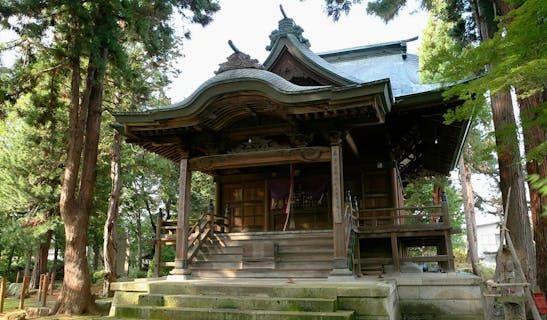
A Rinzai Zen Buddhist temple established by Naoe Kanetsugu.
Hosenji was built by Naotake Okochi, who was the ruler of the Uesugi family, in 1618. It was once a school called "Zenrin Bunko". The tomb of the wife of Kira Kozuke-no-suke Yoshio also exists in Hosenji. White hair, said to be the hair of Kozuke-no-suke, has been found at the tomb, making it a rising hidden historical site of the 47 Ronin.

Features & How to Enjoy

Classic History

Highlights

Point 1

A Temple with a Collection of Books Collected by Kanetsugu!

Hosenji A Temple with a Collection of Books Collected by Kanetsugu!
Hosenji Temple has a history of being founded by Kanetsugu as a school of learning called "Zenrin Bunko." Kanetsugu invited Kyuzan, a Zen master he had studied under at the Ashikaga School, and established Zenrin Bunko in Hosenji Temple to educate the children of the Yonezawa clan. This school became the foundation of the clan's educational system and was later succeeded by Koshokan, which was founded by Uesugi Takayama. Kanetsugu collected books for Zenrin Bunko, and these books remain as valuable cultural assets to this day. The temple's collection includes books and ancient documents from ancient to modern times, as well as historical materials, making it an important resource for learning about the culture and history of the Yonezawa clan. Hosenji Temple is a place where Kanetsugu's educational philosophy and the Yonezawa clan's academic culture are conveyed, making it an attraction for history enthusiasts and academic researchers alike. When visiting, you can appreciate these valuable cultural assets and experience the world of knowledge and education at that time!
Point 2

A Garden with Mossy Ground and Lush Trees as its Features!

Hosenji A Garden with Mossy Ground and Lush Trees as its Features!
The garden at Hosenji Temple is said to have been modeled after the famous Tenryuji Temple garden in Kyoto by Zen priest Kyuzan. It is one of the three famous gardens in the city of Yonezawa and is known for its beauty. The garden's features include mossy ground and lush trees, creating a mysterious atmosphere. Stepping inside, you can feel the silence and harmony with nature that makes you forget the hustle and bustle of the city. Through the beauty and calmness of the scenery, your heart will become peaceful and you will be freed from the noise of everyday life. Hosenji Temple's garden is a special place that makes visitors forget the hustle and bustle of the city and feel the beauty and tranquility of nature with its mysterious scenery.
Point 3

Visit Uesugi Shrine, Dedicated to the Strongest Warlord of the Warring States Period, Uesugi Kenshin!

Hosenji Visit Uesugi Shrine, Dedicated to the Strongest Warlord of the Warring States Period, Uesugi Kenshin!
Located near Hosenji Temple, Uesugi Shrine is dedicated to Uesugi Kenshin, known as the strongest warlord of the Warring States period. The shrine was built on the site of the main castle of Yonezawa, and is considered a power spot with blessings for good luck, wish fulfillment, academic and business prosperity, and more, in honor of Kenshin. The approach to the shrine features the Maizuru Bridge, with the characters "Bi" and "Ryu" written on its military flag. "Bi" is derived from Kenshin's strong faith in Bishamonten, and is a symbol of wishing for victory in battle and the safety of family. "Ryu" represents Fudo Myoo, and was a flag used as a signal for the entire army to launch a full-scale attack. Kenshin was said to have fought with the strongest gods of Bishamonten and Fudo Myoo on his side, as he had a deep faith in Buddhism. Uesugi Shrine has become a place where many people come to honor his martial prowess and faith. It is a spot where you can feel the depth of Kenshin's achievements and faith, and is also popular as a power spot for praying for the fulfillment of wishes. If you are interested in history and faith, this is a must-see spot!
Point 4

Discover the History and Treasures of the Uesugi Family at Denkoku no Mori

Hosenji Discover the History and Treasures of the Uesugi Family at Denkoku no Mori
Denkoku no Mori (Uesugi Museum) is a museum located near Hosenji Temple in Yonezawa City. It houses valuable items related to the history of the Uesugi family. Of particular note is the national treasure "Uesugi Honbyobu," a folding screen depicting scenes of Kyoto. It is said to have been presented by Oda Nobunaga to Uesugi Kenshin and depicts the daily life of Kyoto. Approximately 2,500 people, animals, plants, famous places, and festivals are depicted, providing a glimpse into the Kyoto of the time. While replicas are usually on display, the original is exhibited for a limited time in the spring and autumn during special exhibitions. Denkoku no Mori is a place where you can deepen your understanding of Uesugi Kenshin, the culture, and history of Yonezawa through items related to the Uesugi family and historical materials. In addition to the exhibits, you can also enjoy the beautiful gardens and surrounding scenery. Denkoku no Mori is an attractive spot for history and culture enthusiasts and those interested in the footsteps of the Uesugi family and the Warring States period. Don't miss the opportunity to see the original during the special exhibition period. When you visit, be sure to enjoy the beautiful natural environment around the Uesugi Museum as well!
Point 5

Enjoy History and Local Cuisine at the Uesugi Memorial Museum!

Hosenji Enjoy History and Local Cuisine at the Uesugi Memorial Museum!
The Uesugi Memorial Museum (formerly the Uesugi Earl's residence) is located near Hosenji Temple, on the site of the second bailey of Yonezawa Castle. It was the residence of the 14th generation of the Uesugi family, Earl Shigenobu, and was built in 1896, but was destroyed in the Yonezawa Great Fire of 1919. It was then rebuilt in 1925 as a building with a total hinoki cypress roof, and became a mansion with a beautiful pure Japanese style. It is also called Tsurunakikan and is designated as a registered tangible cultural property of the country. The current Uesugi Memorial Museum is the only museum open in Yonezawa, where you can taste "katemoto," said to be the origin of Yonezawa's local cuisine. Katemoto is a food that was mixed with plants and other ingredients to increase the amount of food to alleviate hunger caused by famine and crop failure. While enjoying the menu that reproduces the traditional local cuisine, you can also enjoy the view of the garden. The garden is modeled after the Hamarikyu Gardens in Tokyo and has a rich and beautiful landscape. The Uesugi Memorial Museum is a valuable place where you can touch the history and culture of the Uesugi family. It is especially recommended for history lovers and those interested in food culture. When you visit, please enjoy not only the beauty of the building, but also the tranquility of the garden and the flavor of the cuisine!
See more

Sightseeing

Hosenji A Temple Founded by Sengoku Warlord Naoe Kanetsugu
A Temple Founded by Sengoku Warlord Naoe Kanetsugu
Hosenji Temple was founded in 1618 by Naoe Kanetsugu, a Sengoku warlord. Originally, it was called Zenrinji Temple. Kanetsugu invited Kuzan Zenji, whom he had studied under at the Ashikaga School, and established the Zenrin Bunko school within the temple to educate the children of the Yonezawa clan. This library was later taken over by Uesugi Takayama and became known as the Kyojo-kan, serving as the foundation of the clan's scholarship. The books housed in the Zenrin Bunko are still valuable cultural assets today. The garden at Hosenji Temple is said to have been created by Kuzan Zenji, who used the famous Tenryu-ji Temple garden in Kyoto as a reference. It is considered one of the three famous gardens in Yonezawa City. The garden features moss-covered ground and lush trees, and its mysterious scenery makes you forget that you are in the middle of a city. It is a place where you can feel the harmony of silence and nature. Hosenji Temple is known for its historical value and beautiful garden, and is a place worth visiting for those interested in culture and Zen teachings!

Access

Access in about 20 minutes by bus from JR Yonezawa Station!
To access Hosenji Temple in Yonezawa City, Yamagata Prefecture, take the right-hand loop course of the city bus from JR Yonezawa Station and arrive at Hosenji Temple in about 20 minutes. If you are walking, it takes about 30 minutes to walk directly from Yonezawa Station. If you are using a private car, you can arrive at Hosenji Temple in about 10 minutes by car from the Yonezawa Chuo IC on the Tohoku Chuo Expressway.

Basic Information

Address 2-1-4 Jousei, Yonezawa-shi, Yamagata-ken 992-0054
TEL 0238-23-4515
Web Site https://www.yonezawa-kankou-navi.com/historic/housen_temple.html
Better Visit Together

Recommended Spots

上杉謙信を祭神とするパワースポット神社!
上杉神社
山形県
4.2
History
上杉家の歴史や文化を紹介する博物館!
伝国の杜(米沢市上杉博物館)
山形県
4
Rainny dayCulture
庭園と郷土料理を堪能できる記念館!
上杉記念館(旧上杉伯爵邸)
山形県
3.9
GourmetHistory
開湯約1200年の大樽川に広がる温泉!
小野川温泉
山形県
4.3
Onsen

Nearby Hotels

DEN’S HOTEL Yonezawa
山形県
4.1
¥4,600~/person
Hotel Montoview Yonezawa
山形県
3.4
¥5,200~/person
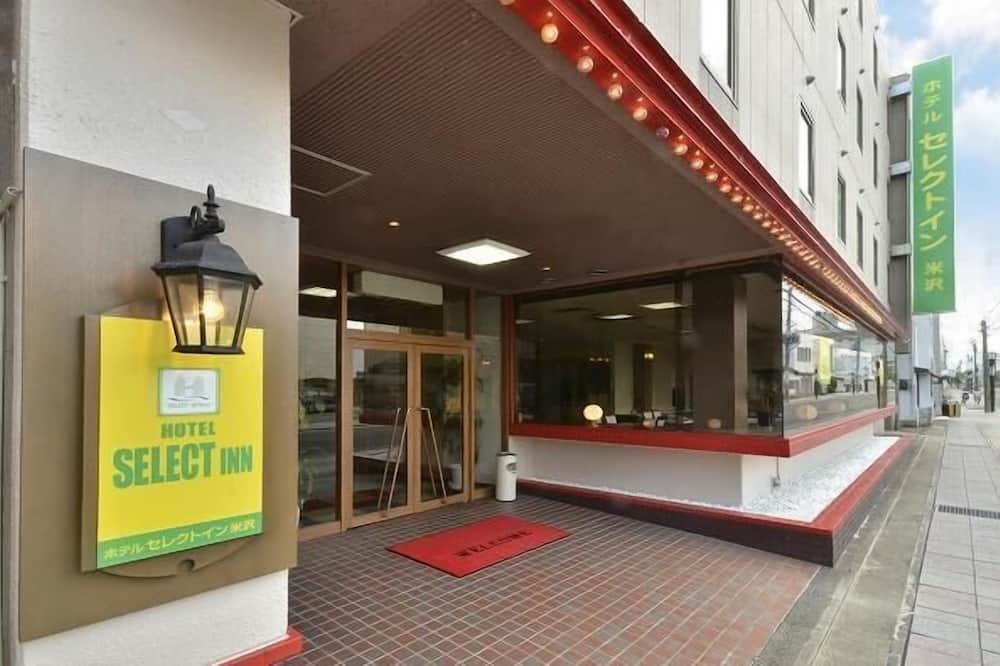
Hotel Select Inn Yonezawa
山形県
3.2
¥2,601~/person
山形県
4
¥6,500~/person
Hotel Tsutaya
山形県
3.4
¥3,850~/person
Business Hotel Heisei
山形県
2.6
¥4,700~/person
See more

Nearby Activities

【とんぼ玉作り・山形】丁寧な指導で初めてでも安心!米沢旅行のついでに一期一会の作品作り!米沢駅より車で10分
山形県
¥2,200~/人
【山形・写経体験】楽しく学べる法話つき。静かな環境で心を磨こう
山形県
¥1,000~/人
【山形・アクセサリー手作り体験】ご利益に期待!お寺で天然石の腕念珠をつくろう
山形県
¥2,000~/人
【山形・パラグライダー・タンデム】インストラクターと一緒に飛ぶから安心!眼下には美しい景色
山形県
¥13,200~/人
【山形・南陽・農業体験】農園見学とカフェでほっと一息!無添加ジェラートとミニドリンク付き
山形県
¥1,000~/人
【山形・南陽・農業体験】果物や紅茶が好きな方必見!優雅にお茶会プラン
山形県
¥3,000~/人
See more

Nearby Restaurants

食べログ
お堀端 さっぽろ
~¥999
~¥999
3.2
(Tabelog's review)
食べログ
上杉城史苑
-
-
3.2
(Tabelog's review)
食べログ
米沢牛・焼肉 さかの
¥1,000~¥1,999
¥4,000~¥4,999
3.6
(Tabelog's review)
食べログ
加津
-
¥4,000~¥4,999
3.3
(Tabelog's review)
食べログ
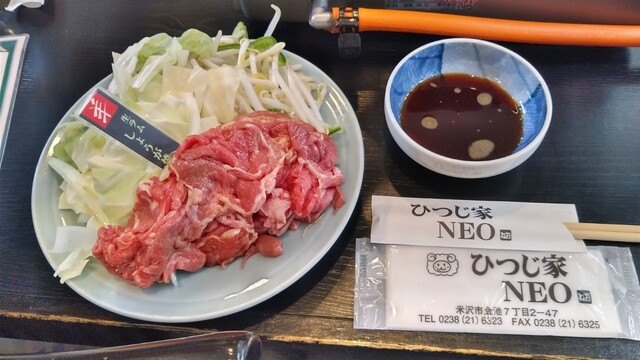
ひつじ家 NEO
¥1,000~¥1,999
¥1,000~¥1,999
3.2
(Tabelog's review)
食べログ
道の駅 米沢
-
-
3.3
(Tabelog's review)
Explore the City
米沢
山形県
4.3
アプリアイコン AIでかんたん!旅行プランが作れる
App Storeでダウンロード Google Playでダウンロード
  • Terms of Use
  • Privacy Policy
  • Company Information
AVA Travel's logo
Login
Sign up
  • Hokkaido
  • Aomori
  • Akita
  • Iwate
  • Miyagi
  • Yamagata
  • Fukushima
  • Tochigi
  • Gunma
  • Ibaraki
  • Saitama
  • Kanagawa
  • Chiba
  • Tokyo
  • Yamanashi
  • Niigata
  • Nagano
  • Shizuoka
  • Aichi
  • Gifu
  • Mie
  • Ishikawa
  • Toyama
  • Fukui
  • Hyogo
  • Wakayama
  • Nara
  • Kyoto
  • Shiga
  • Osaka
  • Okayama
  • Hiroshima
  • Yamaguchi
  • Tottori
  • Shimane
  • Ehime
  • Kagawa
  • Kochi
  • Tokushima
  • Oita
  • Nagasaki
  • Fukuoka
  • Kumamoto
  • Miyazaki
  • Saga
  • Kagoshima
  • Okinawa
  • Sapporo
  • Otaru, Yoichi, & Niseko
  • Hakodate
  • Hirosaki
  • Towada & Okuinse
  • Aomori City Area
  • Tsugaru
  • Morioka
  • Miyagi Zao & Shiroishi
  • Sendai
  • Yamagata, Zao, & Tendo
  • Aizu & Kitakata
  • Utsunomiya
  • Nasu & Shiobara
  • Nikko & Kinugawa
  • Takasaki & Maebashi
  • Shibukawa & Ikaho
  • Kusatsu & Shiga Kogen
  • Oze & Numata
  • Tomioka & Shimonita
  • Kawagoe & Higashimatsuyama
  • Omiya, Urawa, & Kounosu
  • Chichibu & Nagatoro
  • Yokohama
  • Kamakura
  • Motomachi & Chinatown
  • Enoshima & Shonan
  • Hakone
  • Tateyama & Minamiboso
  • Kujukuri
  • Chiba, Urayasu, & Makuhari
  • Kisarazu & Kimitsu
  • Izu Islands & Ogasawara
  • Shibuya, Harajuku, & Omotesando
  • Shinjuku
  • Asakusa & Skytree
  • Lake Kawaguchi & Fujiyoshida
  • Yuzawa, Tsunan, & Tokamachi
  • Nagaoka, Sanjo, & Kashiwazaki
  • Karuizawa
  • Matsumoto, Kamikochi & Shiojiri
  • Nozawa Onsen & Shiga Kogen
  • Izu
  • Gotemba, Fuji & Fujinomiya
  • Atami
  • Nagoya
  • Gero (Gero Onsen)
  • Hida, Takayama, & Shirakawa-go
  • Ise, Shima, and Toba
  • Kanazawa
  • Kobe & Arima (Arima Onsen)
  • Awaji Island
  • Himeji & Ako
  • Nara, Tenri, & Horyuji
  • Uji
  • Gion & Higashiyama
  • Kyoto Station & Kawaramachi
  • Fushimi & Yamashina
  • Arashiyama & Takao
  • Nagahama & Maibara
  • Hikone & Omihachiman
  • Shinsaibashi, Namba, & Tennoji
  • Osaka Bay Area
  • Okayama, Ushimado, & Bizen
  • Kurashiki
  • Himeji
  • Miyajima & Hiroshima City
  • Takehara & Mihara
  • Onomichi
  • Shimonoseki & Sumijima
  • Izumo & Iwami Ginzan
  • Uwajima & Ozu
  • Imabari
  • Matsuyama & Dogo
  • Niihama, Saijo, & Mount Ishizuchi
  • Shimanami
  • Shimanto & Ashizuri
  • Oboke, Ohboke, & Iya Valley
  • Naruto & Tokushima City Area
  • Oita City, Saiki, & Usuki
  • Yufuin
  • Beppu
  • Iki, Tsushima & Goto Islands
  • Itoshima
  • Hakata, Tenjin & Dazaifu
  • Kitakyushu, Moji & Kokura
  • Aso & Kurokawa (Kurokawa Onsen)
  • Kumamoto, Yamaga & Kikuchi
  • Miyazaki, Miyakonojo, & Nichinan
  • Takachiho, Nobeoka, & Hyuga
  • Amami & Yoron
  • Yakushima
  • Ibusuki, Chiran & Makurazaki
  • Kagoshima, Sakurajima & Kirishima
  • Onna Village & Central Okinawa
  • Kumejima & Kerama
  • Miyakojima
  • Iriomote Island, Taketomi Island, & Kohama Island
  • Ishigaki Island
  • Naha & Southern Okinawa
  • Utoro Onsen
  • Tokachigawa Onsen
  • Jozankei Onsen
  • Toyako Onsen
  • Noboribetsu Onsen
  • Yukawa Onsen
  • Sukayu Onsen
  • Nyuto Onsen
  • Higashiyama Onsen
  • Shiobara Onsen
  • Kinugawa Onsen
  • Nikko Onsen
  • Yugawara Onsen
  • Hakoneyumoto Onsen
  • Owakudani Onsen
  • Gero Onsen
  • Nibukawa Onsen
  • Ureshino Onsen
  • Yufuin Onsen
  • Beppu Onsen
  • Kurokawa Onsen
  • Jigoku Onsen
  • Ibusuki Onsen

Copyright (c) AVA Intelligence Inc. All Rights Reserved.