AVA Travel's logo
English
日本語
English
中文繁體
Top PageList of SpotsKoshinetsuNaganoSuwa, Tateshina & YatsugatakeSuwa Taisha
TOP
1/3
Show All Image

Suwa Taisha

長野県
4.4
Tourist Information of This Area
general.prefecture.
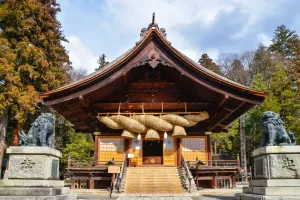
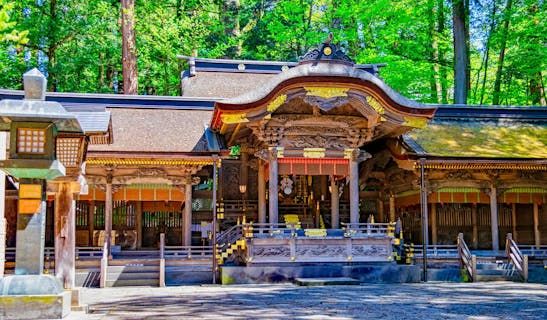
Suwa Grand Shrine, the headquarters of Suwa shrines throughout Japan.
Suwa Taisha is the head shrine of approximately 25,000 Suwa shrines throughout Japan and is one of the oldest shrines in the country. It is currently popular as a power spot, and the "Shiromairi" pilgrimage to the four shrines, which allows you to receive blessings from the gods who protect the source of life and the source of living, is recommended.

Features & How to Enjoy

Classic History

Highlights

Point 1

Deep Traditions and History Passed Down from Ancient Times

Suwa Taisha Deep Traditions and History Passed Down from Ancient Times
Suwa Grand Shrine is a shrine that has been worshipped since ancient times, believed to have been founded between 1500 to 2000 years ago. Throughout its long history, many beliefs and cultures have mixed together, giving birth to unique festivals and rituals. Suwa Grand Shrine has a variety of festivals, such as the Onbashira Festival and Shinko Festival, and attracts many visitors every year. Additionally, there are many historical buildings and cultural assets preserved at Suwa Grand Shrine, which can be visited and explored. One of the attractions of Suwa Grand Shrine is the deep traditions and history passed down from ancient times.
Point 2

The Sacred Atmosphere of Japan's Oldest Shrine

Suwa Taisha The Sacred Atmosphere of Japan's Oldest Shrine
Suwa Taisha is one of Japan's oldest shrines and a symbolic representation of ancient Shinto beliefs. The approach to the shrine and the shrine itself exude a sacred atmosphere and are enveloped in a solemn air. In particular, the beautiful forest along the approach, with its lush trees, creates a mystical atmosphere as if nature and the gods have merged. The shrine's traditional Japanese architecture adds to its beauty and enhances the sacred atmosphere. The sacred atmosphere of Suwa Taisha has received high praise from many believers and tourists, attracting visitors from all over the country.
Point 3

Suwa Taisha's Onbashira Festival, One of Japan's Three Great Festivals

Suwa Taisha's Onbashira Festival, One of Japan's Three Great Festivals
Suwa Taisha holds various festivals and events every year. Among them, the "Onbashira Festival," designated as an Important Intangible Folk Cultural Property of Japan, is the largest event held at Suwa Taisha and is a Shinto ritual festival held every year of the Tiger and Monkey zodiac years. This festival is a general term for the ritual of erecting pillars (onbashira) and the festival itself. Similar festivals are also held at Suwa shrines and related shrines throughout Japan, with the focus on the years when the festival is held at Suwa Taisha. The Onbashira Festival is known for its mystical and powerful atmosphere and is counted as one of Japan's three great festivals. It is recommended to visit during this time.
Point 4

A Sacred Space in Harmony with Nature Surrounding Suwa Taisha Shrine

A Sacred Space in Harmony with Nature Surrounding Suwa Taisha Shrine
The grounds of Suwa Taisha Shrine are home to beautiful natural scenery that changes with the seasons. The trees and flowers of each season create a sacred space in harmony with nature. In particular, the harmony between the shrine and Lake Suwa is breathtaking. Cherry blossoms bloom in the spring, lush green trees bring cool breezes in the summer, autumn leaves color the area in the fall, and snow covers the landscape in the winter. Every time you visit the shrine, you can enjoy the beautiful scenery of each season. The grounds of Suwa Taisha Shrine, in harmony with nature, are loved by many as a place to heal both mind and body.
Point 5

A Mysterious World Woven with Strange Phenomena and Events

Suwa Taisha A Mysterious World Woven with Strange Phenomena and Events
Suwa Grand Shrine is an ancient shrine located in Suwa City, Nagano Prefecture, and is the head shrine of all Suwa Grand Shrines throughout Japan. This shrine is known for the Seven Wonders, which are strange phenomena and events that have been passed down through the ages. The Seven Wonders mainly refer to mysterious phenomena related to the shrine's events and rituals. Some of them have low credibility, while others can be scientifically explained in modern times. In fact, there are actually seven wonders in each of the Upper and Lower Shrines, including overlaps, making a total of 11 wonders. Traveling around Suwa Grand Shrine's Seven Wonders allows you to experience a mystical world view and create unforgettable memories, making it highly recommended.


See more

Access

Access to Suwa Taisha and Directions to Each Shrine
To visit the four shrines of Suwa Taisha, the access methods differ as the two lower shrines and the two upper shrines are separated. Access by car is recommended, and the nearest highway interchanges are Suwa IC on the Chuo Expressway and Okaya IC on the Nagano Expressway. From Suwa IC, it's about 2km to the Upper Shrine and the Upper Front Shrine, and from Okaya IC, it's about 5km to the Lower Autumn Shrine and the Lower Spring Shrine. If you visit Suwa Taisha by train, the nearest stations are JR Chuo Main Line's "Shimosuwa Station," "Kamisuwa Station," and "Chino Station." Access to the nearest station is relatively easy to understand. From Shinjuku Station, take the JR Express "Super Azusa" to Kamisuwa Station (2 hours and 15 minutes) or Shimosuwa Station (2 hours and 25 minutes). From Nagoya Station, take the JR Express "Wide View Shinano" to Shiojiri Station. Then, transfer to the JR Chuo Line to Kamisuwa Station or Chino Station. While access by car is recommended to visit the four shrines of Suwa Taisha, it's relatively easy to access by train as well. Why not visit this sacred place where you can feel the history of Japan?

Basic Information

Address 1 Miyayama, Nakasu, Suwa-shi, Nagano 392-0015
Business Hours

Open 24 hours a day, Monday through Sunday.

TEL 0266-52-1919
Web Site http://suwataisha.or.jp/
Better Visit Together

Recommended Spots

自然が作り出す神秘的な溜め池
御射鹿池
長野県
4
Nature
緑あふれる癒しの滝
蓼科大滝
長野県
4.3
Nature
四季折々の顔を持つ諏訪を代表する湖
諏訪湖
長野県
3.9
Nature
富士山を望む自然豊かな大パノラマ
霧ケ峰高原
長野県
4.1
Nature
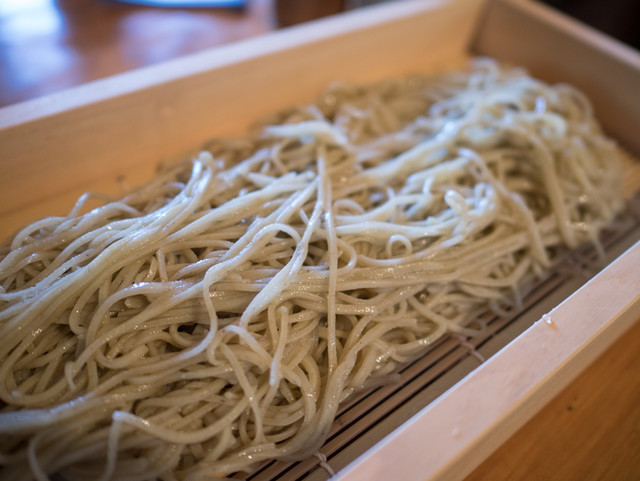
長野の綺麗な水を使った絶品蕎麦
食べログ
そば処 黒耀
3.4
(Tabelog's review)

Nearby Hotels

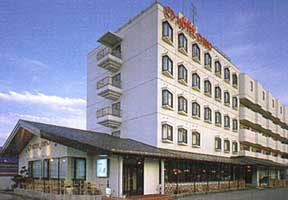
Candeo Hotels Chino
長野県
3.6
¥4,000~/person
Hotel Route Inn Dai Ni Suwa Inter
長野県
3.6
¥8,100~/person
Hotel Route Inn Suwa Inter
長野県
3.5
¥5,484~/person
Chino Station Hotel
長野県
3.1
¥5,800~/person
長野県
3.2
¥6,050~/person
長野県
3.8
¥5,000~/person
See more

Nearby Activities

【長野・諏訪・シルバーアクセサリー作り】純銅・シルバー・アルミでつくる『槌目模様シンプルバングル』 ☆ピッカピカの手づくりシンプルバングル☆ ペア制作も大歓迎!カップルにおすすめ♪お一人様でもOK♪
長野県
¥3,800~/人
【長野・諏訪・七宝焼き】好きな作品を自由に色づけ!七宝焼きアクセサリー作り1個
長野県
¥2,500~/人
【長野・諏訪・手作りキャンドル】お好きな形が選べる!ジェルキャンドル作り1個
長野県
¥1,500~/人
【諏訪湖・ワカサギ釣り】ポカポカと暖かいドーム船!手ぶらで楽しめるワカサギ釣り
長野県
¥3,900~/人
【長野・手作りキャンドル】信州産ドライフラワーで作るアロマワックスチャーム作り
長野県
¥2,530~/人
【長野・ハーバリウム】信州産ドライフラワーで作るナチュラルなハーバリウム作り
長野県
¥2,530~/人
See more

Nearby Restaurants

食べログ
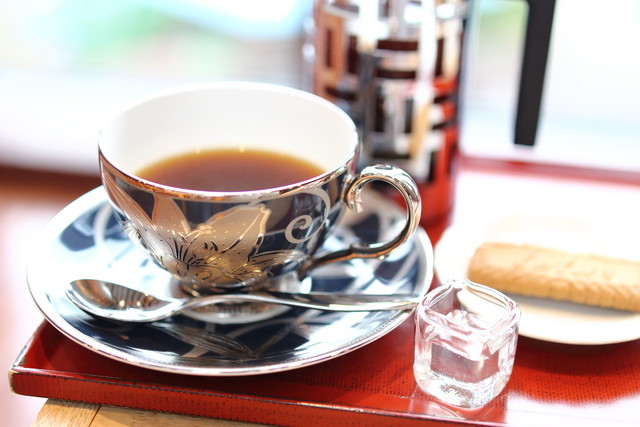
金子茶房
-
-
3.5
(Tabelog's review)
食べログ
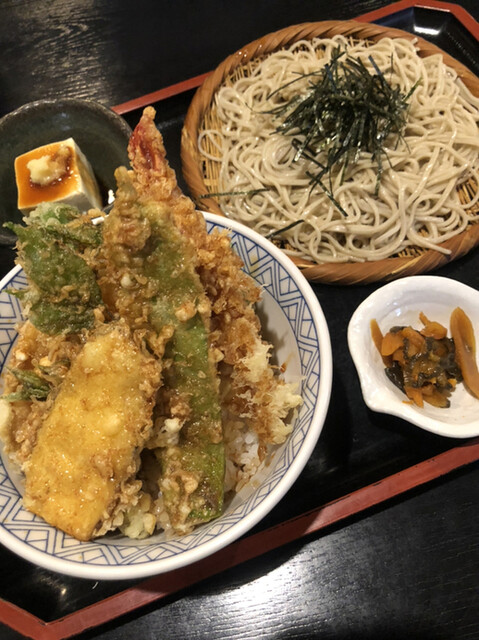
やまさや
¥1,000~¥1,999
-
3.3
(Tabelog's review)
食べログ
かこみ
¥1,000~¥1,999
¥4,000~¥4,999
3.4
(Tabelog's review)
食べログ
小作 諏訪インター前店
¥1,000~¥1,999
¥1,000~¥1,999
3.4
(Tabelog's review)
食べログ
峠の釜めし おぎのや 諏訪店
¥1,000~¥1,999
¥1,000~¥1,999
3.4
(Tabelog's review)
食べログ
勝味庵本店
¥1,000~¥1,999
¥2,000~¥2,999
3.5
(Tabelog's review)
Explore the City
諏訪・蓼科・八ヶ岳
長野県
4.2
アプリアイコン AIでかんたん!旅行プランが作れる
App Storeでダウンロード Google Playでダウンロード
  • Terms of Use
  • Privacy Policy
  • Company Information
AVA Travel's logo
Login
Sign up
  • Hokkaido
  • Aomori
  • Akita
  • Iwate
  • Miyagi
  • Yamagata
  • Fukushima
  • Tochigi
  • Gunma
  • Ibaraki
  • Saitama
  • Kanagawa
  • Chiba
  • Tokyo
  • Yamanashi
  • Niigata
  • Nagano
  • Shizuoka
  • Aichi
  • Gifu
  • Mie
  • Ishikawa
  • Toyama
  • Fukui
  • Hyogo
  • Wakayama
  • Nara
  • Kyoto
  • Shiga
  • Osaka
  • Okayama
  • Hiroshima
  • Yamaguchi
  • Tottori
  • Shimane
  • Ehime
  • Kagawa
  • Kochi
  • Tokushima
  • Oita
  • Nagasaki
  • Fukuoka
  • Kumamoto
  • Miyazaki
  • Saga
  • Kagoshima
  • Okinawa
  • Sapporo
  • Otaru, Yoichi, & Niseko
  • Hakodate
  • Hirosaki
  • Towada & Okuinse
  • Aomori City Area
  • Tsugaru
  • Morioka
  • Miyagi Zao & Shiroishi
  • Sendai
  • Yamagata, Zao, & Tendo
  • Aizu & Kitakata
  • Utsunomiya
  • Nasu & Shiobara
  • Nikko & Kinugawa
  • Takasaki & Maebashi
  • Shibukawa & Ikaho
  • Kusatsu & Shiga Kogen
  • Oze & Numata
  • Tomioka & Shimonita
  • Kawagoe & Higashimatsuyama
  • Omiya, Urawa, & Kounosu
  • Chichibu & Nagatoro
  • Yokohama
  • Kamakura
  • Motomachi & Chinatown
  • Enoshima & Shonan
  • Hakone
  • Tateyama & Minamiboso
  • Kujukuri
  • Chiba, Urayasu, & Makuhari
  • Kisarazu & Kimitsu
  • Izu Islands & Ogasawara
  • Shibuya, Harajuku, & Omotesando
  • Shinjuku
  • Asakusa & Skytree
  • Lake Kawaguchi & Fujiyoshida
  • Yuzawa, Tsunan, & Tokamachi
  • Nagaoka, Sanjo, & Kashiwazaki
  • Karuizawa
  • Matsumoto, Kamikochi & Shiojiri
  • Nozawa Onsen & Shiga Kogen
  • Izu
  • Gotemba, Fuji & Fujinomiya
  • Atami
  • Nagoya
  • Gero (Gero Onsen)
  • Hida, Takayama, & Shirakawa-go
  • Ise, Shima, and Toba
  • Kanazawa
  • Kobe & Arima (Arima Onsen)
  • Awaji Island
  • Himeji & Ako
  • Nara, Tenri, & Horyuji
  • Uji
  • Gion & Higashiyama
  • Kyoto Station & Kawaramachi
  • Fushimi & Yamashina
  • Arashiyama & Takao
  • Nagahama & Maibara
  • Hikone & Omihachiman
  • Shinsaibashi, Namba, & Tennoji
  • Osaka Bay Area
  • Okayama, Ushimado, & Bizen
  • Kurashiki
  • Himeji
  • Miyajima & Hiroshima City
  • Takehara & Mihara
  • Onomichi
  • Shimonoseki & Sumijima
  • Izumo & Iwami Ginzan
  • Uwajima & Ozu
  • Imabari
  • Matsuyama & Dogo
  • Niihama, Saijo, & Mount Ishizuchi
  • Shimanami
  • Shimanto & Ashizuri
  • Oboke, Ohboke, & Iya Valley
  • Naruto & Tokushima City Area
  • Oita City, Saiki, & Usuki
  • Yufuin
  • Beppu
  • Iki, Tsushima & Goto Islands
  • Itoshima
  • Hakata, Tenjin & Dazaifu
  • Kitakyushu, Moji & Kokura
  • Aso & Kurokawa (Kurokawa Onsen)
  • Kumamoto, Yamaga & Kikuchi
  • Miyazaki, Miyakonojo, & Nichinan
  • Takachiho, Nobeoka, & Hyuga
  • Amami & Yoron
  • Yakushima
  • Ibusuki, Chiran & Makurazaki
  • Kagoshima, Sakurajima & Kirishima
  • Onna Village & Central Okinawa
  • Kumejima & Kerama
  • Miyakojima
  • Iriomote Island, Taketomi Island, & Kohama Island
  • Ishigaki Island
  • Naha & Southern Okinawa
  • Utoro Onsen
  • Tokachigawa Onsen
  • Jozankei Onsen
  • Toyako Onsen
  • Noboribetsu Onsen
  • Yukawa Onsen
  • Sukayu Onsen
  • Nyuto Onsen
  • Higashiyama Onsen
  • Shiobara Onsen
  • Kinugawa Onsen
  • Nikko Onsen
  • Yugawara Onsen
  • Hakoneyumoto Onsen
  • Owakudani Onsen
  • Gero Onsen
  • Nibukawa Onsen
  • Ureshino Onsen
  • Yufuin Onsen
  • Beppu Onsen
  • Kurokawa Onsen
  • Jigoku Onsen
  • Ibusuki Onsen

Copyright (c) AVA Intelligence Inc. All Rights Reserved.