AVA Travel's logo
English
日本語
English
中文繁體
Top PageList of SpotsKantoTokyoFuchu & ChofuOokunitama Shrine
TOP
1/3
Show All Image

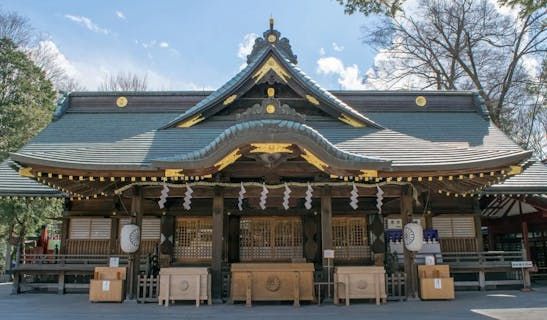
Ookunitama Shrine

東京都
4.4
Tourist Information of This Area
general.prefecture.
About 1,900 years ago, a shrine is said to have been founded.
This is the grand shrine of Musashi Province, which enshrines the god Ookunitama no Kami, who is said to have imparted medical and magical arts to the people. It is one of the "Tokyo Five Shrines," which are highly regarded among the shrines in Tokyo, making it a recommended spot for those who enjoy power spot tours.

Features & How to Enjoy

Classic History

Highlights

Point 1

The Deity Revered as the Guardian God of Musashi Province

Ookunitama Shrine The Deity Revered as the Guardian God of Musashi Province
Ookunitama Shrine, built in 111 AD, has a history of nearly 2000 years. It enshrines Ookunitama no Ookami, the great god of the land, and is revered by many people, from locals to tourists, as the guardian god of Musashi Province. Legend has it that in ancient times, Ookunitama no Ookami opened up Musashi Province and taught people about clothing, food, shelter, and medical practices, making it famous as a god of warding off evil and matchmaking.
Point 2

The Road from the Station to the Shrine is also a National Natural Monument

Ookunitama Shrine The Road from the Station to the Shrine is also a National Natural Monument
The path leading to the main shrine and the precincts is also magnificent and impressive. Just outside Fuchu Station on the Keio Line is the "Baba Daimon Keyaki Tree-lined Street," which is designated as a national natural monument and leads to the Okunitama Shrine. The Keyaki tree-lined street began when Minamoto no Yoritomo and his father prayed for victory in battle and planted 1,000 Keyaki tree seedlings upon their triumphant return. The oldest Keyaki tree is said to be about 600 years old. The path from the approximately 700-meter tree-lined street leads straight to the approach to the Okunitama Shrine. During the New Year's visit and the Kurayami Festival, food stalls line up, creating a festive atmosphere.
Point 3

The "Kurayami Festival" is the Most Exciting Event of the Year

Ookunitama Shrine The "Kurayami Festival" is the Most Exciting Event of the Year
The "Kurayami Festival" is held every year from April 30th to May 6th, and is the busiest time for the Okunitama Shrine. It was named after the festival ritual called "mikoshi togyo", which used to be held in the middle of the night with all the lights in the city turned off. The main event takes place on May 5th, where the largest taiko drum in Japan is beaten and eight portable shrines parade through the streets of Fuchu, signaled by fireworks at 6pm. The festival attracts about 800,000 people during its duration, so it's recommended to use public transportation due to the expected crowds.
Point 4

Powerful Power Spot "Ooginko"

Ookunitama Shrine Powerful Power Spot "Ooginko"
The reason why O-kuni-nushi Shrine is considered a powerful power spot is the Ooginko, a sacred tree located within the shrine grounds. You can find it by going around to the back after visiting the main hall. It is about 1,000 years old and is said to have benefits mainly for women's concerns such as postpartum recovery. The trees are lush and the shrine grounds are pleasant, but the presence of the Ooginko is something special. When you visit, be sure to stop by and not forget it.
Point 5

Enjoy Strolling Around the Shrine to Discover the Seven Wonders

Ookunitama Shrine Enjoy Strolling Around the Shrine to Discover the Seven Wonders
At Ookunitama Shrine, there are seven legendary wonders that have been passed down to this day. For example, there is the "rice seedlings of the offering field". The area right next to the shrine, which is now the Tokyo Racecourse, used to be the shrine's offering field. On May 6th, children would play sumo wrestling in the rice paddies after planting rice seedlings. However, it's said that the seedlings that were trampled during the wrestling would stand straight up the next day, which is quite surprising. Other legends include the "drops of the fir tree", where drops of water constantly fall from the fir tree in the shrine grounds, and the "roots of the giant cedar", where the huge cedar tree on the approach to the shrine has never shown its roots above ground. Why not enjoy a visit to the shrine while exploring these seven wonders?
See more

History

Ookunitama Shrine A Shrine with a Deep History Dating Back to 111 AD
A Shrine with a Deep History Dating Back to 111 AD
The beginning of O-kunitama Shrine dates back to May 5th, 41 AD, during the reign of Emperor Keiko, the 12th emperor of Japan. The shrine enshrines O-kunitama-no-okami, who is said to be the child of Susano-o-no-mikoto, the god who opened up the Musashi region and taught people about clothing, food, shelter, and medicine. After the Taika Reforms in 645 AD, the shrine also played a role in governing the Musashi region. Although the main hall was destroyed by fire, the current building was completed during the Edo period. In 1962 (Showa 37), it was designated as a tangible cultural property of Tokyo.

Access

Ookunitama Shrine Access in about 30 minutes from Shinjuku and Shibuya
Access in about 30 minutes from Shinjuku and Shibuya
If you're coming from the Shinjuku or Shibuya area, the convenient Keio Line Fuchu Station is about a 30-minute ride from each station. From the station to the O-kunitama Shrine, it's about a 5-minute walk through a wide and pleasant zelkova tree-lined street. If you're using the Nanbu Line or Musashino Line, it's about a 5-minute walk from Fuchu Honmachi Station. If you're coming by car, it's about a 10-minute drive from either the Inagi IC or Fuchu Smart IC on the Chuo Expressway. Please be aware that the surrounding roads can get congested during events such as the Kura-yami Festival in May and the New Year's shrine visit.

Parking

Ookunitama Shrine Dedicated Parking Available. Be Careful During Crowded Times!
Dedicated Parking Available. Be Careful During Crowded Times!
There is a free parking lot for visitors, located at the entrance of the new Nishi approach to the Fuchu Honcho Station along the Fuchu Highway. However, as the number of spaces is limited, be careful during crowded periods or times. During the Kura-yami Festival and New Year's, you may also be guided to temporary parking lots. Additionally, there is a paid parking lot that can accommodate 200 cars right near the precincts. However, it can also be very crowded depending on the season, so it's best to access it by train or adjust your timing to make your visit smoother.

Basic Information

Address 3-1 Miyamachi, Fuchu-shi, Tokyo 183-0023
Business Hours

N/A

TEL 042-362-2130
Web Site https://www.ookunitamajinja.or.jp/
Better Visit Together

Recommended Spots

ビール好きは外せない歴史ある工場
サントリー武蔵野ビール工場
東京都
4.4
Rainny day
広大な歴史で、府中市の歴史をしっかり学べる!
府中市郷土の森博物館
東京都
4.2
HistoryCulture
日本画を中心に数々の企画展を開催
府中市美術館
東京都
4.2
Rainny dayCulture

Nearby Hotels

Hotel Matsumotoya 1725
東京都
3.7
¥7,200~/person
Fuchu Urban Hotel Annex
東京都
3.8
¥3,465~/person
Hotel Livemax Budget Fuchu
東京都
2.9
¥2,150~/person
Business Hotel Citytel Fuchu
東京都
3.2
¥6,180~/person
Hotel Continental
東京都
3.7
¥3,250~/person
Hotel Keyaki Gate Tokyo Fuchu
東京都
4.1
¥3,690~/person
See more

Nearby Activities

【東京・府中・シルバーアクセサリー】はじめてでも!なんどでも!純銀製のアクセサリーづくり!
東京都
¥4,400~/人
【平日限定・300円割引】府中駅前天然温泉 縄文の湯 ほろ酔いプラン(館内利用+ほろ酔いセット)
東京都
¥3,100~/人
【平日限定・150円割引】府中駅前天然温泉 縄文の湯 基本プラン(館内利用)
東京都
¥2,250~/人
東京 ・ 国立 ・ 手びねり陶芸体験(1.5時間)
東京都
¥3,850~/人
【電動ろくろ・東京】国立府中ICより約10分!安心焼き代込み☆きれいな形を電動ろくろで♪オプションでその日のうちに色付けも!
東京都
¥5,500~/人
東京 ・ 国立 ・親子で楽しむ手びねり陶芸体験(1.5時間)
東京都
¥7,400~/人
See more

Nearby Restaurants

食べログ
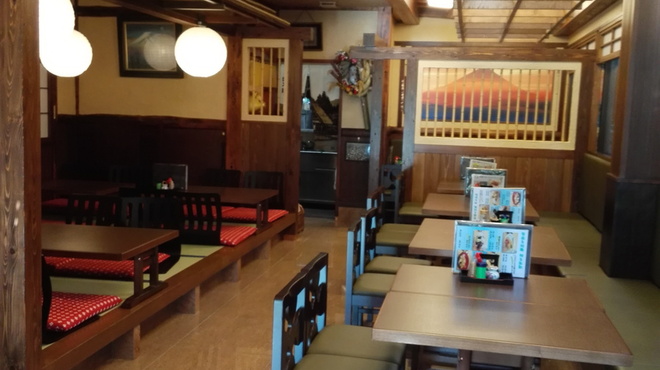
砂場
¥1,000~¥1,999
¥2,000~¥2,999
3.5
(Tabelog's review)
食べログ
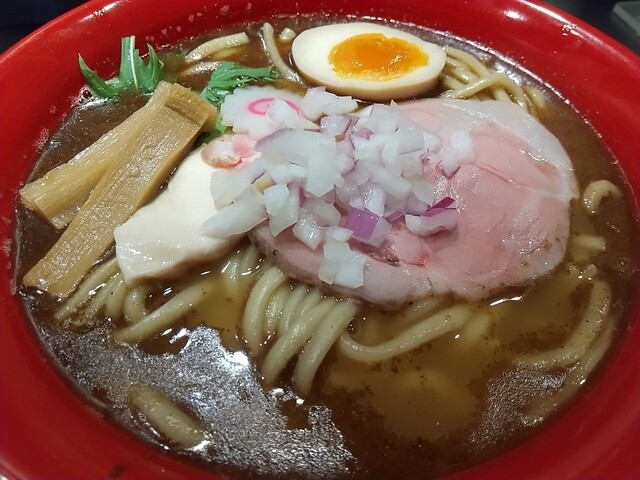
荒節中華にはらい
~¥999
~¥999
3.5
(Tabelog's review)
食べログ
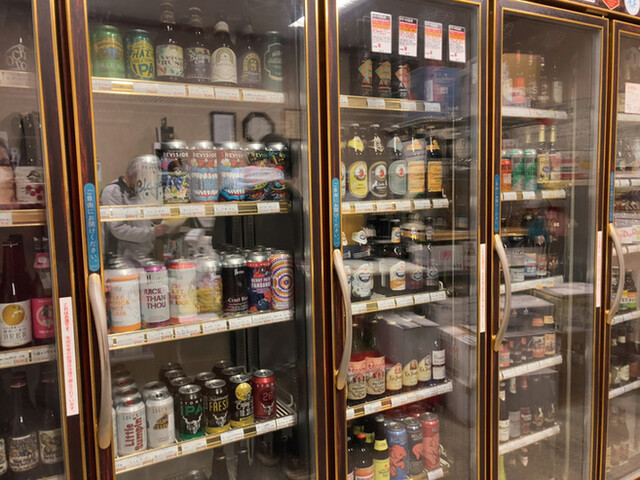
ビアハウス ケン
~¥999
-
3.5
(Tabelog's review)
食べログ
いつみ屋
~¥999
~¥999
3.7
(Tabelog's review)
食べログ
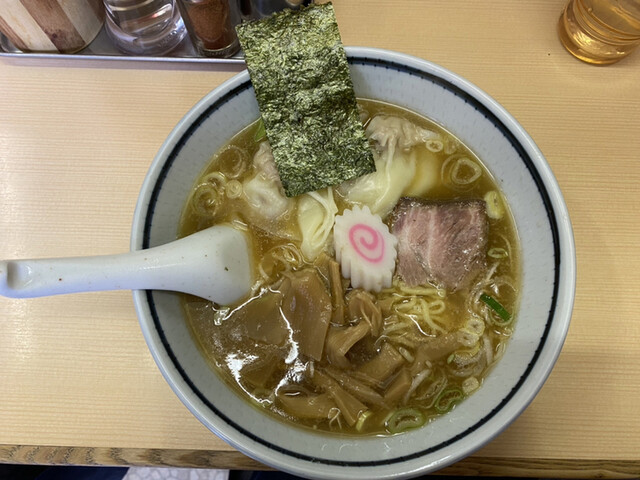
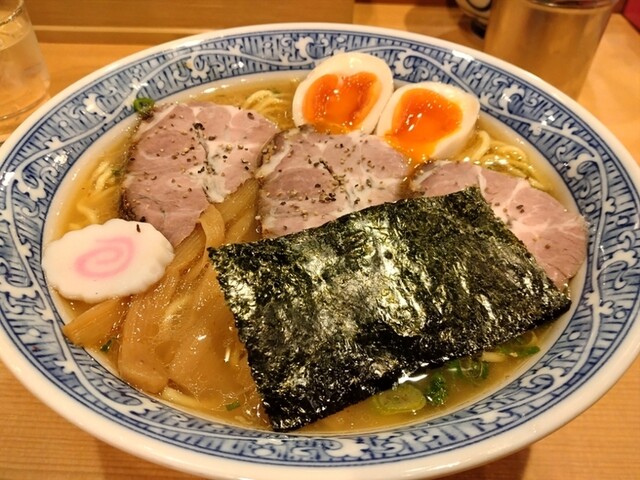
中華そば 青葉 府中店
~¥999
~¥999
3.5
(Tabelog's review)
食べログ
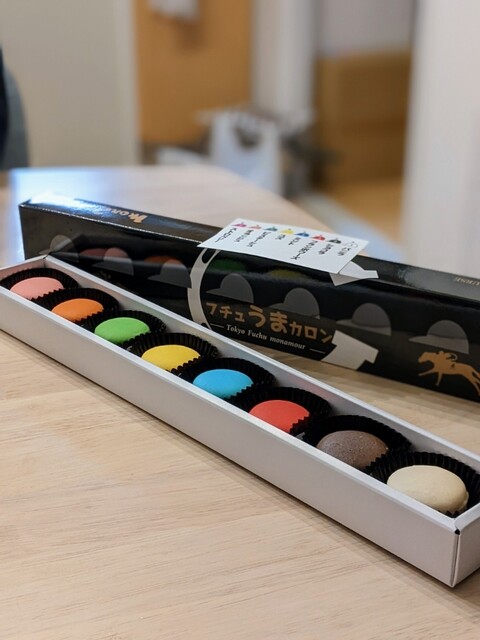
モナムール 清風堂本店 フランス菓子・カフェ
¥1,000~¥1,999
~¥999
3.5
(Tabelog's review)
Explore the City
府中・調布
東京都
4.3
アプリアイコン AIでかんたん!旅行プランが作れる
App Storeでダウンロード Google Playでダウンロード
  • Terms of Use
  • Privacy Policy
  • Company Information
AVA Travel's logo
Login
Sign up
  • Hokkaido
  • Aomori
  • Akita
  • Iwate
  • Miyagi
  • Yamagata
  • Fukushima
  • Tochigi
  • Gunma
  • Ibaraki
  • Saitama
  • Kanagawa
  • Chiba
  • Tokyo
  • Yamanashi
  • Niigata
  • Nagano
  • Shizuoka
  • Aichi
  • Gifu
  • Mie
  • Ishikawa
  • Toyama
  • Fukui
  • Hyogo
  • Wakayama
  • Nara
  • Kyoto
  • Shiga
  • Osaka
  • Okayama
  • Hiroshima
  • Yamaguchi
  • Tottori
  • Shimane
  • Ehime
  • Kagawa
  • Kochi
  • Tokushima
  • Oita
  • Nagasaki
  • Fukuoka
  • Kumamoto
  • Miyazaki
  • Saga
  • Kagoshima
  • Okinawa
  • Sapporo
  • Otaru, Yoichi, & Niseko
  • Hakodate
  • Hirosaki
  • Towada & Okuinse
  • Aomori City Area
  • Tsugaru
  • Morioka
  • Miyagi Zao & Shiroishi
  • Sendai
  • Yamagata, Zao, & Tendo
  • Aizu & Kitakata
  • Utsunomiya
  • Nasu & Shiobara
  • Nikko & Kinugawa
  • Takasaki & Maebashi
  • Shibukawa & Ikaho
  • Kusatsu & Shiga Kogen
  • Oze & Numata
  • Tomioka & Shimonita
  • Kawagoe & Higashimatsuyama
  • Omiya, Urawa, & Kounosu
  • Chichibu & Nagatoro
  • Yokohama
  • Kamakura
  • Motomachi & Chinatown
  • Enoshima & Shonan
  • Hakone
  • Tateyama & Minamiboso
  • Kujukuri
  • Chiba, Urayasu, & Makuhari
  • Kisarazu & Kimitsu
  • Izu Islands & Ogasawara
  • Shibuya, Harajuku, & Omotesando
  • Shinjuku
  • Asakusa & Skytree
  • Lake Kawaguchi & Fujiyoshida
  • Yuzawa, Tsunan, & Tokamachi
  • Nagaoka, Sanjo, & Kashiwazaki
  • Karuizawa
  • Matsumoto, Kamikochi & Shiojiri
  • Nozawa Onsen & Shiga Kogen
  • Izu
  • Gotemba, Fuji & Fujinomiya
  • Atami
  • Nagoya
  • Gero (Gero Onsen)
  • Hida, Takayama, & Shirakawa-go
  • Ise, Shima, and Toba
  • Kanazawa
  • Kobe & Arima (Arima Onsen)
  • Awaji Island
  • Himeji & Ako
  • Nara, Tenri, & Horyuji
  • Uji
  • Gion & Higashiyama
  • Kyoto Station & Kawaramachi
  • Fushimi & Yamashina
  • Arashiyama & Takao
  • Nagahama & Maibara
  • Hikone & Omihachiman
  • Shinsaibashi, Namba, & Tennoji
  • Osaka Bay Area
  • Okayama, Ushimado, & Bizen
  • Kurashiki
  • Himeji
  • Miyajima & Hiroshima City
  • Takehara & Mihara
  • Onomichi
  • Shimonoseki & Sumijima
  • Izumo & Iwami Ginzan
  • Uwajima & Ozu
  • Imabari
  • Matsuyama & Dogo
  • Niihama, Saijo, & Mount Ishizuchi
  • Shimanami
  • Shimanto & Ashizuri
  • Oboke, Ohboke, & Iya Valley
  • Naruto & Tokushima City Area
  • Oita City, Saiki, & Usuki
  • Yufuin
  • Beppu
  • Iki, Tsushima & Goto Islands
  • Itoshima
  • Hakata, Tenjin & Dazaifu
  • Kitakyushu, Moji & Kokura
  • Aso & Kurokawa (Kurokawa Onsen)
  • Kumamoto, Yamaga & Kikuchi
  • Miyazaki, Miyakonojo, & Nichinan
  • Takachiho, Nobeoka, & Hyuga
  • Amami & Yoron
  • Yakushima
  • Ibusuki, Chiran & Makurazaki
  • Kagoshima, Sakurajima & Kirishima
  • Onna Village & Central Okinawa
  • Kumejima & Kerama
  • Miyakojima
  • Iriomote Island, Taketomi Island, & Kohama Island
  • Ishigaki Island
  • Naha & Southern Okinawa
  • Utoro Onsen
  • Tokachigawa Onsen
  • Jozankei Onsen
  • Toyako Onsen
  • Noboribetsu Onsen
  • Yukawa Onsen
  • Sukayu Onsen
  • Nyuto Onsen
  • Higashiyama Onsen
  • Shiobara Onsen
  • Kinugawa Onsen
  • Nikko Onsen
  • Yugawara Onsen
  • Hakoneyumoto Onsen
  • Owakudani Onsen
  • Gero Onsen
  • Nibukawa Onsen
  • Ureshino Onsen
  • Yufuin Onsen
  • Beppu Onsen
  • Kurokawa Onsen
  • Jigoku Onsen
  • Ibusuki Onsen

Copyright (c) AVA Intelligence Inc. All Rights Reserved.