AVA Travel's logo
English
日本語
English
中文繁體
Top PageList of SpotsKyushuKagoshimaYakushimaJomon Sugi
TOP
1/3
Show All Image

Jomon Sugi

鹿児島県
4.6
Tourist Information of This Area
general.prefecture.
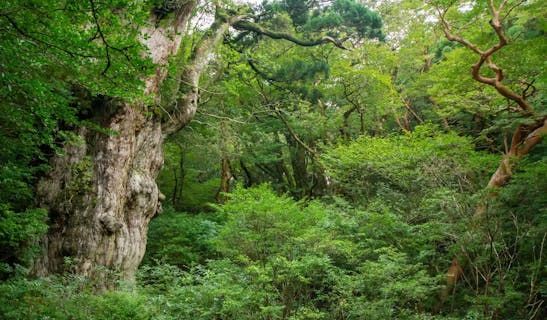
A monumental ancient tree on Yakushima Island that surpasses the age of 2,500 years.
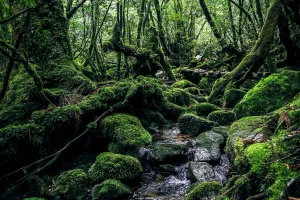
Jomon Sugi is the number one giant tree on Yakushima, which visitors to the island make their first priority to see. Along the 4-5 hour one-way journey, there are stumps and large trees of Yakusugi scattered about, and the numerous Yakusugi trees that are over 1000 years old are worth seeing.

Features & How to Enjoy

Classic Nature

Highlights

Point 1

Visit one of Japan's Oldest Trees, Estimated to be 7200 Years Old!

Jomon Sugi Visit one of Japan's Oldest Trees, Estimated to be 7200 Years Old!
Jomon Sugi is a representative tourist spot on Yakushima Island and is known as one of Japan's oldest trees. Its age is estimated to be between 2000 and 7200 years old, but the exact number is unknown. The surface of this giant cedar is marked with deep grooves, evidence of having survived in a harsh natural environment. Its overwhelming appearance moves those who visit. Climbing Jomon Sugi requires physical strength and experience, as some parts are steep mountainous terrain. However, its impressive appearance and the primitive natural environment surrounding it leave a deep impression on many people. Jomon Sugi is a must-see spot when visiting Yakushima Island!
Point 2

Encounter the Rich Nature of Jomon Sugi Trekking!

Encounter the Rich Nature of Jomon Sugi Trekking!
Jomon Sugi trekking starts from the Arakawa trailhead. The first half of the trek follows a path called the "Torokko Road," which is a track that covers 8km of the total 11km to Jomon Sugi. Once you pass through the "Torokko Road," you'll enter a proper mountain trail. The path includes challenging elements such as steep slopes and rocky terrain. Along the way, you can enjoy the beauty of nature and the rich ecosystem. When you arrive at Jomon Sugi, you'll be impressed by its powerful appearance. Afterward, you'll follow the same path back down the mountain. Jomon Sugi trekking requires both physical strength and experience, so adequate preparation is necessary. Additionally, the itinerary may change depending on the weather and climbing conditions, so it's important to gather enough information and take safety measures. The journey to Jomon Sugi, the symbol of Yakushima, promises a deep emotional experience and an encounter with rich nature!
Point 3

The First Highlight of Trekking: The Granite Tunnel

Jomon Sugi The First Highlight of Trekking: The Granite Tunnel
Starting from the Arakawa trailhead for the Jomon Sugi trek, the first thing you'll encounter is the granite tunnel. This tunnel was carved out by our predecessors and adds an exciting element to the adventure of trekking. The tunnel is lit up, creating a fantastic atmosphere. As you proceed through the tunnel, you'll be greeted with beautiful scenery featuring changes in rock formations and terrain. The granite tunnel is one of the first highlights of the trek and is a charming spot that enhances the excitement and anticipation of the trekking experience!
Point 4

The Wilson Stump, Known for Its Heart-Shaped Cut

Jomon Sugi The Wilson Stump, Known for Its Heart-Shaped Cut
The Wilson Stump, which can be visited during a trek to Jomon-sugi, is known for its heart-shaped cut. After a 30-minute climb up the mountain path from the entrance to the Daisugi Trail, you will arrive at the Wilson Stump. The Wilson Stump is popular as a power spot for love, as when you enter it and look up, it appears in the shape of a heart. The inside of the stump is about the size of 8 tatami mats, and its impressive and mystical atmosphere captivates visitors. This stump was cut down around the end of the 16th century and is named after Dr. Wilson, an American botanist who spread the study of Amami's nature. The Wilson Stump is a special spot that can be visited during the Jomon-sugi trek, offering visitors a special experience while feeling the power of love and nature.
Point 5

Majestic King Sugi, Approximately 3000 Years Old!

Jomon Sugi Majestic King Sugi, Approximately 3000 Years Old!
King Sugi, which can be visited during the Jomon Sugi trekking, is a majestic presence with an age of approximately 3000 years. After climbing the heart-pounding stairs for about 45 minutes from Wilson Stump and taking breaks, you will arrive at King Sugi. King Sugi has an overwhelming presence with its size and power. You can feel its masculine strength from its posture, as if it were making a guts pose. Before Jomon Sugi was discovered, King Sugi was known as the oldest Yakusugi. Its history and age demonstrate the importance and preciousness of this cedar. King Sugi is one of the highlights of the Jomon Sugi trekking, and it is a presence that makes visitors feel the power and dignity of ancient nature. While engraving its magnificent figure in your mind, you can experience the mystery of Yakushima's nature!
See more

Sightseeing

Jomon Sugi The Most Famous Old Tree Among Yakusugi!
The Most Famous Old Tree Among Yakusugi!
Jomon Sugi is the most famous old tree among the Yakusugi trees located on Yakushima Island. Its age is said to range from over 2,000 to 7,200 years old, but the exact age is unknown. Jomon Sugi is characterized by its enormous size and rugged texture. It is said to be proof of withstanding the harsh natural environment of Yakushima Island, and its appearance is overwhelming. To prevent damage to the tree from hikers, an observation deck has been installed. This allows you to see the powerful appearance of Jomon Sugi up close. Jomon Sugi has also been selected as one of Japan's 100 Famous Trees, making it a must-see spot for nature lovers and hikers visiting Yakushima Island. When visiting Yakushima Island, be sure to see the powerful appearance of Jomon Sugi!

Access

Approximately 11km Trekking Course
To access Jomon Sugi by public transportation, take a bus for about 40 minutes to Yakusugi Nature Museum, then transfer to a private shuttle bus for about 35 minutes to arrive at Arakawa Trailhead. If using a private car, it's about a 23km, 40-minute drive from Yakushima Miyanoura Port to Yakusugi Nature Museum, then transfer to a shuttle bus for about 35 minutes to arrive at Arakawa Trailhead. Note that general vehicles are not allowed to enter the trailhead. To see Jomon Sugi, you'll need to walk an 11km trekking course from Arakawa Trailhead, so it's recommended to plan your climb carefully and prepare appropriate equipment.

Basic Information

Address 〒891-4205 Kumage-gun, Yakushima-cho, Kagoshima
Business Hours

The largest tree on Yakushima Island, which is over 2,500 years old.

TEL 0997-49-4010
Better Visit Together

Recommended Spots

内部から見上げるとハートに見える切り株!
ウィルソン株
鹿児島県
4.6
ViewNature
大鳥居と日本庭園に囲まれた神社!
屋久島大社
鹿児島県
4
History
屋久島の自然や文化を紹介する博物館!
屋久島環境文化村センター
鹿児島県
3.9
Rainny dayCulture

Nearby Hotels

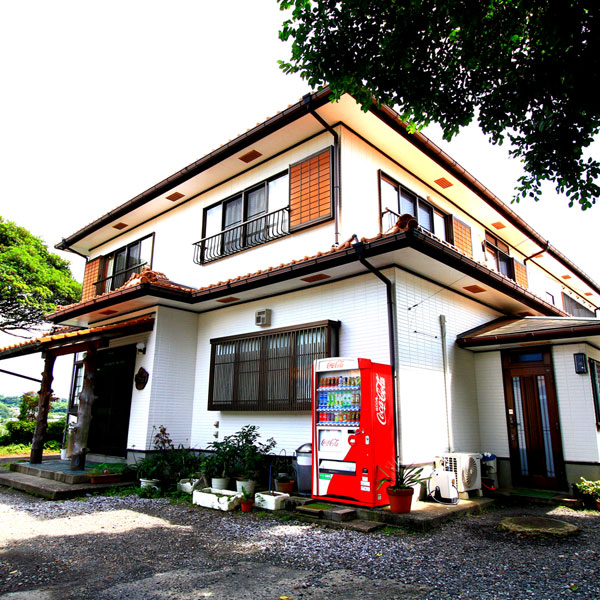
Wa no Cottage Sen-no-ie
鹿児島県
4
¥5,000~/person
Tashiro Ryokan Annex
鹿児島県
3.6
¥8,800~/person
鹿児島県
3.3
¥1,900~/person
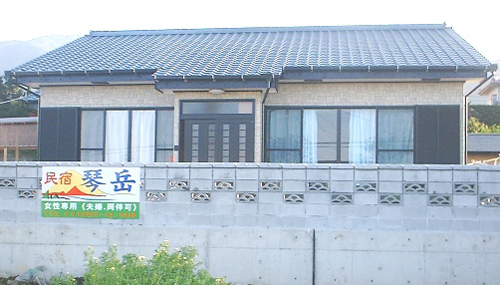
Minshuku Earth Yamaguchi
鹿児島県
4.5
¥3,000~/person
Minshuku Iwakawa
鹿児島県
4.4
¥3,150~/person
鹿児島県
5
¥2,500~/person
See more

Nearby Activities

【鹿児島・屋久島・トレッキング】誰もが癒される!白谷雲水峡半日トレッキング
鹿児島県
¥8,500~/人
【鹿児島・屋久島・トレッキング】太鼓岩を目指そう!白谷雲水峡1日トレッキング
鹿児島県
¥13,000~/人
【屋久島・トレッキング】白谷雲水峡~太鼓岩ツアー!装備レンタル無料
鹿児島県
¥7,800~/人
【屋久島・ファンダイビング】魚種の豊富さ日本一の海へ!ボートファンダイビング
鹿児島県
¥16,500~/人
【屋久島・体験ダイビング】ウミガメ遭遇率No.1コース!ウミガメコース(1ビーチ)宮之浦港・屋久島空港からのアクセス良好!島内最大施設・充実設備!
鹿児島県
¥13,000~/人
【屋久島・体験ダイビング】ショートコース・お気軽リーズナブル!島内最大施設・充実設備で安心!宮之浦周辺無料送迎有!
鹿児島県
¥9,000~/人
See more

Nearby Restaurants

食べログ
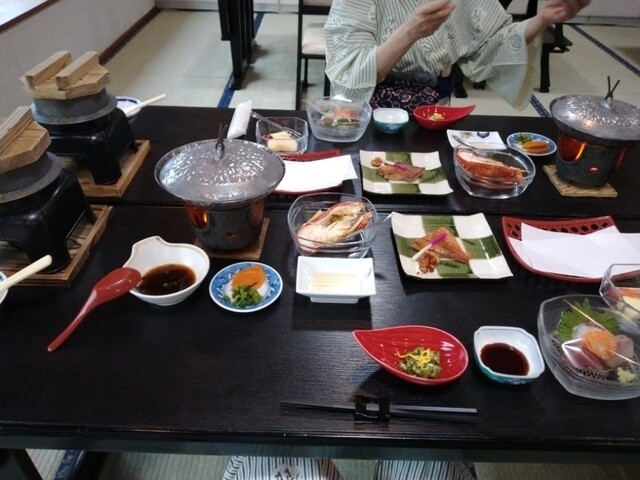
田代別館
¥15,000~¥19,999
-
3.2
(Tabelog's review)
食べログ
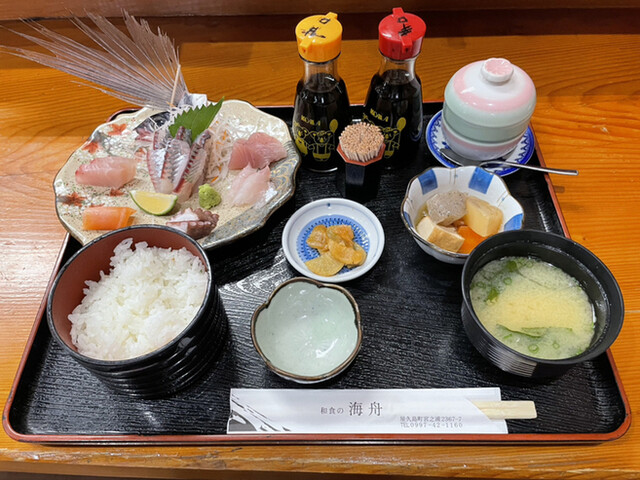
海舟
-
¥1,000~¥1,999
3.2
(Tabelog's review)
食べログ
恵比寿大黒とし
-
¥3,000~¥3,999
3.3
(Tabelog's review)
食べログ
さっちゃん
-
-
3
(Tabelog's review)
食べログ
地魚料理 若大将
-
¥6,000~¥7,999
3.4
(Tabelog's review)
食べログ
レストランパノラマ
-
-
3.2
(Tabelog's review)
Explore the City
屋久島
鹿児島県
4.6
アプリアイコン AIでかんたん!旅行プランが作れる
App Storeでダウンロード Google Playでダウンロード
  • Terms of Use
  • Privacy Policy
  • Company Information
AVA Travel's logo
Login
Sign up
  • Hokkaido
  • Aomori
  • Akita
  • Iwate
  • Miyagi
  • Yamagata
  • Fukushima
  • Tochigi
  • Gunma
  • Ibaraki
  • Saitama
  • Kanagawa
  • Chiba
  • Tokyo
  • Yamanashi
  • Niigata
  • Nagano
  • Shizuoka
  • Aichi
  • Gifu
  • Mie
  • Ishikawa
  • Toyama
  • Fukui
  • Hyogo
  • Wakayama
  • Nara
  • Kyoto
  • Shiga
  • Osaka
  • Okayama
  • Hiroshima
  • Yamaguchi
  • Tottori
  • Shimane
  • Ehime
  • Kagawa
  • Kochi
  • Tokushima
  • Oita
  • Nagasaki
  • Fukuoka
  • Kumamoto
  • Miyazaki
  • Saga
  • Kagoshima
  • Okinawa
  • Sapporo
  • Otaru, Yoichi, & Niseko
  • Hakodate
  • Hirosaki
  • Towada & Okuinse
  • Aomori City Area
  • Tsugaru
  • Morioka
  • Miyagi Zao & Shiroishi
  • Sendai
  • Yamagata, Zao, & Tendo
  • Aizu & Kitakata
  • Utsunomiya
  • Nasu & Shiobara
  • Nikko & Kinugawa
  • Takasaki & Maebashi
  • Shibukawa & Ikaho
  • Kusatsu & Shiga Kogen
  • Oze & Numata
  • Tomioka & Shimonita
  • Kawagoe & Higashimatsuyama
  • Omiya, Urawa, & Kounosu
  • Chichibu & Nagatoro
  • Yokohama
  • Kamakura
  • Motomachi & Chinatown
  • Enoshima & Shonan
  • Hakone
  • Tateyama & Minamiboso
  • Kujukuri
  • Chiba, Urayasu, & Makuhari
  • Kisarazu & Kimitsu
  • Izu Islands & Ogasawara
  • Shibuya, Harajuku, & Omotesando
  • Shinjuku
  • Asakusa & Skytree
  • Lake Kawaguchi & Fujiyoshida
  • Yuzawa, Tsunan, & Tokamachi
  • Nagaoka, Sanjo, & Kashiwazaki
  • Karuizawa
  • Matsumoto, Kamikochi & Shiojiri
  • Nozawa Onsen & Shiga Kogen
  • Izu
  • Gotemba, Fuji & Fujinomiya
  • Atami
  • Nagoya
  • Gero (Gero Onsen)
  • Hida, Takayama, & Shirakawa-go
  • Ise, Shima, and Toba
  • Kanazawa
  • Kobe & Arima (Arima Onsen)
  • Awaji Island
  • Himeji & Ako
  • Nara, Tenri, & Horyuji
  • Uji
  • Gion & Higashiyama
  • Kyoto Station & Kawaramachi
  • Fushimi & Yamashina
  • Arashiyama & Takao
  • Nagahama & Maibara
  • Hikone & Omihachiman
  • Shinsaibashi, Namba, & Tennoji
  • Osaka Bay Area
  • Okayama, Ushimado, & Bizen
  • Kurashiki
  • Himeji
  • Miyajima & Hiroshima City
  • Takehara & Mihara
  • Onomichi
  • Shimonoseki & Sumijima
  • Izumo & Iwami Ginzan
  • Uwajima & Ozu
  • Imabari
  • Matsuyama & Dogo
  • Niihama, Saijo, & Mount Ishizuchi
  • Shimanami
  • Shimanto & Ashizuri
  • Oboke, Ohboke, & Iya Valley
  • Naruto & Tokushima City Area
  • Oita City, Saiki, & Usuki
  • Yufuin
  • Beppu
  • Iki, Tsushima & Goto Islands
  • Itoshima
  • Hakata, Tenjin & Dazaifu
  • Kitakyushu, Moji & Kokura
  • Aso & Kurokawa (Kurokawa Onsen)
  • Kumamoto, Yamaga & Kikuchi
  • Miyazaki, Miyakonojo, & Nichinan
  • Takachiho, Nobeoka, & Hyuga
  • Amami & Yoron
  • Yakushima
  • Ibusuki, Chiran & Makurazaki
  • Kagoshima, Sakurajima & Kirishima
  • Onna Village & Central Okinawa
  • Kumejima & Kerama
  • Miyakojima
  • Iriomote Island, Taketomi Island, & Kohama Island
  • Ishigaki Island
  • Naha & Southern Okinawa
  • Utoro Onsen
  • Tokachigawa Onsen
  • Jozankei Onsen
  • Toyako Onsen
  • Noboribetsu Onsen
  • Yukawa Onsen
  • Sukayu Onsen
  • Nyuto Onsen
  • Higashiyama Onsen
  • Shiobara Onsen
  • Kinugawa Onsen
  • Nikko Onsen
  • Yugawara Onsen
  • Hakoneyumoto Onsen
  • Owakudani Onsen
  • Gero Onsen
  • Nibukawa Onsen
  • Ureshino Onsen
  • Yufuin Onsen
  • Beppu Onsen
  • Kurokawa Onsen
  • Jigoku Onsen
  • Ibusuki Onsen

Copyright (c) AVA Intelligence Inc. All Rights Reserved.