AVA Travel's logo
English
日本語
English
中文繁體
Top PageList of SpotsKantoTokyoGinza, Nihonbashi, & TsukishimaBank of Japan Head Office
TOP
1/3
Show All Image

Bank of Japan Head Office

東京都
4.1
Tourist Information of This Area
general.prefecture.
Designated as an Important Cultural Property, this bank...
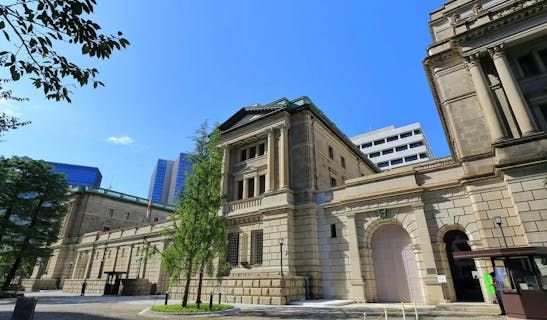
The Bank of Japan Head Office is an important cultural property of the country that was completed in 1896. It has continued to mark history since the Meiji era, and its classical yet unique design is attractive. Guided tours of the main building and courtyard are also popular.

Features & How to Enjoy

Classic History

Highlights

Point 1

Not Ginza, but Kinza?

Bank of Japan Head Office Not Ginza, but Kinza?
You may be familiar with Ginza, which is often referred to as the largest downtown area in Japan. However, have you heard of Kinza? Kinza refers to the area where gold manufacturing factories, offices, and the residences of government officials responsible for gold production were located. In contrast, the area where silver was manufactured was called Ginza. Kinza was located exactly where the current Bank of Japan headquarters stands, and has historically been a land deeply associated with currency.
Point 2

Fulfilling Sightseeing Tours

Bank of Japan Head Office Fulfilling Sightseeing Tours
The Bank of Japan's main building offers a free sightseeing tour. The tour is a 60-minute course that requires advance reservation and includes a guided tour of the main courtyard, the doors of the underground vault, and the exhibition room. The tour is held four times a day, with a capacity of 20 people per session on a first-come, first-served basis. If you're interested, it's recommended to make a reservation well in advance! The adjacent Currency Museum is also open for free tours, allowing you to learn more about the history of Japanese money by visiting both places.
Point 3

Important Cultural Property Building

Bank of Japan Head Office Important Cultural Property Building
The former building of the Bank of Japan is an Important Cultural Property. The design of the building was done by Dr. Kingo Tatsuno of Tokyo Imperial University (now Tokyo University), who also designed the Bank of Japan's branches (including nine branches in Osaka). Dr. Tatsuno conducted research on bank architecture in various countries in Europe and America, and it is said that he designed the Bank of Japan based on models such as the Bank of England. In the Great Kanto Earthquake of 1923, many buildings in Tokyo collapsed, but the Bank of Japan remained unshaken. Dr. Tatsuno, who was nicknamed "Tatsuno the Sturdy," left behind a magnificent building that still stands in modern Japan.
Point 4

Dignified Exterior

Bank of Japan Head Office Dignified Exterior
The dignified exterior is made of stacked brick and stone. Some may recognize it from somewhere before. Dr. Kingo Tatsuno, who designed the Bank of Japan, also designed the Tokyo Station building, and many people notice that it looks somewhat similar to Tokyo Station. At the front entrance of the Bank of Japan, you can see a crest with two male lions standing on their hind legs, each stepping on six thousand-ryo boxes. They are holding the "medama," the symbol mark of the Bank of Japan. This is a famous building that has been meticulously designed down to the smallest details.
Point 5

Viewing the Bank of Japan from Above...

Bank of Japan Head Office Viewing the Bank of Japan from Above...
It is said that when viewed from above, the Bank of Japan resembles the character for "yen". However, this is believed to be purely coincidental. When the Bank of Japan was constructed, the old-style character for "yen" ("圓") was used, not the current character ("円"). This suggests that the designer, Dr. Kingo Tatsuno, did not intend for the building to resemble the character for "yen". As opportunities to view the building from above are rare, why not experience the sensation of seeing the "yen" character on a guided tour or other visit?
See more

History

Bank of Japan Head Office Active as a Central Bank since the Meiji Era!
Active as a Central Bank since the Meiji Era!
The Bank of Japan was established in 1882, during the 15th year of the Meiji Era. Prior to the establishment of the Bank of Japan, there were various factors such as the influence of the Satsuma Rebellion, which led to a rapid inflation due to the issuance of inconvertible government notes and national bank notes. Based on this background, the Bank of Japan Act was enacted, and the Bank of Japan was established with the aim of issuing banknotes and stabilizing the value of currency.

Access

Bank of Japan Head Office Many Stations Nearby
Many Stations Nearby
The Bank of Japan's main building has excellent access! The closest station is Mitsukoshimae Station, which is a 5-minute walk to the Bank of Japan's main building, but it is also within walking distance from JR Tokyo Station and JR Kanda Station. It is also possible to walk from other stations such as Nihonbashi Station. By the way, the meeting place for the guided tour is the West Gate, so be careful not to enter through other entrances.

Required time

Bank of Japan Head Office One-Hour Tour Course Available!
One-Hour Tour Course Available!
The Bank of Japan Main Building offers a tour course that is available to anyone in fifth grade or above, free of charge. English tours are also available. However, it is strictly by reservation only, so be sure not to forget to make a reservation in advance. Unfortunately, tours are only available on Mondays, Wednesdays, Thursdays, and Fridays, and there are no tours available on holidays.

Basic Information

Address 2-1-1 Nihonbashi-Hongokucho, Chuo-ku, Tokyo 103-8660
Business Hours

Monday: 9:00am-3:00pm, Tuesday: 9:00am-3:00pm, Wednesday: 9:00am-3:00pm, Thursday: 9:00am-3:00pm, Friday: 9:00am-3:00pm, Saturday: Closed, Sunday: Closed.

TEL 03-3279-1111
Web Site http://www.boj.or.jp/
Better Visit Together

Recommended Spots

三井財閥のコレクションを見学できる
三井記念美術館
東京都
Rainny dayCulture
日本の道路のはじまり
日本国道路元標複製
東京都
4.1
History
日本銀行見学とあわせてどうぞ!
日本銀行金融研究所貨幣博物館
東京都
4.1
Rainny dayCulture
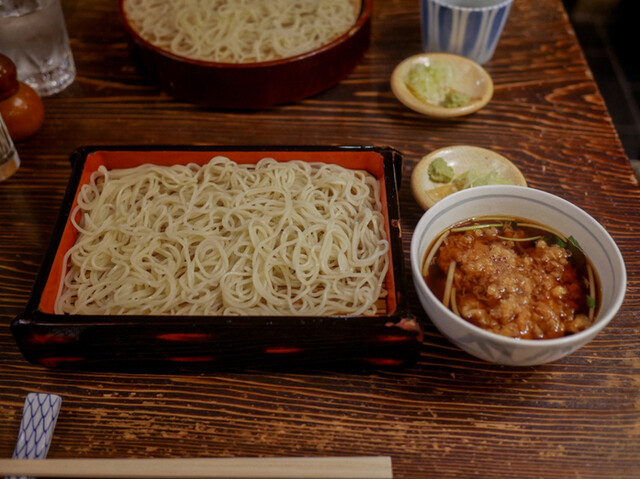
江戸前そばの名店
食べログ
室町砂場 日本橋本店
3.7
(Tabelog's review)

Nearby Hotels

Jhotel Tokyo GEO
東京都
3.8
¥1~/person
Mandarin Oriental, Tokyo
東京都
4.9
¥47,080~/person
Keio Presso Inn Otemachi
東京都
3.8
¥5,500~/person
Mitsui Garden Hotel Nihonbashi Premier Tokyo
東京都
4.6
¥9,020~/person
東京都
3.7
¥7,000~/person
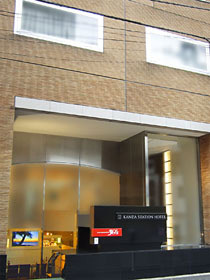
Tosei Hotel Cocone Kanda
東京都
3.9
¥3,500~/person
See more

Nearby Activities

【東京・日本橋・鋳物体験】自分好みに作れる。メタルの豆皿・コースター(2枚)
東京都
¥5,500~/人
【東京・日本橋・鋳物体験】初心者でも簡単!メタルえだまめの箸置き作り(2個)
東京都
¥3,300~/人
【東京・日本橋・手作り雑貨】当日持ち帰れる!自分だけのランチボックス作り(1個)
東京都
¥7,920~/人
【東京・日本橋・手作り雑貨】さくっと楽しめる。缶バッチorマグネット作り(2個)
東京都
¥990~/人
【東京・丸の内・ドライブでTokyoナイト!】ライトアップ東京ツアー!~東京湾岸と川崎工場の夜景~ -夕食付プラン- 〈専用車1台8名様限定〉
東京都
¥23,022~/人
【東京・丸の内・ドライブでTokyoナイト!】ライトアップ東京ツアー!~東京湾岸と川崎工場の夜景~ -夕食なしプラン- 〈専用車1台8名様限定〉
東京都
¥13,101~/人
See more

Nearby Restaurants

食べログ
アカ
-
¥60,000~¥79,999
4.6
(Tabelog's review)
食べログ
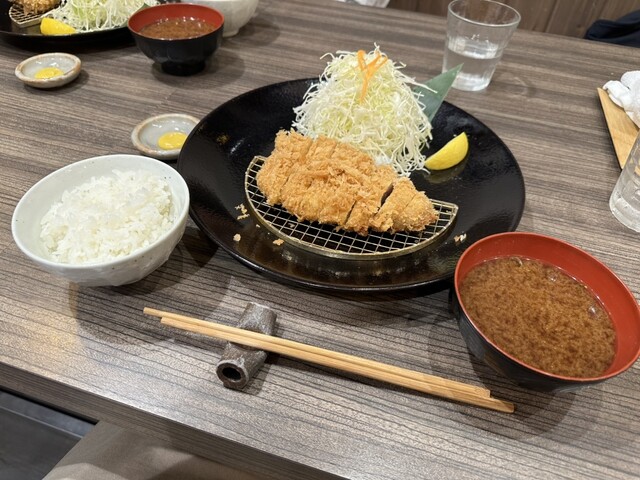
あげづき コレド室町テラス店
¥1,000~¥1,999
¥2,000~¥2,999
3.7
(Tabelog's review)
食べログ
ザ マンダリン オリエンタル グルメショップ
¥1,000~¥1,999
¥1,000~¥1,999
3.8
(Tabelog's review)
食べログ
ケシキ
¥10,000~¥14,999
¥10,000~¥14,999
3.6
(Tabelog's review)
食べログ
広東料理 センス
¥8,000~¥9,999
¥15,000~¥19,999
4
(Tabelog's review)
食べログ
マンダリンバー
¥3,000~¥3,999
-
3.6
(Tabelog's review)
Explore the City
銀座・日本橋・月島
東京都
4.2
アプリアイコン AIでかんたん!旅行プランが作れる
App Storeでダウンロード Google Playでダウンロード
  • Terms of Use
  • Privacy Policy
  • Company Information
AVA Travel's logo
Login
Sign up
  • Hokkaido
  • Aomori
  • Akita
  • Iwate
  • Miyagi
  • Yamagata
  • Fukushima
  • Tochigi
  • Gunma
  • Ibaraki
  • Saitama
  • Kanagawa
  • Chiba
  • Tokyo
  • Yamanashi
  • Niigata
  • Nagano
  • Shizuoka
  • Aichi
  • Gifu
  • Mie
  • Ishikawa
  • Toyama
  • Fukui
  • Hyogo
  • Wakayama
  • Nara
  • Kyoto
  • Shiga
  • Osaka
  • Okayama
  • Hiroshima
  • Yamaguchi
  • Tottori
  • Shimane
  • Ehime
  • Kagawa
  • Kochi
  • Tokushima
  • Oita
  • Nagasaki
  • Fukuoka
  • Kumamoto
  • Miyazaki
  • Saga
  • Kagoshima
  • Okinawa
  • Sapporo
  • Otaru, Yoichi, & Niseko
  • Hakodate
  • Hirosaki
  • Towada & Okuinse
  • Aomori City Area
  • Tsugaru
  • Morioka
  • Miyagi Zao & Shiroishi
  • Sendai
  • Yamagata, Zao, & Tendo
  • Aizu & Kitakata
  • Utsunomiya
  • Nasu & Shiobara
  • Nikko & Kinugawa
  • Takasaki & Maebashi
  • Shibukawa & Ikaho
  • Kusatsu & Shiga Kogen
  • Oze & Numata
  • Tomioka & Shimonita
  • Kawagoe & Higashimatsuyama
  • Omiya, Urawa, & Kounosu
  • Chichibu & Nagatoro
  • Yokohama
  • Kamakura
  • Motomachi & Chinatown
  • Enoshima & Shonan
  • Hakone
  • Tateyama & Minamiboso
  • Kujukuri
  • Chiba, Urayasu, & Makuhari
  • Kisarazu & Kimitsu
  • Izu Islands & Ogasawara
  • Shibuya, Harajuku, & Omotesando
  • Shinjuku
  • Asakusa & Skytree
  • Lake Kawaguchi & Fujiyoshida
  • Yuzawa, Tsunan, & Tokamachi
  • Nagaoka, Sanjo, & Kashiwazaki
  • Karuizawa
  • Matsumoto, Kamikochi & Shiojiri
  • Nozawa Onsen & Shiga Kogen
  • Izu
  • Gotemba, Fuji & Fujinomiya
  • Atami
  • Nagoya
  • Gero (Gero Onsen)
  • Hida, Takayama, & Shirakawa-go
  • Ise, Shima, and Toba
  • Kanazawa
  • Kobe & Arima (Arima Onsen)
  • Awaji Island
  • Himeji & Ako
  • Nara, Tenri, & Horyuji
  • Uji
  • Gion & Higashiyama
  • Kyoto Station & Kawaramachi
  • Fushimi & Yamashina
  • Arashiyama & Takao
  • Nagahama & Maibara
  • Hikone & Omihachiman
  • Shinsaibashi, Namba, & Tennoji
  • Osaka Bay Area
  • Okayama, Ushimado, & Bizen
  • Kurashiki
  • Himeji
  • Miyajima & Hiroshima City
  • Takehara & Mihara
  • Onomichi
  • Shimonoseki & Sumijima
  • Izumo & Iwami Ginzan
  • Uwajima & Ozu
  • Imabari
  • Matsuyama & Dogo
  • Niihama, Saijo, & Mount Ishizuchi
  • Shimanami
  • Shimanto & Ashizuri
  • Oboke, Ohboke, & Iya Valley
  • Naruto & Tokushima City Area
  • Oita City, Saiki, & Usuki
  • Yufuin
  • Beppu
  • Iki, Tsushima & Goto Islands
  • Itoshima
  • Hakata, Tenjin & Dazaifu
  • Kitakyushu, Moji & Kokura
  • Aso & Kurokawa (Kurokawa Onsen)
  • Kumamoto, Yamaga & Kikuchi
  • Miyazaki, Miyakonojo, & Nichinan
  • Takachiho, Nobeoka, & Hyuga
  • Amami & Yoron
  • Yakushima
  • Ibusuki, Chiran & Makurazaki
  • Kagoshima, Sakurajima & Kirishima
  • Onna Village & Central Okinawa
  • Kumejima & Kerama
  • Miyakojima
  • Iriomote Island, Taketomi Island, & Kohama Island
  • Ishigaki Island
  • Naha & Southern Okinawa
  • Utoro Onsen
  • Tokachigawa Onsen
  • Jozankei Onsen
  • Toyako Onsen
  • Noboribetsu Onsen
  • Yukawa Onsen
  • Sukayu Onsen
  • Nyuto Onsen
  • Higashiyama Onsen
  • Shiobara Onsen
  • Kinugawa Onsen
  • Nikko Onsen
  • Yugawara Onsen
  • Hakoneyumoto Onsen
  • Owakudani Onsen
  • Gero Onsen
  • Nibukawa Onsen
  • Ureshino Onsen
  • Yufuin Onsen
  • Beppu Onsen
  • Kurokawa Onsen
  • Jigoku Onsen
  • Ibusuki Onsen

Copyright (c) AVA Intelligence Inc. All Rights Reserved.