AVA Travel's logo
English
日本語
English
中文繁體
Top PageList of SpotsKantoTokyoFuchu & ChofuFudaiji
TOP
1/3
Show All Image

Fudaiji

東京都
4.3
Tourist Information of This Area
general.prefecture.
Temple famous for its benefits such as warding off evil
Fudaiji is an exceptional head temple of the Tendai sect, famous as a power spot, and is said to have the benefits of warding off evil, matchmaking, and bringing good relationships. It is also known nationwide as the location of one of Japan's three major Daruma markets, the "Fudaiji Daruma Market".

Features & How to Enjoy

Classic History

Highlights

Point 1

A Spacious and Pleasant Grounds Honoring National Treasures

Fudaiji A Spacious and Pleasant Grounds Honoring National Treasures
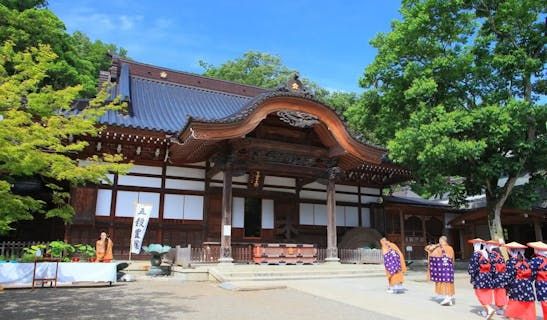
The grounds, enveloped by the lush scenery of Musashino, are started off by a solemn mountain gate with a thatched roof. There are many historical highlights, such as the main hall where the valuable treasure, the Crowned Amida Nyorai, is enshrined, Jokoro, which has survived several fires like the mountain gate, the secret Buddha statue of Genzo Daishi, who was active in the Heian period, and the "Shinsha Daioh-do" where the water god, Shinsha Daioh, enshrined by Manku Shonin, the founder of the temple, is enshrined. Of particular note is the Shaka Nyorai statue, which is famous as the oldest national treasure in eastern Japan. It is a Buddha statue representing the late Asuka period, called the Hakuhou period, and is characterized by its well-formed clothing and fresh skin expression. As there are steep slopes, it is recommended to wear comfortable shoes when visiting.
Point 2

Famous Gourmet Dish Since the Edo Period: Soba from Meiji Shrine

Fudaiji Famous Gourmet Dish Since the Edo Period: Soba from Meiji Shrine
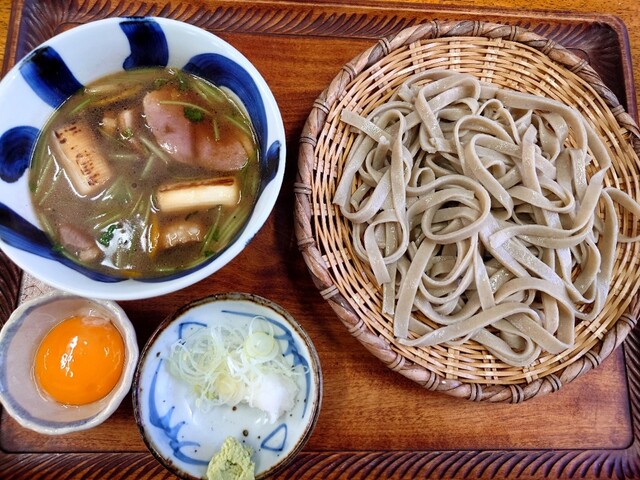
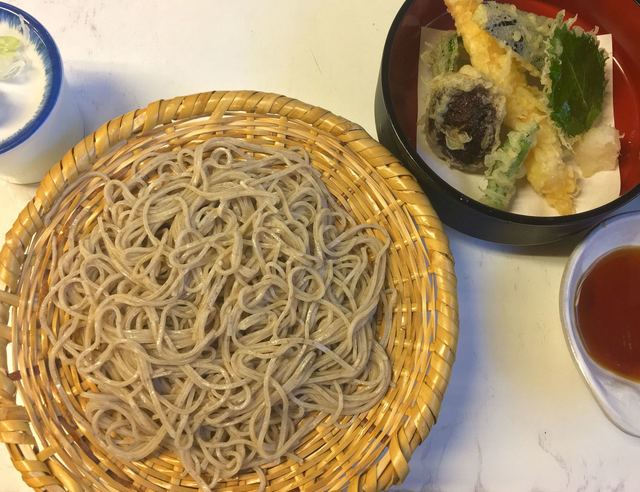
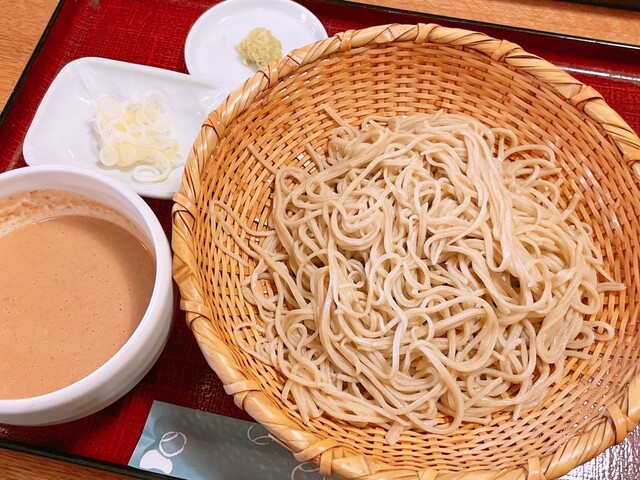
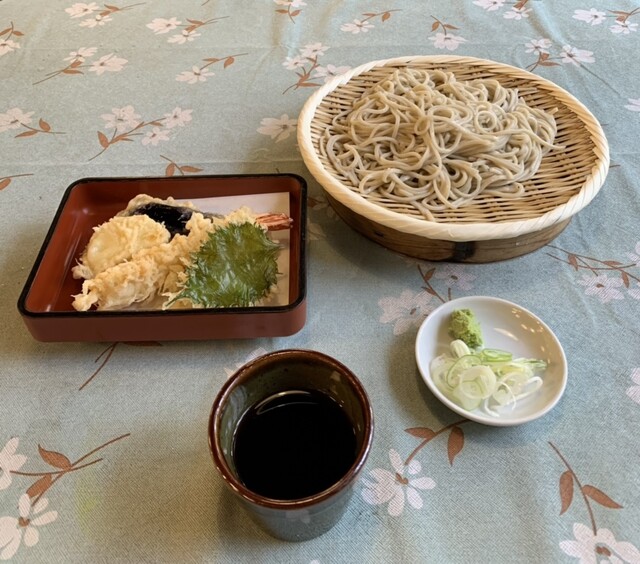
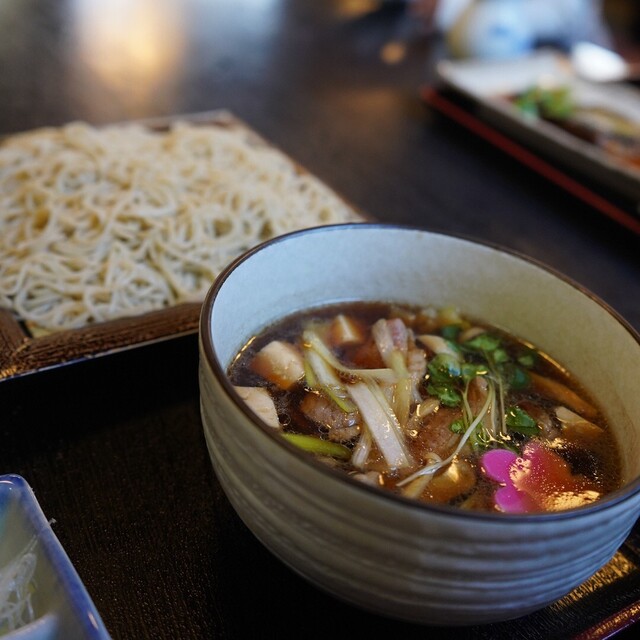
The famous gourmet dish of Meiji Shrine, which boasts abundant spring water, is "Meiji Shrine soba." Soba production has been thriving since the Edo period. There are over 20 soba shops along the approach to the shrine gate of Meiji Shrine. From long-established shops like "Ganso Shimadaya," founded during the Bun'kyū era (around 1860), to "Suzume no Oyado," which boasts a quaint atmosphere and excellent tempura, and "Aokiya Meiji Shrine Store," where you can enjoy firm and flavorful soba on a terrace facing a pond, try finding a shop that suits your taste. Every year, from late November to early December during the new soba season, the "Meiji Shrine Soba Festival" is held, where you can enjoy a food crawl of Meiji Shrine soba association member stores. As there are also small portions available during this period, it's perfect for those who want to try a lot of shops little by little!
Point 3

Enjoy the Foodie Scene on the Approach Filled with Tasty Treats!

Fudaiji Enjoy the Foodie Scene on the Approach Filled with Tasty Treats!
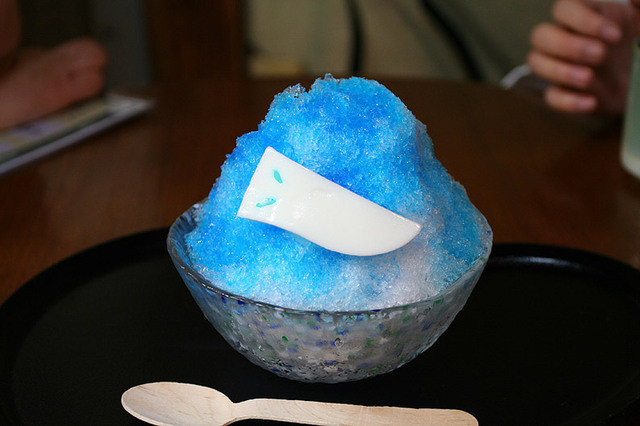
The approach to Meiji Shrine is lined with restaurants and souvenir shops, including shops selling the famous Jindaiji soba. The area exudes the atmosphere of old Edo and is one of the highlights of the shrine. There are plenty of gourmet treats perfect for foodies, including the famous "soba bread" from "Ameya," a fast food made by sandwiching mustard greens and sweet bean paste between fluffy bread made with brown rice flour and soba flour. Soba manju and kusa mochi are also must-tries. In addition to these, there are other gourmet delights to enjoy on the approach, such as dango, shaved ice in the summer, and local sake called "Jindaiji Beer."
Point 4

Experience the Most Exciting "Daruma Market" of the Year

Fudaiji Experience the Most Exciting "Daruma Market" of the Year
At Jindai-ji Temple, where eight events are held throughout the year, the most famous is the "Daruma Market" held every year on March 3rd and 4th. It is one of Japan's three major Daruma Markets and the temple grounds are the most lively during this time of the year. The official name of the event is "Yaku-yoke Gotoshi Daimyojin Matsuri" and it is a historical event for warding off evil spirits. The event includes a large Goma prayer ceremony held all day at the Gotoshi Daimyojin Hall, where a giant statue of the Gotoshi Daimyojin, who is said to have defeated the plague god, is enshrined. At the Daruma Market, which is held in honor of the Gotoshi Daimyojin, about 300 Daruma vendors fill the temple grounds! The sight of Daruma dolls, including the traditional red ones, lined up at the stalls is breathtaking. On the day of the event, there is also an eye-opening ceremony performed by the priests, so why not go and receive some blessings?
Point 5

Immerse Yourself in the World of Kitaro at the Kitaro Tea House

Fudaiji Immerse Yourself in the World of Kitaro at the Kitaro Tea House
Due to the fact that the author, Shigeru Mizuki, lived in Chofu, there is a Kitaro Tea House on the approach to the shrine. As soon as you get off the bus from Chofu Station, you'll be greeted by popular characters such as Kitaro and Rat Man. In addition to cute and mysterious goods that can only be found here, there is also a gallery where you can admire Mizuki's yokai paintings, and a "yokai cafe" where you can enjoy limited edition sweets. We also recommend trying the "Oyama soft serve" with eyeball mochi and a one-tan spoon, made with Oyama milk from Tottori prefecture, Mizuki's hometown.
Point 6

The Ruins of Fukasakuji Castle, Just a Stone's Throw from Fukasakuji Temple

Fudaiji The Ruins of Fukasakuji Castle, Just a Stone's Throw from Fukasakuji Temple
Located across from the entrance to Fukasakuji Temple, just a short walk from the temple grounds, is the Fukasakuji Castle ruins, a nationally designated historic site that can be entered free of charge. Built during the Warring States period by the Oda-Hojo clan, who were engaged in a series of battles with the Ogigayatsu-Uesugi clan, the castle was never used for military purposes and was left to fall into disrepair. Thanks to the good condition of its remains, it has been designated as a national historic site and can be visited freely. Why not take a stroll through the park, which is home to many rare and valuable plants?
See more

History

Fudaiji An Ancient Temple with a History Dating Back to the Nara Period
An Ancient Temple with a History Dating Back to the Nara Period
This temple was founded in 733 during the Nara period. Legend has it that the father of the founder, Monk Manku, prayed to Prince Jinja and was able to marry the person he loved, which led to the enshrinement of Prince Jinja. Monk Manku chose this location because of its abundant spring water and its history as a sacred site for water god worship. The temple is known for its power to bring good luck in love, as well as its ability to ward off evil spirits, as evidenced by the statue of the famous monk Genzan, who is said to have driven away a plague god. It is also the largest temple in Japan for warding off evil spirits.

Access

Fudaiji Conveniently Accessible Tourist Spot, Just 40 Minutes from Shinjuku!
Conveniently Accessible Tourist Spot, Just 40 Minutes from Shinjuku!
Take the Keio Line from Shinjuku Station for about 20 minutes. Transfer to a bus at Chofu Station and arrive at Fuchu Temple in about 40 minutes. With its easy accessibility, it's a spot that attracts tourists from both Japan and abroad. Between Chofu Station and Fuchu Temple, there is the "Hutata Tenjin Shrine" with a history dating back to the early Heian period, as well as a path decorated with characters from "GeGeGe no Kitaro," inspired by the association of Mizuki Shigeru, who lived in Chofu. It's recommended to take a leisurely 30-minute walk while enjoying the scenery. If you're coming by car, take the Metropolitan Expressway and Chuo Expressway from the Shinjuku area for about 30 minutes.

Basic Information

Address 5-15-1 Fuda, Chofu-shi, Tokyo 182-0017
Business Hours

N/A

TEL 042-486-5511
Web Site http://www.jindaiji.or.jp/
Better Visit Together

Recommended Spots

年間を通じて貴重な植物に出会える
神代植物公園
東京都
4.2
Nature
宇宙展示やシアターで宇宙を知る!
国立天文台
東京都
4.3
ViewRainny day
およそ2000年前創建。歴史ある神社
布多天神社
東京都
4.2
History

Nearby Hotels

Toyoko Inn Chofu Keio Line Fuda Station
東京都
3.7
¥5,100~/person
Chofu Creston Hotel
東京都
3.6
¥6,000~/person
Uerban Hotel Twins Chofu
東京都
3
¥3,820~/person
Hotel Nobes Chofu
東京都
3.4
¥6,650~/person
HOTEL LiVEMAX Chofu-Ekimae
東京都
2.8
¥2,850~/person
Chofu Urban Hotel
東京都
4
¥3,000~/person
See more

Nearby Activities

東京・深大寺・手びねり陶芸体験(約50分)
東京都
¥3,300~/人
【東京・調布・シルバーアクセサリー手作り体験】ペアリングギフト箱付き!刻印で2人だけの指輪作り
東京都
¥4,030~/人
【東京・調布・シルバーアクセサリー手作り体験】お1人さま大歓迎!彫金技法でシルバーリング作り
東京都
¥3,800~/人
【東京・調布市・靴作り体験】履くほどに風合いが増す着せ替えフリンジ靴作り(1足)
東京都
¥18,800~/人
【東京・調布市・靴作り体験】愛着が湧く靴を作ろう!袋縫いのひも靴(1足)
東京都
¥18,800~/人
【東京・調布市・手作り雑貨】自分の好きなデザインで作るオリジナルラグ(1枚)
東京都
¥24,000~/人
See more

Nearby Restaurants

食べログ
玉乃屋
¥1,000~¥1,999
-
3.5
(Tabelog's review)
食べログ
そばごちそう門前
¥1,000~¥1,999
-
3.5
(Tabelog's review)
食べログ
一休庵
¥1,000~¥1,999
-
3.5
(Tabelog's review)
食べログ
鬼太郎茶屋 深大寺店
~¥999
~¥999
3.5
(Tabelog's review)
食べログ
深大寺そば 青木屋 深大寺店
¥1,000~¥1,999
-
3.5
(Tabelog's review)
食べログ
深大寺そば「きよし」
¥1,000~¥1,999
¥1,000~¥1,999
3.5
(Tabelog's review)
Explore the City
府中・調布
東京都
4.3
アプリアイコン AIでかんたん!旅行プランが作れる
App Storeでダウンロード Google Playでダウンロード
  • Terms of Use
  • Privacy Policy
  • Company Information
AVA Travel's logo
Login
Sign up
  • Hokkaido
  • Aomori
  • Akita
  • Iwate
  • Miyagi
  • Yamagata
  • Fukushima
  • Tochigi
  • Gunma
  • Ibaraki
  • Saitama
  • Kanagawa
  • Chiba
  • Tokyo
  • Yamanashi
  • Niigata
  • Nagano
  • Shizuoka
  • Aichi
  • Gifu
  • Mie
  • Ishikawa
  • Toyama
  • Fukui
  • Hyogo
  • Wakayama
  • Nara
  • Kyoto
  • Shiga
  • Osaka
  • Okayama
  • Hiroshima
  • Yamaguchi
  • Tottori
  • Shimane
  • Ehime
  • Kagawa
  • Kochi
  • Tokushima
  • Oita
  • Nagasaki
  • Fukuoka
  • Kumamoto
  • Miyazaki
  • Saga
  • Kagoshima
  • Okinawa
  • Sapporo
  • Otaru, Yoichi, & Niseko
  • Hakodate
  • Hirosaki
  • Towada & Okuinse
  • Aomori City Area
  • Tsugaru
  • Morioka
  • Miyagi Zao & Shiroishi
  • Sendai
  • Yamagata, Zao, & Tendo
  • Aizu & Kitakata
  • Utsunomiya
  • Nasu & Shiobara
  • Nikko & Kinugawa
  • Takasaki & Maebashi
  • Shibukawa & Ikaho
  • Kusatsu & Shiga Kogen
  • Oze & Numata
  • Tomioka & Shimonita
  • Kawagoe & Higashimatsuyama
  • Omiya, Urawa, & Kounosu
  • Chichibu & Nagatoro
  • Yokohama
  • Kamakura
  • Motomachi & Chinatown
  • Enoshima & Shonan
  • Hakone
  • Tateyama & Minamiboso
  • Kujukuri
  • Chiba, Urayasu, & Makuhari
  • Kisarazu & Kimitsu
  • Izu Islands & Ogasawara
  • Shibuya, Harajuku, & Omotesando
  • Shinjuku
  • Asakusa & Skytree
  • Lake Kawaguchi & Fujiyoshida
  • Yuzawa, Tsunan, & Tokamachi
  • Nagaoka, Sanjo, & Kashiwazaki
  • Karuizawa
  • Matsumoto, Kamikochi & Shiojiri
  • Nozawa Onsen & Shiga Kogen
  • Izu
  • Gotemba, Fuji & Fujinomiya
  • Atami
  • Nagoya
  • Gero (Gero Onsen)
  • Hida, Takayama, & Shirakawa-go
  • Ise, Shima, and Toba
  • Kanazawa
  • Kobe & Arima (Arima Onsen)
  • Awaji Island
  • Himeji & Ako
  • Nara, Tenri, & Horyuji
  • Uji
  • Gion & Higashiyama
  • Kyoto Station & Kawaramachi
  • Fushimi & Yamashina
  • Arashiyama & Takao
  • Nagahama & Maibara
  • Hikone & Omihachiman
  • Shinsaibashi, Namba, & Tennoji
  • Osaka Bay Area
  • Okayama, Ushimado, & Bizen
  • Kurashiki
  • Himeji
  • Miyajima & Hiroshima City
  • Takehara & Mihara
  • Onomichi
  • Shimonoseki & Sumijima
  • Izumo & Iwami Ginzan
  • Uwajima & Ozu
  • Imabari
  • Matsuyama & Dogo
  • Niihama, Saijo, & Mount Ishizuchi
  • Shimanami
  • Shimanto & Ashizuri
  • Oboke, Ohboke, & Iya Valley
  • Naruto & Tokushima City Area
  • Oita City, Saiki, & Usuki
  • Yufuin
  • Beppu
  • Iki, Tsushima & Goto Islands
  • Itoshima
  • Hakata, Tenjin & Dazaifu
  • Kitakyushu, Moji & Kokura
  • Aso & Kurokawa (Kurokawa Onsen)
  • Kumamoto, Yamaga & Kikuchi
  • Miyazaki, Miyakonojo, & Nichinan
  • Takachiho, Nobeoka, & Hyuga
  • Amami & Yoron
  • Yakushima
  • Ibusuki, Chiran & Makurazaki
  • Kagoshima, Sakurajima & Kirishima
  • Onna Village & Central Okinawa
  • Kumejima & Kerama
  • Miyakojima
  • Iriomote Island, Taketomi Island, & Kohama Island
  • Ishigaki Island
  • Naha & Southern Okinawa
  • Utoro Onsen
  • Tokachigawa Onsen
  • Jozankei Onsen
  • Toyako Onsen
  • Noboribetsu Onsen
  • Yukawa Onsen
  • Sukayu Onsen
  • Nyuto Onsen
  • Higashiyama Onsen
  • Shiobara Onsen
  • Kinugawa Onsen
  • Nikko Onsen
  • Yugawara Onsen
  • Hakoneyumoto Onsen
  • Owakudani Onsen
  • Gero Onsen
  • Nibukawa Onsen
  • Ureshino Onsen
  • Yufuin Onsen
  • Beppu Onsen
  • Kurokawa Onsen
  • Jigoku Onsen
  • Ibusuki Onsen

Copyright (c) AVA Intelligence Inc. All Rights Reserved.