AVA Travel's logo
English
日本語
English
中文繁體
Top PageList of SpotsKantoKanagawaKamakuraTsurugaoka Hachimangu Shrine
TOP
1/3
Show All Image

Tsurugaoka Hachimangu Shrine

神奈川県
4.4
Tourist Information of This Area
general.prefecture.
Katsuragi Hachiman Shrine, a power spot for victory and career success
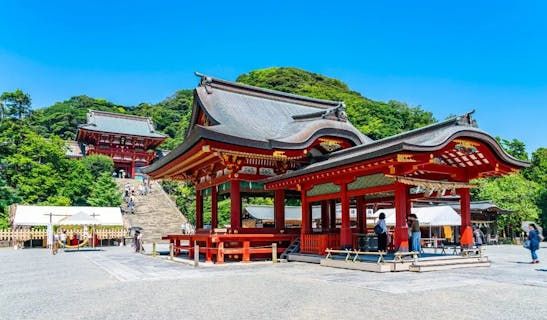
Tsurugaoka Hachimangu Shrine is a perfect starting point for Kamakura sightseeing. It is said to be the guardian deity of the Kamakura samurai and has the benefits of victory and success. Why not visit the shrine at the beginning of the day to increase your chances of success for the day!

Features & How to Enjoy

Classic History

Highlights

Point 1

Climb the Large Stone Steps to the Main Shrine!

Tsurugaoka Hachimangu Shrine Climb the Large Stone Steps to the Main Shrine!
The 61 large stone steps are a symbol of the Tsuruoka Hachimangu Shrine. When you climb them, you'll realize that they're surprisingly steep, so take your time and don't rush. At the top of the steps, you'll find the main shrine, which was rebuilt during the Edo period by the Tokugawa shogunate. It enshrines Emperor Ojin, Hime no Kami, and Empress Jingu. The main shrine is a very valuable building, designated as an important cultural property of the country. The beautiful vermilion-colored shrine has a solemn and wonderful atmosphere.
Point 2

Many People Have Hama-Yumi Arrows!

Tsurugaoka Hachimangu Shrine Many People Have Hama-Yumi Arrows!
Have you ever gotten amulets or charms at a shrine? At Tsurugaoka Hachimangu Shrine, you'll often see people carrying "hama-yumi" arrows. Especially during the New Year's visit, there are people who come to Tsurugaoka Hachimangu Shrine seeking these arrows. It's said that this tradition is based on the national treasure "Kuro Urushi Ya" that was given to Minamoto no Yoritomo when he established the shrine after bringing it from Iwashimizu Hachimangu Shrine in Kyoto. The "Kuro Urushi Ya" is now kept in the Kamakura Treasure Hall.
Point 3

Don't Miss the Traces of the Great Ginkgo Tree!

Tsurugaoka Hachimangu Shrine Don't Miss the Traces of the Great Ginkgo Tree!
Kamakura has been attracting renewed attention thanks to the NHK Taiga Drama "Kamakura-dono no 13-nin", but there is also a story from the Kamakura period about a monk named Kugyo who was hiding behind the great ginkgo tree of Tsurugaoka Hachimangu Shrine when the third shogun of the Kamakura shogunate, Minamoto no Sanetomo, was assassinated. (There is also a theory that this story was created in a later period.) This great ginkgo tree was a symbol of Tsurugaoka Hachimangu Shrine, but unfortunately it fell from its roots in a strong wind in 2010. However, you can still see the transplanted great ginkgo tree, so don't forget to visit and see it!
Point 4

Wakamiya Oji, the approach to the shrine, is also a must-see

Tsurugaoka Hachimangu Shrine Wakamiya Oji, the approach to the shrine, is also a must-see
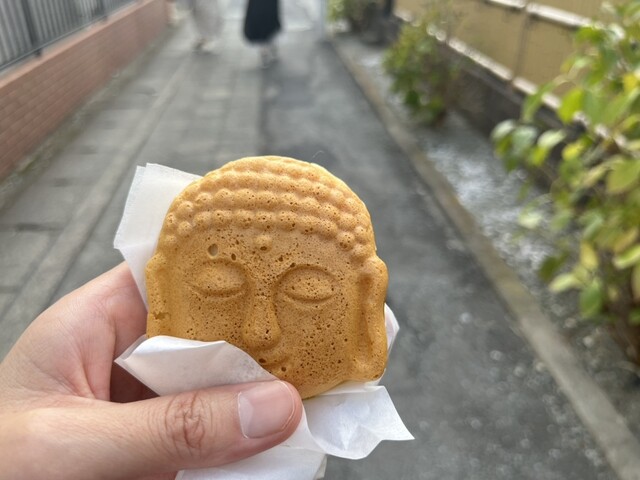
The Wakamiya Oji is a road that stretches about 2 kilometers from Yuigahama Beach to the Hachimangu Shrine of Tsurugaoka Hachimangu Shrine. It is said that Yoritomo, the founder of the Kamakura shogunate, created it in imitation of Kyoto's Suzaku Oji. The town of Kamakura was developed around this Wakamiya Oji. Even today, many shops line the Wakamiya Oji, including the main store of Toyama-ya, famous for its pigeon-shaped sabre cookies. By the way, the "pigeon" in "pigeon sabre" comes from the fact that the character "八" (eight) in Tsurugaoka Hachimangu Shrine looks like two pigeons hugging each other.
Point 5

Enjoy the Journey to Tsurugaoka Hachimangu Shrine

Enjoy the Journey to Tsurugaoka Hachimangu Shrine
There are several streets leading from Kamakura Station to Tsurugaoka Hachimangu Shrine, but the most bustling is Komachi-dori Street. Komachi-dori is lined with many restaurants and souvenir shops, and there are also shops where you can enjoy local specialties such as Shirasu-don, Kamakura croquettes, and Kamakura beer. As it's a staple of Kamakura tourism, why not enjoy it as a set with Tsurugaoka Hachimangu Shrine? However, it's recommended to take the Wakamiya Oji side if you want to avoid the crowds, especially during lunchtime.
See more

History

Tsurugaoka Hachimangu Shrine The Center of Kamakura Culture Founded by Minamoto no Yoritomo
The Center of Kamakura Culture Founded by Minamoto no Yoritomo
This shrine, representing Kamakura, was deeply involved in its founding by Minamoto no Yoritomo, who opened the Kamakura shogunate. Kamakura prospered as the center of the eastern society, and among the Hachiman shrines that enshrine the Hachiman god, Tsurugaoka Hachiman Shrine has been particularly cherished by many warriors. It is also known as the birthplace of samurai culture, such as yabusame. Even today, Tsurugaoka Hachiman Shrine is at the center of Kamakura tourism, and many people start their Kamakura sightseeing from there.

Fee

Tsurugaoka Hachimangu Shrine Admission is Free!
Admission is Free!
Admission is free. It's recommended to offer a donation when visiting. The grounds of Tsurugaoka Hachimangu Shrine are very spacious and include attractions such as the Kamakura Bunka-kan Tsuruoka Museum, Kamakura Treasure Hall, and the Peony Garden. However, please note that these require an entrance fee. Depending on the season, there may also be many food stalls, so it's also a good idea to spend money on street food and other treats!

Access

Tsurugaoka Hachimangu Shrine Walking from Kamakura Station is Recommended!
Walking from Kamakura Station is Recommended!
We recommend walking from Kamakura Station to Tsurugaoka Hachimangu Shrine! It takes about 15 minutes to walk, but Tsurugaoka Hachimangu Shrine is surrounded by many shops centered around Komachi-dori. It's fun to head to Tsurugaoka Hachimangu Shrine while enjoying food and snacks along the way. Although there is a parking lot available, it's not very large. As the roads around Kamakura are often congested, we especially recommend accessing the shrine via Kamakura Station for those who are not used to driving in the area.

Basic Information

Address 2-1-31 Yukinoshita, Kamakura-shi, Kanagawa 248-8588
Business Hours

Monday: 8:00am-8:30pm, Tuesday: 8:00am-8:30pm, Wednesday: 8:00am-8:30pm, Thursday: 8:00am-8:30pm, Friday: 8:00am-8:30pm, Saturday: 8:00am-8:30pm, Sunday: 8:00am-8:30pm

TEL 0467-22-0315
Web Site https://www.hachimangu.or.jp/
Better Visit Together

Recommended Spots

美男におわす大仏様
高徳院(鎌倉大仏)
神奈川県
4.3
History
あじさい寺として人気!
明月院(あじさい寺)
神奈川県
4.3
History
竹林のある名刹
報国寺(竹寺)
神奈川県
4.4
HistoryNature
鎌倉・江ノ島観光で欠かせない!
江ノ電
神奈川県
4
Townscape
鎌倉五山第一位の寺院
建長寺
神奈川県
4.4
History

Nearby Hotels

Gen Hotel Kamakaura
神奈川県
3.5
¥3,696~/person
Hotel Metropolitan Kamakura
神奈川県
4.7
¥8,624~/person
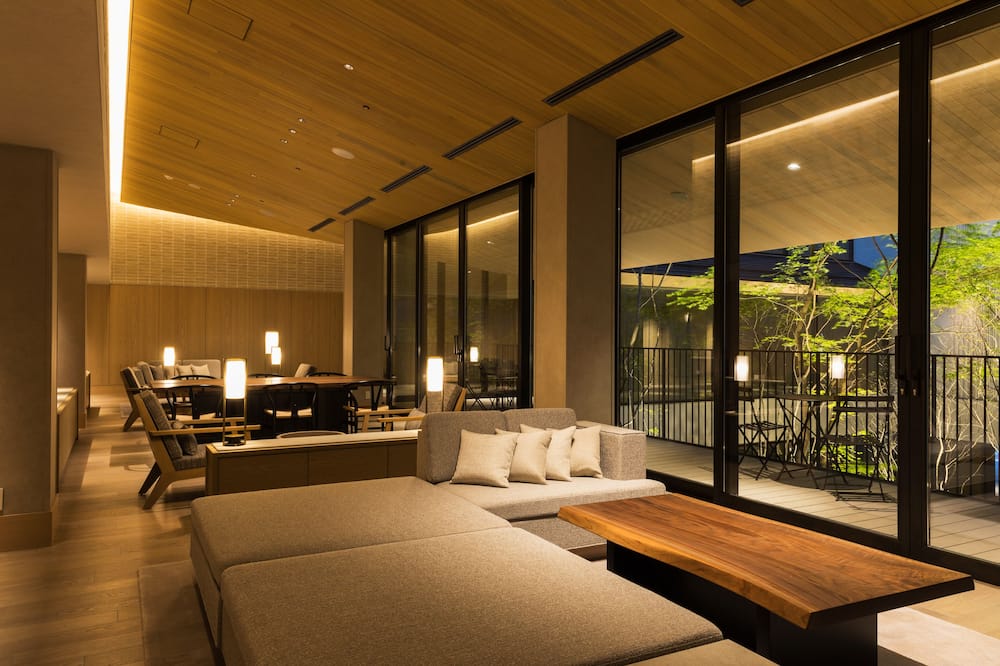
Hotel Kamakura Mori
神奈川県
3.6
¥8,360~/person
神奈川県
4.3
¥11,500~/person
KAMAKURA Hotel
神奈川県
4.5
¥10,000~/person
Tosei Hotel Cocone Kamakura
神奈川県
4
¥4,500~/person
See more

Nearby Activities

鎌倉 人力車のえびす屋 古都や大仏を巡る人力車ツアー予約
神奈川県
¥9,000~/人
【神奈川・鎌倉・和菓子教室】鎌倉駅より徒歩約7分!日本の文化に触れる。練り切り和菓子作り(2個)
神奈川県
¥5,500~/人
【神奈川・鎌倉・ハーバリウム】自分の個性を表現できる小さな芸術。ハーバリウム1個
神奈川県
¥5,000~/人
【神奈川・鎌倉・着物レンタル】和を身に纏い鎌倉散策。着物レンタル&人力車プラン
神奈川県
¥11,556~/人
【鎌倉・着物レンタル】鶴岡八幡宮徒歩5分!ヘアセット付き!イベントや街歩きに!本格着物一式レンタル&着付けプラン!
神奈川県
¥3,278~/人
<学割プラン>【神奈川・鎌倉・着物レンタル】超お得!着物(小紋)なら好きなグレードを選べる&ヘアセット付の女性限定学割プランです!
神奈川県
¥4,950~/人
See more

Nearby Restaurants

食べログ
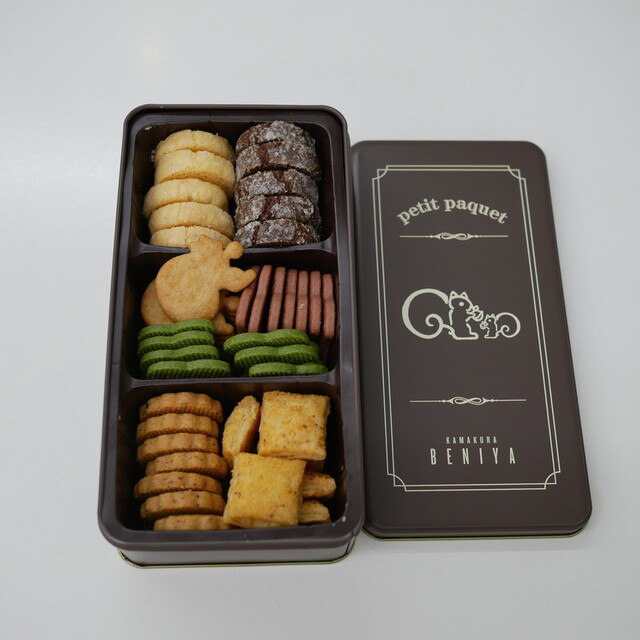
鎌倉紅谷 八幡宮前本店
~¥999
-
3.5
(Tabelog's review)
食べログ
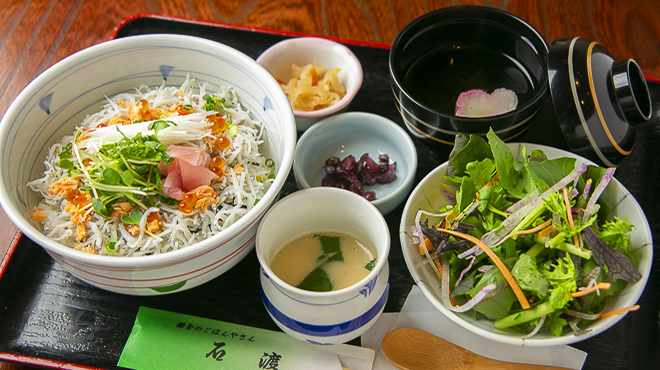
鎌倉のごはんやさん 石渡
¥1,000~¥1,999
-
3.2
(Tabelog's review)
食べログ
DADA
¥1,000~¥1,999
¥2,000~¥2,999
3.6
(Tabelog's review)
食べログ
もみじ茶屋 鎌倉小町通り
¥1,000~¥1,999
¥1,000~¥1,999
3.5
(Tabelog's review)
食べログ
大石
¥4,000~¥4,999
¥10,000~¥14,999
3.6
(Tabelog's review)
食べログ
ともや
~¥999
-
3.4
(Tabelog's review)
Explore the City
鎌倉
神奈川県
4.3
アプリアイコン AIでかんたん!旅行プランが作れる
App Storeでダウンロード Google Playでダウンロード
  • Terms of Use
  • Privacy Policy
  • Company Information
AVA Travel's logo
Login
Sign up
  • Hokkaido
  • Aomori
  • Akita
  • Iwate
  • Miyagi
  • Yamagata
  • Fukushima
  • Tochigi
  • Gunma
  • Ibaraki
  • Saitama
  • Kanagawa
  • Chiba
  • Tokyo
  • Yamanashi
  • Niigata
  • Nagano
  • Shizuoka
  • Aichi
  • Gifu
  • Mie
  • Ishikawa
  • Toyama
  • Fukui
  • Hyogo
  • Wakayama
  • Nara
  • Kyoto
  • Shiga
  • Osaka
  • Okayama
  • Hiroshima
  • Yamaguchi
  • Tottori
  • Shimane
  • Ehime
  • Kagawa
  • Kochi
  • Tokushima
  • Oita
  • Nagasaki
  • Fukuoka
  • Kumamoto
  • Miyazaki
  • Saga
  • Kagoshima
  • Okinawa
  • Sapporo
  • Otaru, Yoichi, & Niseko
  • Hakodate
  • Hirosaki
  • Towada & Okuinse
  • Aomori City Area
  • Tsugaru
  • Morioka
  • Miyagi Zao & Shiroishi
  • Sendai
  • Yamagata, Zao, & Tendo
  • Aizu & Kitakata
  • Utsunomiya
  • Nasu & Shiobara
  • Nikko & Kinugawa
  • Takasaki & Maebashi
  • Shibukawa & Ikaho
  • Kusatsu & Shiga Kogen
  • Oze & Numata
  • Tomioka & Shimonita
  • Kawagoe & Higashimatsuyama
  • Omiya, Urawa, & Kounosu
  • Chichibu & Nagatoro
  • Yokohama
  • Kamakura
  • Motomachi & Chinatown
  • Enoshima & Shonan
  • Hakone
  • Tateyama & Minamiboso
  • Kujukuri
  • Chiba, Urayasu, & Makuhari
  • Kisarazu & Kimitsu
  • Izu Islands & Ogasawara
  • Shibuya, Harajuku, & Omotesando
  • Shinjuku
  • Asakusa & Skytree
  • Lake Kawaguchi & Fujiyoshida
  • Yuzawa, Tsunan, & Tokamachi
  • Nagaoka, Sanjo, & Kashiwazaki
  • Karuizawa
  • Matsumoto, Kamikochi & Shiojiri
  • Nozawa Onsen & Shiga Kogen
  • Izu
  • Gotemba, Fuji & Fujinomiya
  • Atami
  • Nagoya
  • Gero (Gero Onsen)
  • Hida, Takayama, & Shirakawa-go
  • Ise, Shima, and Toba
  • Kanazawa
  • Kobe & Arima (Arima Onsen)
  • Awaji Island
  • Himeji & Ako
  • Nara, Tenri, & Horyuji
  • Uji
  • Gion & Higashiyama
  • Kyoto Station & Kawaramachi
  • Fushimi & Yamashina
  • Arashiyama & Takao
  • Nagahama & Maibara
  • Hikone & Omihachiman
  • Shinsaibashi, Namba, & Tennoji
  • Osaka Bay Area
  • Okayama, Ushimado, & Bizen
  • Kurashiki
  • Himeji
  • Miyajima & Hiroshima City
  • Takehara & Mihara
  • Onomichi
  • Shimonoseki & Sumijima
  • Izumo & Iwami Ginzan
  • Uwajima & Ozu
  • Imabari
  • Matsuyama & Dogo
  • Niihama, Saijo, & Mount Ishizuchi
  • Shimanami
  • Shimanto & Ashizuri
  • Oboke, Ohboke, & Iya Valley
  • Naruto & Tokushima City Area
  • Oita City, Saiki, & Usuki
  • Yufuin
  • Beppu
  • Iki, Tsushima & Goto Islands
  • Itoshima
  • Hakata, Tenjin & Dazaifu
  • Kitakyushu, Moji & Kokura
  • Aso & Kurokawa (Kurokawa Onsen)
  • Kumamoto, Yamaga & Kikuchi
  • Miyazaki, Miyakonojo, & Nichinan
  • Takachiho, Nobeoka, & Hyuga
  • Amami & Yoron
  • Yakushima
  • Ibusuki, Chiran & Makurazaki
  • Kagoshima, Sakurajima & Kirishima
  • Onna Village & Central Okinawa
  • Kumejima & Kerama
  • Miyakojima
  • Iriomote Island, Taketomi Island, & Kohama Island
  • Ishigaki Island
  • Naha & Southern Okinawa
  • Utoro Onsen
  • Tokachigawa Onsen
  • Jozankei Onsen
  • Toyako Onsen
  • Noboribetsu Onsen
  • Yukawa Onsen
  • Sukayu Onsen
  • Nyuto Onsen
  • Higashiyama Onsen
  • Shiobara Onsen
  • Kinugawa Onsen
  • Nikko Onsen
  • Yugawara Onsen
  • Hakoneyumoto Onsen
  • Owakudani Onsen
  • Gero Onsen
  • Nibukawa Onsen
  • Ureshino Onsen
  • Yufuin Onsen
  • Beppu Onsen
  • Kurokawa Onsen
  • Jigoku Onsen
  • Ibusuki Onsen

Copyright (c) AVA Intelligence Inc. All Rights Reserved.