AVA Travel's logo
English
日本語
English
中文繁體
Top PageList of SpotsKansaiWakayamaMount Koya & KudoyamaDanjo Garan
TOP
1/3
Show All Image

Danjo Garan

和歌山県
4.5
Tourist Information of This Area
general.prefecture.
The founding place of Koyasan. One of the two holy sites of Koyasan.
Along with Okunoin, it is said to be the second holy site of Koyasan. When Kobo Daishi founded Koyasan, this was the first place he started to develop. The grounds are home to buildings such as the Konpon Daito and the Kondo, and can be said to be a symbol of Koyasan.

Features & How to Enjoy

Classic History

Highlights

Point 1

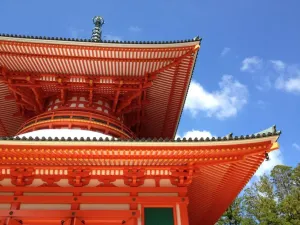
The Fundamental Pagoda Embodies the Teachings of Shingon Esoteric Buddhism!

Danjo Garan The Fundamental Pagoda Embodies the Teachings of Shingon Esoteric Buddhism!
Located within the Danjo Garan complex, the Fundamental Pagoda is a symbolic building that embodies the teachings of Shingon Esoteric Buddhism. Standing at approximately 50 meters tall, this tower is the central figure of Koyasan and plays an important role as an object of worship. Inside the Fundamental Pagoda, a three-dimensional mandala world spreads out. A mandala is a painting or image based on esoteric Buddhist thought that expresses the laws of the universe and the teachings of Buddhism. Upon entering the Fundamental Pagoda, you can experience the world of the mandala through the intricately carved and decorated walls. The Fundamental Pagoda is a symbolic presence of Koyasan and attracts many visitors and believers as an object of worship. Its magnificent appearance and three-dimensional mandala world inside are a beautiful expression that combines sophisticated craftsmanship and the teachings of esoteric Buddhism. When visiting the Danjo Garan, be sure to visit the Fundamental Pagoda and experience its sacred atmosphere and beauty!
Point 2

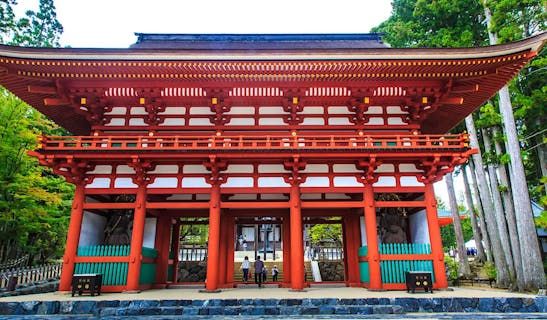
The Magnificent and Solemn Chumon Gate!

Danjo Garan The Magnificent and Solemn Chumon Gate!
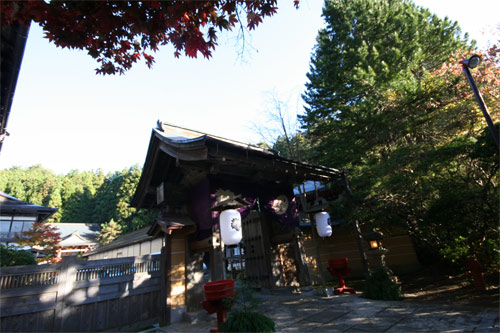
The Chumon Gate of the Danjo Garan is located in front of the main hall of the Kondo, and stands as a two-story, five-bay tower gate. The gate was destroyed in a fire in 1843, but was rebuilt in 2014 to celebrate the 1200th anniversary of the founding of Koyasan. Inside the gate, the Mokoku Ten and Tamon Ten statues, originally enshrined in the gate, were once again enshrined, and at the same time, the Zochoten and Kokuzo Bosatsu statues were newly created. These Buddhist statues were spared from the fire and were carefully re-enshrined during the rebuilding process. Currently, the gate is guarded by the Shitennou statues, watching over the entire Garan. Its magnificent appearance and the presence of the rebuilt Buddhist statues symbolize the depth of history and faith of the Danjo Garan. For visitors, the Chumon Gate is a place of grand scale and solemn atmosphere. When you visit the Danjo Garan, please feel the beauty and historical significance of the Chumon Gate!
Point 3

The Main Hall and Golden Hall of Koyasan

Danjo Garan The Main Hall and Golden Hall of Koyasan
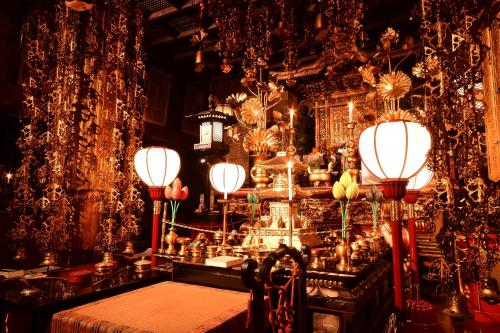
The Golden Hall of the Danjo Garan is considered the main hall of Koyasan as a whole. Originally constructed by Kobo Daishi (also known as Kukai) during the founding of Koyasan, it was called the "Kodo" in ancient times. However, from the mid-Heian period, it began to play an important role as the main hall. The current Golden Hall was completed in 1932 after seven reconstructions. Inside, there are wall paintings by Kimura Takesan, a disciple of Okakura Tenshin. The grand scale and fine coloring techniques express the teachings of Buddhism and the sacred world. Additionally, the main statue of the Golden Hall, the Acala Buddha, was created by Takamura Ko-un, a Buddhist sculptor who introduced modern wood carving techniques and had a great influence on the world of wood carving. Its delicate carving technique and beautiful expression fascinate many visitors. The Golden Hall is the central presence of Koyasan, embodying the faith of Buddhism and its historical value. For visitors, the Golden Hall is a place where solemn atmosphere and beautiful works of art are harmonized. Please visit the Golden Hall and experience its majestic appearance and rich spirituality!
Point 4

Beautiful Snake-Like Road with a Tunnel of Autumn Leaves!

Danjo Garan Beautiful Snake-Like Road with a Tunnel of Autumn Leaves!
The snake-like road of Danjo Garan is a path that extends from the entrance of Danjo Garan to the east side of the east tower. The name comes from the fact that when Kukai, also known as Kobo Daishi, compared Danjo Garan to a lying dragon, the path corresponds to the belly of the dragon, hence the name "snake-like road". Especially in the autumn season, a beautiful tunnel of autumn leaves covers the snake-like road. The sight is a vivid and stunning view that seems to fill the sky, captivating visitors. Passing through the tunnel of autumn leaves feels like entering a different world with a fantastic landscape. The snake-like road is known not only as an approach to Danjo Garan but also as a spot to enjoy the beauty of nature in each season. Walking along the path, you can enjoy the scenery of each season and give visitors a sense of peace and inspiration.
Point 5

The Grand Bell that Resonates with a Profound Sound in Koyasan

Danjo Garan The Grand Bell that Resonates with a Profound Sound in Koyasan
The bell in the grand tower of the Danjo Garan was cast at the request of Kobo Daishi and completed during the Jichin Daishi era. However, the bell tower suffered from several fires and was recast three times. The current copper bell was completed in 1547 and was the fourth largest bell in Japan at the time, with a diameter of 2.12 meters. As a result, the bell came to be known as "Koyashiro." Even today, the bell in the grand tower of the Danjo Garan resonates with the sound of the bell five times a day at 4 a.m., 1 p.m., 5 p.m., 9 p.m., and 11 p.m. This serves as a traditional time signal, informing local people and visitors of the time, as well as playing a role in calming and enlightening the spirit. Its profound sound echoes through the quiet mountains, creating a solemn atmosphere. By listening to the sound of the bell, one's heart is purified, and one can feel the weight of Koyasan's spirituality and history. When you visit the Danjo Garan, why not listen carefully to the sound of the grand tower's bell?
See more

Sightseeing

Danjo Garan A Major Holy Site of Koyasan, First Constructed by Kukai
A Major Holy Site of Koyasan, First Constructed by Kukai
The Danjo Garan is a major holy site of Koyasan and the location where Kukai, also known as Kobo Daishi, first constructed when he founded Koyasan. Along with the Okunoin, it is known as one of the two important holy sites representing Koyasan. The Danjo Garan is said to embody the world view of mandalas based on esoteric Buddhism, and it consists of 19 various halls, including the Konpon Daito, which is the main hall of Koyasan, and the 48.5-meter-tall symbol of Koyasan, the Konpon Daito. These buildings have the characteristics of profound and beautiful Buddhist architecture and contain deep meanings of history and religion. The Danjo Garan is visited by many people as a pilgrimage site to deepen their faith. Its sacred atmosphere and beautiful buildings provide a tranquil place for visitors. For those interested in the history and Buddhist culture of Koyasan, the Danjo Garan is a must-see spot!

Access

Access in about 40 minutes by car from Kibukatsuragi IC!
To access Danjo Garan by public transportation, first take the Koyasan Cable to Koyasan Station. The Koyasan Cable is connected to the Nankai Rinkan Bus, so take the Nankai Rinkan Bus bound for Daimon from Koyasan Station. The journey takes about 14 minutes. The bus stop is "Kondo-mae," and you will arrive at Danjo Garan as soon as you get off here. If you are using a private car, you can reach Danjo Garan in about 50 minutes via Route 480 from the Katsuragi Nishi IC on the Kinki Expressway, which is about 27 km away. Another route is to access it in about 40 minutes by car from the Kibukatsuragi IC on the Kinki Expressway.

Basic Information

Address 152 Koyasan, Koyacho, Ito District, Wakayama 648-0211
Business Hours

8時30分~17時00分

TEL 0736-56-3215
Web Site https://www.koyasan.or.jp/meguru/sights.html#danjogaran
Better Visit Together

Recommended Spots

高さ50mの朱色の大塔!
根本大塔
和歌山県
4.5
History
「日本の総菩提所」と呼ばれる参拝地!
奥之院
和歌山県
4.7
History
1200年以上の歴史がある仏教の聖地
金剛峯寺
和歌山県
4.5
History

Nearby Hotels

Koyasan Saizenin
和歌山県
4
¥6,000~/person
Koyasan Syukubo Zofukuin
和歌山県
3
¥6,600~/person
Shukubo Youchiin
和歌山県
4.5
¥7,150~/person
Sojiin
和歌山県
4.4
¥8,550~/person
和歌山県
4.6
¥12,000~/person
Jokiin
和歌山県
4.1
¥8,500~/person
See more

Nearby Activities

【和歌山・高野山・ナイトツアー】高野山在住の僧侶や案内人がご案内!夜の奥之院ツアー
和歌山県
¥3,780~/人
【和歌山・手作りアクセサリー】パワースポット・高野山で数珠を作ろう
和歌山県
¥4,500~/人
ホテルのせ川 電子前売りチケット(入浴券+タオルセット)
和歌山県
¥800~/人
【和歌山・テントサウナ】25mプールで整う!学校でテントサウナ!
和歌山県
¥10,000~/人
【奈良・五條・ラフティング】清流で思いきり遊ぼう!奈良吉野川ラフティングツアー
和歌山県
¥6,600~/人
【奈良・五條・自然体験】吉野川の大自然でととのう体験2時間!テントサウナ体験
和歌山県
¥11,000~/人
See more

Nearby Restaurants

食べログ
心星
~¥999
-
3.1
(Tabelog's review)
食べログ
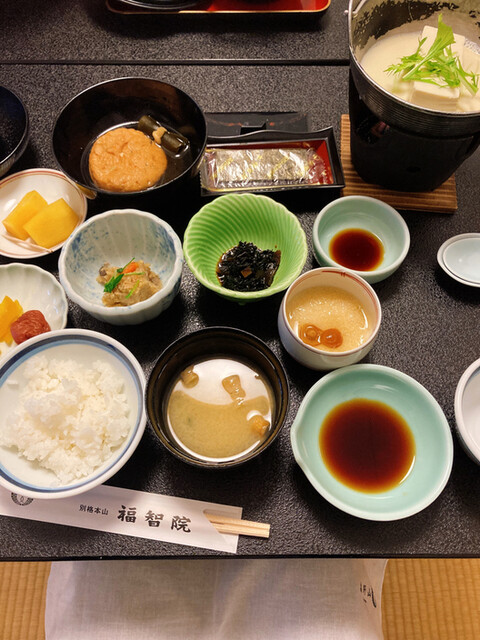
福智院
¥10,000~¥14,999
¥10,000~¥14,999
3.4
(Tabelog's review)
食べログ
角濱ごまとうふ総本舗 飲食部門
¥1,000~¥1,999
-
3.5
(Tabelog's review)
食べログ
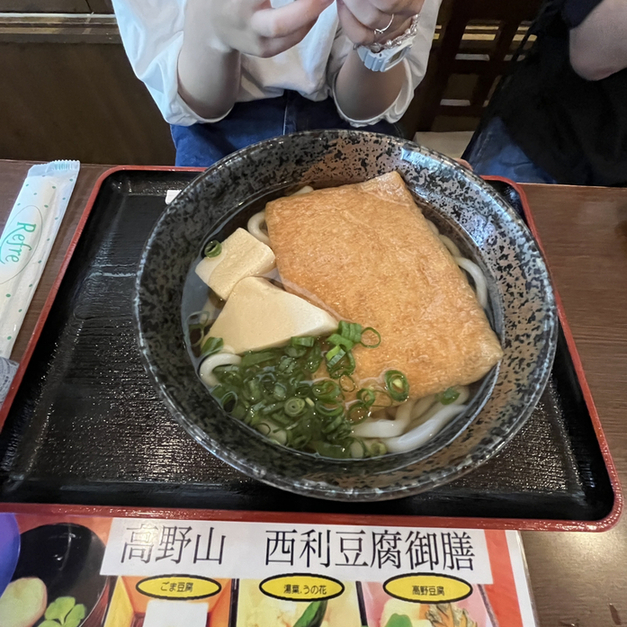
西利
¥1,000~¥1,999
-
3
(Tabelog's review)
食べログ
麩善 本店
-
-
3.5
(Tabelog's review)
食べログ
つくも食堂
¥1,000~¥1,999
-
3.5
(Tabelog's review)
Explore the City
高野山・九度山
和歌山県
4.6
アプリアイコン AIでかんたん!旅行プランが作れる
App Storeでダウンロード Google Playでダウンロード
  • Terms of Use
  • Privacy Policy
  • Company Information
AVA Travel's logo
Login
Sign up
  • Hokkaido
  • Aomori
  • Akita
  • Iwate
  • Miyagi
  • Yamagata
  • Fukushima
  • Tochigi
  • Gunma
  • Ibaraki
  • Saitama
  • Kanagawa
  • Chiba
  • Tokyo
  • Yamanashi
  • Niigata
  • Nagano
  • Shizuoka
  • Aichi
  • Gifu
  • Mie
  • Ishikawa
  • Toyama
  • Fukui
  • Hyogo
  • Wakayama
  • Nara
  • Kyoto
  • Shiga
  • Osaka
  • Okayama
  • Hiroshima
  • Yamaguchi
  • Tottori
  • Shimane
  • Ehime
  • Kagawa
  • Kochi
  • Tokushima
  • Oita
  • Nagasaki
  • Fukuoka
  • Kumamoto
  • Miyazaki
  • Saga
  • Kagoshima
  • Okinawa
  • Sapporo
  • Otaru, Yoichi, & Niseko
  • Hakodate
  • Hirosaki
  • Towada & Okuinse
  • Aomori City Area
  • Tsugaru
  • Morioka
  • Miyagi Zao & Shiroishi
  • Sendai
  • Yamagata, Zao, & Tendo
  • Aizu & Kitakata
  • Utsunomiya
  • Nasu & Shiobara
  • Nikko & Kinugawa
  • Takasaki & Maebashi
  • Shibukawa & Ikaho
  • Kusatsu & Shiga Kogen
  • Oze & Numata
  • Tomioka & Shimonita
  • Kawagoe & Higashimatsuyama
  • Omiya, Urawa, & Kounosu
  • Chichibu & Nagatoro
  • Yokohama
  • Kamakura
  • Motomachi & Chinatown
  • Enoshima & Shonan
  • Hakone
  • Tateyama & Minamiboso
  • Kujukuri
  • Chiba, Urayasu, & Makuhari
  • Kisarazu & Kimitsu
  • Izu Islands & Ogasawara
  • Shibuya, Harajuku, & Omotesando
  • Shinjuku
  • Asakusa & Skytree
  • Lake Kawaguchi & Fujiyoshida
  • Yuzawa, Tsunan, & Tokamachi
  • Nagaoka, Sanjo, & Kashiwazaki
  • Karuizawa
  • Matsumoto, Kamikochi & Shiojiri
  • Nozawa Onsen & Shiga Kogen
  • Izu
  • Gotemba, Fuji & Fujinomiya
  • Atami
  • Nagoya
  • Gero (Gero Onsen)
  • Hida, Takayama, & Shirakawa-go
  • Ise, Shima, and Toba
  • Kanazawa
  • Kobe & Arima (Arima Onsen)
  • Awaji Island
  • Himeji & Ako
  • Nara, Tenri, & Horyuji
  • Uji
  • Gion & Higashiyama
  • Kyoto Station & Kawaramachi
  • Fushimi & Yamashina
  • Arashiyama & Takao
  • Nagahama & Maibara
  • Hikone & Omihachiman
  • Shinsaibashi, Namba, & Tennoji
  • Osaka Bay Area
  • Okayama, Ushimado, & Bizen
  • Kurashiki
  • Himeji
  • Miyajima & Hiroshima City
  • Takehara & Mihara
  • Onomichi
  • Shimonoseki & Sumijima
  • Izumo & Iwami Ginzan
  • Uwajima & Ozu
  • Imabari
  • Matsuyama & Dogo
  • Niihama, Saijo, & Mount Ishizuchi
  • Shimanami
  • Shimanto & Ashizuri
  • Oboke, Ohboke, & Iya Valley
  • Naruto & Tokushima City Area
  • Oita City, Saiki, & Usuki
  • Yufuin
  • Beppu
  • Iki, Tsushima & Goto Islands
  • Itoshima
  • Hakata, Tenjin & Dazaifu
  • Kitakyushu, Moji & Kokura
  • Aso & Kurokawa (Kurokawa Onsen)
  • Kumamoto, Yamaga & Kikuchi
  • Miyazaki, Miyakonojo, & Nichinan
  • Takachiho, Nobeoka, & Hyuga
  • Amami & Yoron
  • Yakushima
  • Ibusuki, Chiran & Makurazaki
  • Kagoshima, Sakurajima & Kirishima
  • Onna Village & Central Okinawa
  • Kumejima & Kerama
  • Miyakojima
  • Iriomote Island, Taketomi Island, & Kohama Island
  • Ishigaki Island
  • Naha & Southern Okinawa
  • Utoro Onsen
  • Tokachigawa Onsen
  • Jozankei Onsen
  • Toyako Onsen
  • Noboribetsu Onsen
  • Yukawa Onsen
  • Sukayu Onsen
  • Nyuto Onsen
  • Higashiyama Onsen
  • Shiobara Onsen
  • Kinugawa Onsen
  • Nikko Onsen
  • Yugawara Onsen
  • Hakoneyumoto Onsen
  • Owakudani Onsen
  • Gero Onsen
  • Nibukawa Onsen
  • Ureshino Onsen
  • Yufuin Onsen
  • Beppu Onsen
  • Kurokawa Onsen
  • Jigoku Onsen
  • Ibusuki Onsen

Copyright (c) AVA Intelligence Inc. All Rights Reserved.