AVA Travel's logo
English
日本語
English
中文繁體
Top PageList of SpotsKansaiKyotoNagaokakyo & YawataIshiyama Hachimangu Shrine
TOP
1/3
Show All Image

Ishiyama Hachimangu Shrine

京都府
4.4
Tourist Information of This Area
general.prefecture.
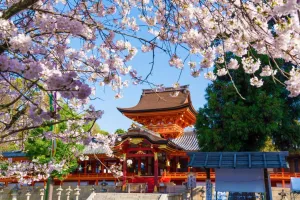
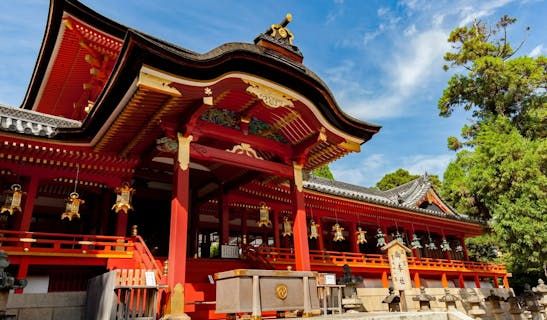
Designated as a national treasure, this shrine has a Hachiman-style main hall.
This shrine, which has been around since the Heian period, is affectionately known as Hachimansan. The shrine's rare Hachiman-style architecture has been designated as a national treasure. If you take the cable car on your way to worship, you can enjoy the scenery of Kyoto Rakunan, including the Kizu River.

Features & How to Enjoy

Classic History

Highlights

Point 1

Visit Isekiyama Hachimangu Shrine

Ishiyama Hachimangu Shrine Visit Isekiyama Hachimangu Shrine
Isekiyama Hachimangu Shrine is the head shrine of all Hachimangu Shrines in Japan and is deeply connected to Japan's history and culture. The historic shrine was founded in 859 and boasts impressive structures such as the main hall and worship hall, designated as national treasures, and the Tang-style gate, designated as an important cultural property. There are various blessings to be expected, such as good luck, warding off evil, success, and good fortune, so be sure to visit the main hall first upon arrival.
Point 2

Access to Isekiyama Hachimangu Shrine by Cable Car

Ishiyama Hachimangu Shrine Access to Isekiyama Hachimangu Shrine by Cable Car
It's a 10-minute walk from Isekiyama Hachimangu Shrine Station, the nearest station, to the shrine, but if you've come all the way for sightseeing, we recommend using the cable car located along the approach. The cable car offers the attraction of a scenic view of the famous cherry blossom spot, Sewari-tei, and a panoramic view of the entire city of Hachiman. The fare is reasonable at 600 yen for adults and 300 yen for children for a round trip. It takes about 3 minutes to reach the mountaintop, making it perfect for those who want to sightsee efficiently.
Point 3

Tourist Spots around Isekiyama Hachimangu Shrine

Ishiyama Hachimangu Shrine Tourist Spots around Isekiyama Hachimangu Shrine
There are a variety of tourist spots around Isekiyama Hachimangu Shrine, such as Otokoyama, a famous cherry blossom viewing spot, and Shokado Garden and Art Museum. The Hachiman City Tourist Association also introduces various tourist spots on the Omote-sando and Ura-sando, so you can enjoy a day of sightseeing along with a visit to Isekiyama Hachimangu Shrine. When touring Hachiman City, if you plan around a visit to Isekiyama Hachimangu Shrine as your main base, you should be able to consider the surrounding areas and courses.
Point 4

Events to Enjoy at Isekiyamahachimangu Shrine

Ishiyama Hachimangu Shrine Events to Enjoy at Isekiyamahachimangu Shrine
Throughout the year, various events are held at Isekiyamahachimangu Shrine. One of these events is the "Gochinzouhoujyousai" festival, which celebrates the enshrinement of the deity. Many people visit to worship and watch performances such as Heian court music on the special stage set up in front of the main hall. In spring, the "Otokayama Sakura Festival" is also held, where visitors can enjoy the cherry blossoms in full bloom on Mt. Otokayama where Isekiyamahachimangu Shrine is located. The charm of Isekiyamahachimangu Shrine is not only in admiring its historic architecture, but also in the various ways to enjoy each event.
Point 5

Off-the-Beaten-Path Spots at Ise Grand Shrine

Ishiyama Hachimangu Shrine Off-the-Beaten-Path Spots at Ise Grand Shrine
In addition to the main hall, which is designated as a national treasure, there are several must-see spots at Ise Grand Shrine. For example, there is the "Hitotsuishi," which is said to be a power spot for good luck in competitions, and the "Shokado," which is said to be the origin of the Shokado bento. These spots, in addition to the main attractions, are all very charming. When visiting, it's recommended to explore every nook and cranny while looking at the map of the shrine.
See more

History

Shrine with Over 1,000 Years of History
Ishiyama-dera Hachiman-gu Shrine was established by a monk named Gyoki from Todai-ji Temple during the early Heian period, after he received a divine message to do so from Usa Hachiman-gu Shrine. Locals affectionately refer to it as "Yawata no Hachimansan," and it has been beloved by many people for over 1,000 years of history. At the beginning of the Meiji era, it was renamed "Otokoyama Hachiman-gu Shrine," but in the Taisho era, it was returned to its original and venerable name, "Ishiyama-dera Hachiman-gu Shrine," and remains so today.

Basic Information

Address 30 Hachiman Takabo, Yawata City, Kyoto Prefecture 614-8588
Business Hours

The shrine has a main hall built in the Hachiman style, which has been designated as a national treasure.

TEL 075-981-3001
Web Site http://www.iwashimizu.or.jp/top.php
Better Visit Together

Recommended Spots

自由に落書きOKのお寺
単伝庵(らくがき寺)
京都府
3.8
History
石清水八幡宮周辺を一望
男山展望台
京都府
4.2
View
美しい庭園と歴史ある建築
泰勝寺
京都府
3.8
History

Nearby Hotels

京都府
3
¥7,000~/person
BOND - Hostel
京都府
3.6
¥2,000~/person
Yodo Castle Inn
京都府
3.8
¥5,301~/person
CHIKUYOAN
京都府
4.7
¥6,000~/person
Family Lodge Hatagoya Osaka Hirakata
京都府
4.4
¥2,888~/person
京都府
3.7
¥4,900~/person
See more

Nearby Activities

【平日・300円OFF】スクスク未就学児1日遊び放題 キッズランドUS 京都八幡店
京都府
¥700~/人
【休日・200円OFF】こども3時間遊び放題 キッズランドUS 京都八幡店
京都府
¥1,100~/人
【平日・200円OFF】小学生1日遊び放題 キッズランドUS 京都八幡店
京都府
¥800~/人
【土日祝・10.7%割引】SPA&HOTEL水春 松井山手クーポン(入館+岩盤浴+リクライナー利用)
京都府
¥2,750~/人
【平日・12.5%割引】SPA&HOTEL水春 松井山手 クーポン(入館+岩盤浴+リクライナー利用)
京都府
¥2,310~/人
【京都府・京都市・ヘリコプター遊覧】ゆったり堪能。ヘリコプターで空の旅(20分)
京都府
¥23,400~/人
See more

Nearby Restaurants

食べログ
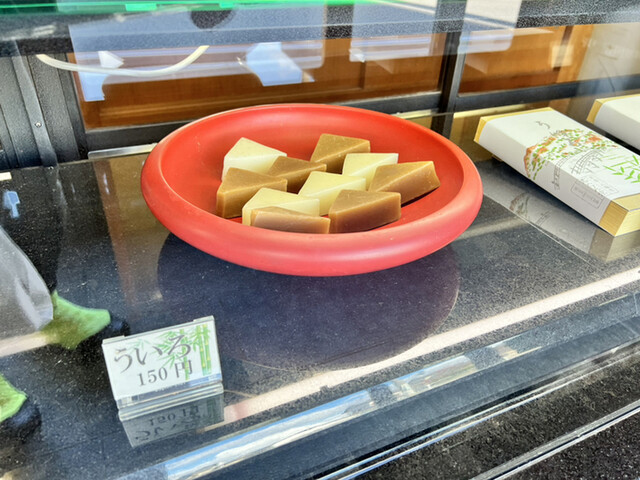
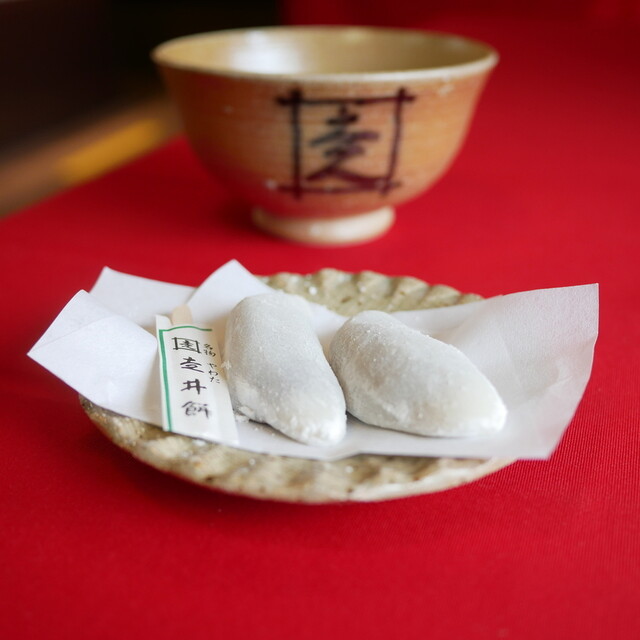
走井餅老舗 石清水八幡宮境内店
-
-
3.2
(Tabelog's review)
鳩茶屋
-
-
3
(Tabelog's review)
食べログ
みささ堂
-
-
3.1
(Tabelog's review)
食べログ
小谷食堂
~¥999
-
3.5
(Tabelog's review)
食べログ
志゙ばん宗
-
-
3.4
(Tabelog's review)
食べログ
走井餅老舗
¥1,000~¥1,999
-
3.6
(Tabelog's review)
Explore the City
長岡京・八幡
京都府
4.3
アプリアイコン AIでかんたん!旅行プランが作れる
App Storeでダウンロード Google Playでダウンロード
  • Terms of Use
  • Privacy Policy
  • Company Information
AVA Travel's logo
Login
Sign up
  • Hokkaido
  • Aomori
  • Akita
  • Iwate
  • Miyagi
  • Yamagata
  • Fukushima
  • Tochigi
  • Gunma
  • Ibaraki
  • Saitama
  • Kanagawa
  • Chiba
  • Tokyo
  • Yamanashi
  • Niigata
  • Nagano
  • Shizuoka
  • Aichi
  • Gifu
  • Mie
  • Ishikawa
  • Toyama
  • Fukui
  • Hyogo
  • Wakayama
  • Nara
  • Kyoto
  • Shiga
  • Osaka
  • Okayama
  • Hiroshima
  • Yamaguchi
  • Tottori
  • Shimane
  • Ehime
  • Kagawa
  • Kochi
  • Tokushima
  • Oita
  • Nagasaki
  • Fukuoka
  • Kumamoto
  • Miyazaki
  • Saga
  • Kagoshima
  • Okinawa
  • Sapporo
  • Otaru, Yoichi, & Niseko
  • Hakodate
  • Hirosaki
  • Towada & Okuinse
  • Aomori City Area
  • Tsugaru
  • Morioka
  • Miyagi Zao & Shiroishi
  • Sendai
  • Yamagata, Zao, & Tendo
  • Aizu & Kitakata
  • Utsunomiya
  • Nasu & Shiobara
  • Nikko & Kinugawa
  • Takasaki & Maebashi
  • Shibukawa & Ikaho
  • Kusatsu & Shiga Kogen
  • Oze & Numata
  • Tomioka & Shimonita
  • Kawagoe & Higashimatsuyama
  • Omiya, Urawa, & Kounosu
  • Chichibu & Nagatoro
  • Yokohama
  • Kamakura
  • Motomachi & Chinatown
  • Enoshima & Shonan
  • Hakone
  • Tateyama & Minamiboso
  • Kujukuri
  • Chiba, Urayasu, & Makuhari
  • Kisarazu & Kimitsu
  • Izu Islands & Ogasawara
  • Shibuya, Harajuku, & Omotesando
  • Shinjuku
  • Asakusa & Skytree
  • Lake Kawaguchi & Fujiyoshida
  • Yuzawa, Tsunan, & Tokamachi
  • Nagaoka, Sanjo, & Kashiwazaki
  • Karuizawa
  • Matsumoto, Kamikochi & Shiojiri
  • Nozawa Onsen & Shiga Kogen
  • Izu
  • Gotemba, Fuji & Fujinomiya
  • Atami
  • Nagoya
  • Gero (Gero Onsen)
  • Hida, Takayama, & Shirakawa-go
  • Ise, Shima, and Toba
  • Kanazawa
  • Kobe & Arima (Arima Onsen)
  • Awaji Island
  • Himeji & Ako
  • Nara, Tenri, & Horyuji
  • Uji
  • Gion & Higashiyama
  • Kyoto Station & Kawaramachi
  • Fushimi & Yamashina
  • Arashiyama & Takao
  • Nagahama & Maibara
  • Hikone & Omihachiman
  • Shinsaibashi, Namba, & Tennoji
  • Osaka Bay Area
  • Okayama, Ushimado, & Bizen
  • Kurashiki
  • Himeji
  • Miyajima & Hiroshima City
  • Takehara & Mihara
  • Onomichi
  • Shimonoseki & Sumijima
  • Izumo & Iwami Ginzan
  • Uwajima & Ozu
  • Imabari
  • Matsuyama & Dogo
  • Niihama, Saijo, & Mount Ishizuchi
  • Shimanami
  • Shimanto & Ashizuri
  • Oboke, Ohboke, & Iya Valley
  • Naruto & Tokushima City Area
  • Oita City, Saiki, & Usuki
  • Yufuin
  • Beppu
  • Iki, Tsushima & Goto Islands
  • Itoshima
  • Hakata, Tenjin & Dazaifu
  • Kitakyushu, Moji & Kokura
  • Aso & Kurokawa (Kurokawa Onsen)
  • Kumamoto, Yamaga & Kikuchi
  • Miyazaki, Miyakonojo, & Nichinan
  • Takachiho, Nobeoka, & Hyuga
  • Amami & Yoron
  • Yakushima
  • Ibusuki, Chiran & Makurazaki
  • Kagoshima, Sakurajima & Kirishima
  • Onna Village & Central Okinawa
  • Kumejima & Kerama
  • Miyakojima
  • Iriomote Island, Taketomi Island, & Kohama Island
  • Ishigaki Island
  • Naha & Southern Okinawa
  • Utoro Onsen
  • Tokachigawa Onsen
  • Jozankei Onsen
  • Toyako Onsen
  • Noboribetsu Onsen
  • Yukawa Onsen
  • Sukayu Onsen
  • Nyuto Onsen
  • Higashiyama Onsen
  • Shiobara Onsen
  • Kinugawa Onsen
  • Nikko Onsen
  • Yugawara Onsen
  • Hakoneyumoto Onsen
  • Owakudani Onsen
  • Gero Onsen
  • Nibukawa Onsen
  • Ureshino Onsen
  • Yufuin Onsen
  • Beppu Onsen
  • Kurokawa Onsen
  • Jigoku Onsen
  • Ibusuki Onsen

Copyright (c) AVA Intelligence Inc. All Rights Reserved.