AVA Travel's logo
English
日本語
English
中文繁體
Top PageList of SpotsKansaiKyotoKyotanabe & KizugawaKaisan Temple
TOP
1/3
Show All Image

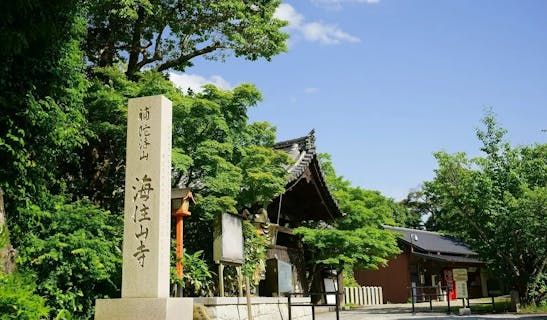
Kaisan Temple

京都府
Tourist Information of This Area
general.prefecture.
A temple of the Shingon sect Chisan school located on the north bank of the Kizugawa River.
Kaisan Temple is a temple of the Shingon sect Chisan school located on the north bank of the Kizu River, founded in the Nara period. The five-story pagoda towering in the precincts is a national treasure created in the Kamakura period. Let's appreciate the seasonal scenery and historical architecture in this ancient temple deep in the mountains.

Features & How to Enjoy

Classic History

Highlights

Point 1

A Five-Story Pagoda of Historical Value and Beautiful Architectural Style!

Kaisan Temple A Five-Story Pagoda of Historical Value and Beautiful Architectural Style!
The five-story pagoda at Kaijusenji Temple is a national treasure built during the Kamakura period. Although it is not very tall, standing at only 18 meters, it is unique in that it has a skirt roof on the first floor, a feature only found in Kaijusenji Temple and Horyuji Temple in Nara among the remaining five-story pagodas. The construction was carried out by Jishin, who succeeded Teikei, in the second year of Kenpo (1214). The five-story pagoda at Kaijusenji Temple is beloved by many for its historical value and beautiful architectural style. Every year in late October, the interior is open to the public, attracting many worshippers and tourists. Seeing this beautiful ancient structure is a wonderful experience that allows you to touch upon Japan's history and culture!
Point 2

Feel the Beauty of Ancient Buddhist Culture at Monju-do Hall!

Kaisan Temple Feel the Beauty of Ancient Buddhist Culture at Monju-do Hall!
Monju-do Hall at Kaizan-ji Temple is a small hall with a three-bay by two-bay structure located north of the main hall. Although the current roof is made of copper plates, it is believed to have originally been thatched with hinoki bark. The hall was named "Monju-do" because a statue of Monju Bosatsu riding an elephant from the early modern period was enshrined there. However, the memorial prayer for the 13th anniversary of Teikei's death mentions the construction of a sutra repository, which is believed to refer to this hall. Monju-do Hall at Kaizan-ji Temple is a precious place where you can appreciate the beautiful Buddhist statues of ancient times. It is loved by many worshippers and culture enthusiasts for the historical cultural heritage and Buddhist art inside the temple. Along with the scenery and historical buildings around the main hall, it will give visitors a deep sense of awe and tranquility.
Point 3

The Main Hall, Home to Precious Buddhist Statues!

Kaisan Temple The Main Hall, Home to Precious Buddhist Statues!
The main hall of Kaizan Temple is an important location where precious Buddhist statues are enshrined. Inside the main hall, there are enshrined statues such as the "Eleven-faced Kannon Bodhisattva statue" and the "Four Heavenly Kings statue". It's especially recommended as there are few visitors, allowing you to take your time and enjoy the tour. Kaizan Temple has a long history and houses numerous temple treasures, some of which are open to the public twice a year during special exhibitions (late April to early May and late October to November). The main hall is a valuable place to appreciate beautiful Buddhist statues and important cultural heritage, providing an excellent opportunity to experience Japanese Buddhist culture. For those interested in history and art, the main hall of Kaizan Temple is a must-see spot!
Point 4

Enjoy a Beautiful View from Behind the Main Hall

Kaisan Temple Enjoy a Beautiful View from Behind the Main Hall
Kaizan Temple is located on the mountainside, up a steep slope. In particular, from behind the main hall, you can enjoy a beautiful view of the area formerly known as "Kanahara." As it is located on the mountainside, it has a location like an observatory, with a rich natural and rural landscape spreading out. Especially in spring and autumn, you can enjoy beautiful scenery throughout the four seasons. The view from Kaizan Temple is a luxurious experience where you can feel nature peacefully in a quiet environment. For visitors, the beautiful scenery woven by the mountains will make you forget the hustle and bustle of everyday life!
Point 5

The Largest Yamamomo Tree in Kyoto Prefecture!

Kaisan Temple The Largest Yamamomo Tree in Kyoto Prefecture!
At Kaijusenji Temple, there is a splendid Yamamomo tree. This large tree, which grows in the temple's mountain forest, has taken root at Kaijusenji Temple. The branches of this particularly large Yamamomo tree spread out to the temple's garden, catching the eyes of visitors. This Yamamomo tree is also considered one of the largest in Kyoto Prefecture according to the Basic Survey of Natural Environment Conservation (Survey of Giant Trees and Forests of Giant Trees). This magnificent and historic Yamamomo tree impresses and surprises visitors to Kaijusenji Temple. Seeing this impressive Yamamomo tree in the temple surrounded by rich nature will surely be a special experience for visitors.
See more

Sightseeing

Kaisan Temple A Temple Built by Emperor Shomu for Praying for Peace in the Heian Period!
A Temple Built by Emperor Shomu for Praying for Peace in the Heian Period!
Kaijusenji Temple is said to have been built by Emperor Shomu in 735 AD for the peace of the Heian period and the construction of a large Buddha. However, it was later destroyed and was revived by the monk Gedatsu during the Kamakura period. The five-story pagoda at Kaijusenji Temple is a masterpiece of the Kamakura period and has been designated as a national treasure. In addition, the temple houses important cultural properties such as an 11-faced Kannon statue, a Monju-do hall, and a silk-painted Lotus Sutra Mandala. Kaijusenji Temple is a temple with a rich history and valuable cultural heritage such as beautiful buildings, Buddhist statues, and paintings, and is loved by many people. For visitors, it is a special spot where they can feel the breath of history and religion, and touch cultural value.

Access

Access the Temple in 25 Minutes by Car from Yamadagawa IC
If you're using public transportation to access Kaijusenji Temple, you can arrive by car in about 10 minutes from JR Kamo Station. If you're using a private car, take the Yamadagawa IC exit on the Kyoto-Nagoya Expressway and travel about 15 km via National Route 163, arriving in about 25 minutes. Either way, access is relatively convenient, and the temple is a popular destination for many people to enjoy its beautiful historic heritage and cultural value.

Basic Information

Address 20 Soto, Reihai Kaisan Mountain, Kamo-cho, Kizugawa-shi, Kyoto 619-1106
TEL 0774-76-2256
Web Site http://www.kaijyusenji.jp/
Better Visit Together

Recommended Spots

約500本ものソメイヨシノが咲く名所!
井手の玉川
北海道
Cherry blossomNature
本堂と庭園が自然と調和する寺院!
大御堂観音寺
京都府
4.2
History
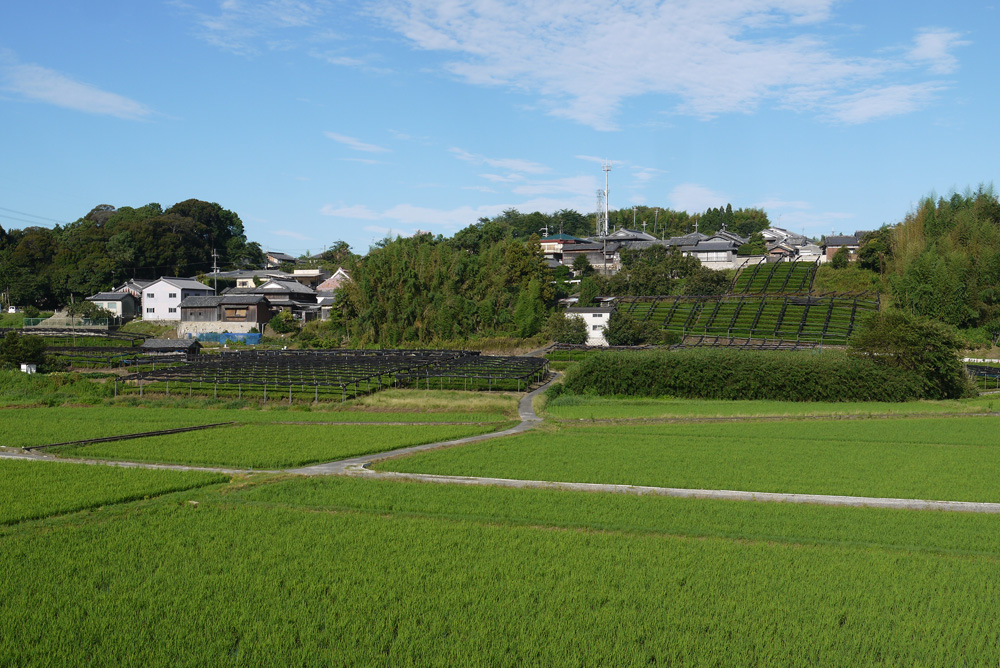
玉露を栽培する丘陵の茶畑!
京都府南部(山城地域)の観光情報サイト お茶の京都
飯岡の茶畑
京都府
Nature

Nearby Hotels

京都府
4.8
¥7,300~/person
京都府
4.7
¥2,500~/person
京都府
5
¥17,050~/person
Mikasa Ryokan
京都府
4.2
¥7,700~/person
ANDO HOTEL NaraWakakusayama~DLIGHT LIFE & HOTELS~
京都府
3.9
¥21,300~/person
京都府
4.4
¥5,500~/person
See more

Nearby Activities

【京都・和束町・そば打ち体験】子供から大人まで楽しめる茶蕎麦打ち体験(団体様大歓迎・200名様まで対応可能)
京都府
¥3,630~/人
【京都・和束町・郷土料理】京都グルメ&スイーツをいろいろ作って大満喫!京都セット
京都府
¥4,730~/人
【京都・和束町・茶摘み】丸ごと体験♪茶摘み・茶蕎麦・茶葉天ぷら・柿の葉寿司・葛餅の贅沢フルセットプラン
京都府
¥7,480~/人
【京都・和束町・うどん作り】子供から大人まで楽しめる京うどん作り体験(団体様大歓迎・200名様まで対応可能)
京都府
¥3,630~/人
【京都・和束町】嬉しいお土産つき♪お茶づくしプラン
京都府
¥7,280~/人
【京都・和束町・郷土料理】和束名物の茶そば&奈良の郷土料理を作ろう。和束セット
京都府
¥4,730~/人
See more

Nearby Restaurants

食べログ
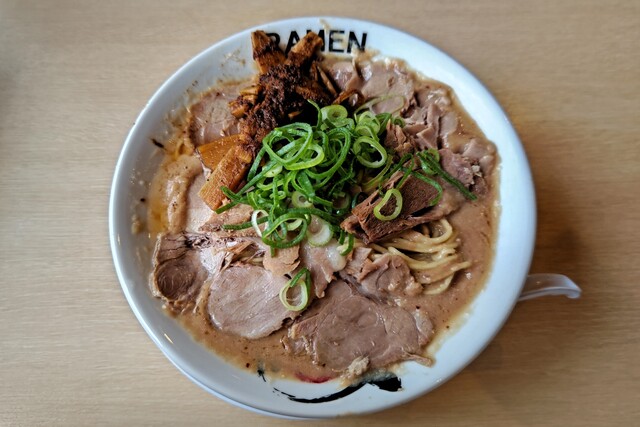
ラーメン との 加茂店
~¥999
~¥999
3.5
(Tabelog's review)
食べログ
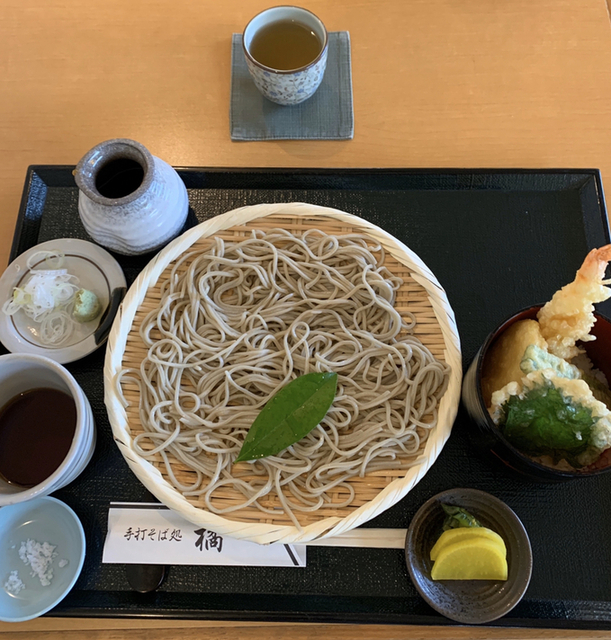
そば処 橘
¥1,000~¥1,999
-
3.4
(Tabelog's review)
食べログ
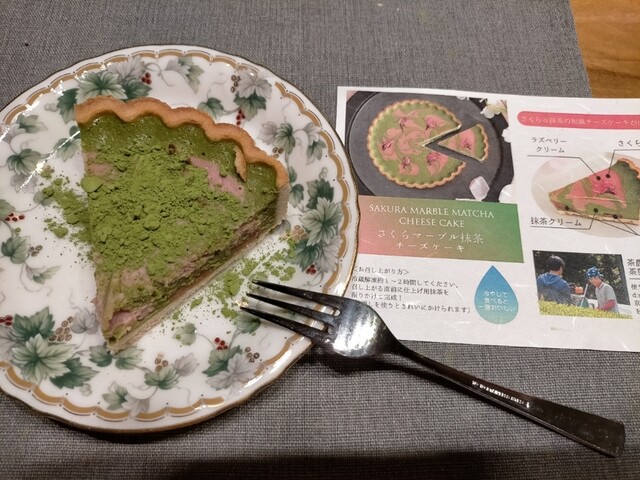
d:matcha Kyoto CAFE & KITCHEN
¥1,000~¥1,999
-
3.2
(Tabelog's review)
食べログ
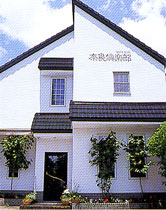
木色
¥1,000~¥1,999
-
3.2
(Tabelog's review)
食べログ
パネッテリア プルチーノ
-
-
3.2
(Tabelog's review)
食べログ
かしわ網焼食堂 しんさん
¥1,000~¥1,999
¥2,000~¥2,999
3.2
(Tabelog's review)
Explore the City
京田辺・木津川
京都府
4.2
アプリアイコン AIでかんたん!旅行プランが作れる
App Storeでダウンロード Google Playでダウンロード
  • Terms of Use
  • Privacy Policy
  • Company Information
AVA Travel's logo
Login
Sign up
  • Hokkaido
  • Aomori
  • Akita
  • Iwate
  • Miyagi
  • Yamagata
  • Fukushima
  • Tochigi
  • Gunma
  • Ibaraki
  • Saitama
  • Kanagawa
  • Chiba
  • Tokyo
  • Yamanashi
  • Niigata
  • Nagano
  • Shizuoka
  • Aichi
  • Gifu
  • Mie
  • Ishikawa
  • Toyama
  • Fukui
  • Hyogo
  • Wakayama
  • Nara
  • Kyoto
  • Shiga
  • Osaka
  • Okayama
  • Hiroshima
  • Yamaguchi
  • Tottori
  • Shimane
  • Ehime
  • Kagawa
  • Kochi
  • Tokushima
  • Oita
  • Nagasaki
  • Fukuoka
  • Kumamoto
  • Miyazaki
  • Saga
  • Kagoshima
  • Okinawa
  • Sapporo
  • Otaru, Yoichi, & Niseko
  • Hakodate
  • Hirosaki
  • Towada & Okuinse
  • Aomori City Area
  • Tsugaru
  • Morioka
  • Miyagi Zao & Shiroishi
  • Sendai
  • Yamagata, Zao, & Tendo
  • Aizu & Kitakata
  • Utsunomiya
  • Nasu & Shiobara
  • Nikko & Kinugawa
  • Takasaki & Maebashi
  • Shibukawa & Ikaho
  • Kusatsu & Shiga Kogen
  • Oze & Numata
  • Tomioka & Shimonita
  • Kawagoe & Higashimatsuyama
  • Omiya, Urawa, & Kounosu
  • Chichibu & Nagatoro
  • Yokohama
  • Kamakura
  • Motomachi & Chinatown
  • Enoshima & Shonan
  • Hakone
  • Tateyama & Minamiboso
  • Kujukuri
  • Chiba, Urayasu, & Makuhari
  • Kisarazu & Kimitsu
  • Izu Islands & Ogasawara
  • Shibuya, Harajuku, & Omotesando
  • Shinjuku
  • Asakusa & Skytree
  • Lake Kawaguchi & Fujiyoshida
  • Yuzawa, Tsunan, & Tokamachi
  • Nagaoka, Sanjo, & Kashiwazaki
  • Karuizawa
  • Matsumoto, Kamikochi & Shiojiri
  • Nozawa Onsen & Shiga Kogen
  • Izu
  • Gotemba, Fuji & Fujinomiya
  • Atami
  • Nagoya
  • Gero (Gero Onsen)
  • Hida, Takayama, & Shirakawa-go
  • Ise, Shima, and Toba
  • Kanazawa
  • Kobe & Arima (Arima Onsen)
  • Awaji Island
  • Himeji & Ako
  • Nara, Tenri, & Horyuji
  • Uji
  • Gion & Higashiyama
  • Kyoto Station & Kawaramachi
  • Fushimi & Yamashina
  • Arashiyama & Takao
  • Nagahama & Maibara
  • Hikone & Omihachiman
  • Shinsaibashi, Namba, & Tennoji
  • Osaka Bay Area
  • Okayama, Ushimado, & Bizen
  • Kurashiki
  • Himeji
  • Miyajima & Hiroshima City
  • Takehara & Mihara
  • Onomichi
  • Shimonoseki & Sumijima
  • Izumo & Iwami Ginzan
  • Uwajima & Ozu
  • Imabari
  • Matsuyama & Dogo
  • Niihama, Saijo, & Mount Ishizuchi
  • Shimanami
  • Shimanto & Ashizuri
  • Oboke, Ohboke, & Iya Valley
  • Naruto & Tokushima City Area
  • Oita City, Saiki, & Usuki
  • Yufuin
  • Beppu
  • Iki, Tsushima & Goto Islands
  • Itoshima
  • Hakata, Tenjin & Dazaifu
  • Kitakyushu, Moji & Kokura
  • Aso & Kurokawa (Kurokawa Onsen)
  • Kumamoto, Yamaga & Kikuchi
  • Miyazaki, Miyakonojo, & Nichinan
  • Takachiho, Nobeoka, & Hyuga
  • Amami & Yoron
  • Yakushima
  • Ibusuki, Chiran & Makurazaki
  • Kagoshima, Sakurajima & Kirishima
  • Onna Village & Central Okinawa
  • Kumejima & Kerama
  • Miyakojima
  • Iriomote Island, Taketomi Island, & Kohama Island
  • Ishigaki Island
  • Naha & Southern Okinawa
  • Utoro Onsen
  • Tokachigawa Onsen
  • Jozankei Onsen
  • Toyako Onsen
  • Noboribetsu Onsen
  • Yukawa Onsen
  • Sukayu Onsen
  • Nyuto Onsen
  • Higashiyama Onsen
  • Shiobara Onsen
  • Kinugawa Onsen
  • Nikko Onsen
  • Yugawara Onsen
  • Hakoneyumoto Onsen
  • Owakudani Onsen
  • Gero Onsen
  • Nibukawa Onsen
  • Ureshino Onsen
  • Yufuin Onsen
  • Beppu Onsen
  • Kurokawa Onsen
  • Jigoku Onsen
  • Ibusuki Onsen

Copyright (c) AVA Intelligence Inc. All Rights Reserved.