AVA Travel's logo
English
日本語
English
中文繁體
Top PageList of SpotsKansaiKyotoFushimi & YamashinaDaigo-ji
TOP
1/3
Show All Image

Daigo-ji

京都府
Tourist Information of This Area
general.prefecture.
A temple that is a UNESCO World Heritage Site and also known as a famous cherry blossom spot.
The head temple of the Shingon sect Daigo school, which is registered as a World Heritage Site. Within the vast grounds of over 2 million tsubo, there are 75,522 national treasures and 425 important cultural properties enshrined. If you want to experience the magnificent nature and historical buildings, come and visit.

Features & How to Enjoy

Classic History

Highlights

Point 1

"Flower Viewing at Daigo"

Daigo-ji "Flower Viewing at Daigo"
Daigo-ji Temple has long been known as a popular spot for cherry blossom viewing. Around 700 cherry trees of various types, including weeping cherry, Somei Yoshino, mountain cherry, and double-flowered cherry, are planted and color the temple every spring. Once upon a time, Toyotomi Hideyoshi fell in love with the scenery and held a grand cherry blossom viewing party called "Daigo no Hanami". In honor of this, the "Toyotomi Hideyoshi Cherry Blossom Viewing Parade" is held every year on the second Sunday of April. It's a breathtaking view that is worth seeing at least once in a lifetime.
Point 2

Kyoto's Oldest Five-Story Pagoda

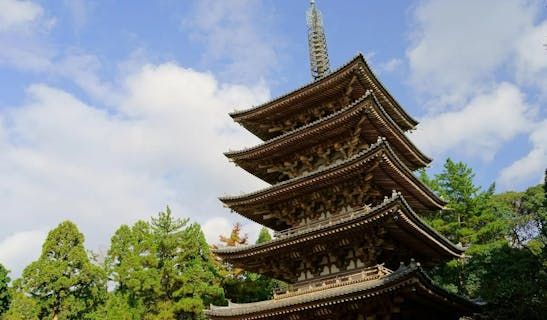
Daigo-ji Kyoto's Oldest Five-Story Pagoda
The five-story pagoda at Daigoji Temple, built during the reign of Emperor Murakami in the late Heian period, is the oldest five-story pagoda in Kyoto and is also known as the oldest wooden structure in Kyoto. The entire tower is designated as a national treasure, but the mandala inside the tower is also highly valued as a Heian period painting, and it is considered to be of such value that it has been separately designated as a national treasure. On the monthly 29th memorial service, visitors who pay the admission fee and a 1000 yen fee for copying sutras can also visit the inside of the five-story pagoda from the outside.


Point 3

Sanbo-in, Associated with Toyotomi Hideyoshi

Daigo-ji Sanbo-in, Associated with Toyotomi Hideyoshi
Sanbo-in is an important building within Daigo-ji Temple, serving as a main hall like the Honbo. The garden is known for being designed by Toyotomi Hideyoshi himself, with various features throughout the garden to showcase his power as the ruler of Japan. While the garden is open for viewing during regular periods, please note that the main hall of Sanbo-in, which features sliding door paintings by the Hasegawa school, can only be viewed during special visits.
Point 4

Over 75,000 National Treasures

Daigo-ji Over 75,000 National Treasures
Daigoji Temple, which has a history of over 1,100 years, has long focused on the preservation of wooden and paper culture. When it comes to wood, the five-story pagoda, which is the oldest wooden building in Kyoto, is symbolic. There are also many wooden Buddhist statues, such as the Yakushi Nyorai statue, which have had a significant influence on Buddhist art. The temple also houses many scrolls and other items, with over 75,000 designated as national treasures and over 400 designated as important cultural properties by the Japanese government.
Point 5

The Presence of Daigo Water

Daigo-ji The Presence of Daigo Water
There is something called Daigo Water that is associated with the founding of Daigoji Temple. It is located in Kamidaigo, not Shimodaigo. Legend has it that during the Heian period, a monk who was walking on Mount Daigo encountered a mountain god, and when the god took a sip of the nearby spring water, he exclaimed, "This is the essence of flavor!" The term "daigo-mi" refers to a deep flavor and true enjoyment, and Daigo Water is truly a famous water that even the gods praised.
See more

History

Daigo-ji A Famous Temple with Over 1,100 Years of History
A Famous Temple with Over 1,100 Years of History
Daigoji Temple was established in the early Heian period as a huge temple with over 2 million tsubo of land in the southeast district of Heian-kyo. Due to its vast size, it was divided into two districts: Uedaigo and Shitaigo. The temple has deep ties to the imperial family, with Emperor Daigo making it his own prayer temple. It is also known for the grand cherry blossom viewing parties held by Toyotomi Hideyoshi, known as "Daigo no Hanami." In 1994, it was registered as a UNESCO World Heritage site, making it a prestigious and historic temple.

Access

Daigo-ji Easy Access by Train!
Easy Access by Train!
Daigoji Temple has excellent access from Kyoto Station. Take the JR line to Yamashina Station, then transfer to the Kyoto Municipal Subway and ride to Daigo Station, which takes about 10 minutes. From Daigo Station, it's about a 10-minute walk to Daigoji Temple. Buses also run to Daigoji Temple, but the roads can get congested, so we recommend using the train for access. However, if you want to avoid transfers or walking between the station and Daigoji Temple, taking the bus is also an option!

Fee

Daigo-ji Admission to Shimo-Daigo during regular hours is 1000 yen for adults
Admission to Shimo-Daigo during regular hours is 1000 yen for adults
Daigo-ji Temple is divided into two parts, Ueda-Daigo and Shimo-Daigo, and the admission fees differ accordingly. During regular hours, admission to the Sanboin Garden and the Main Hall is 1000 yen for adults, 700 yen for middle and high school students, and free for elementary school students and younger. Please note that there is an additional fee for special visits to the Sanboin Palace and special exhibitions at the Reihokan Museum. Also, during the spring season when cherry blossoms are in bloom and during Golden Week, admission fees are higher than during regular hours. Ueda-Daigo also requires a separate admission fee, which is not included in the admission fee for Shimo-Daigo.

Basic Information

Address 22 Daigo Higashioji-cho, Fushimi-ku, Kyoto-shi, Kyoto 601-1325, Japan
TEL 075-571-0002
Web Site https://www.daigoji.or.jp/?utm_source=googlemybusiness&utm_medium=cpv&utm_campaign=20190601
Better Visit Together

Recommended Spots

小野小町ゆかりの寺院
隨心院
京都府
4.2
Cherry blossomHistory
こちらも醍醐天皇と縁深い寺院
勧修寺
京都府
4
History
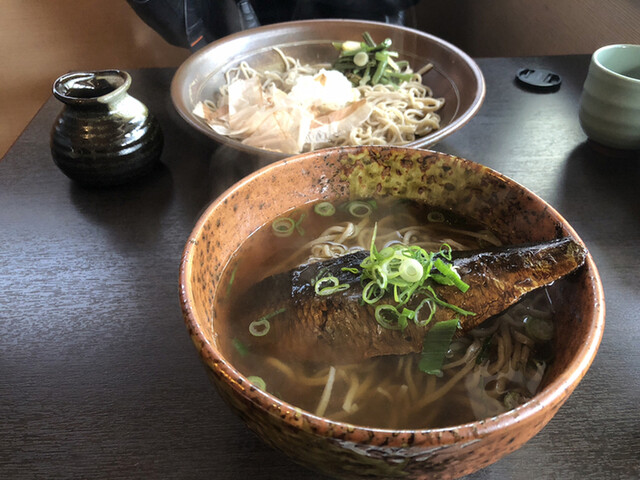
醍醐寺からすぐの人気そば屋
食べログ
甘味 手打ち蕎麦 しも村
3.2
(Tabelog's review)
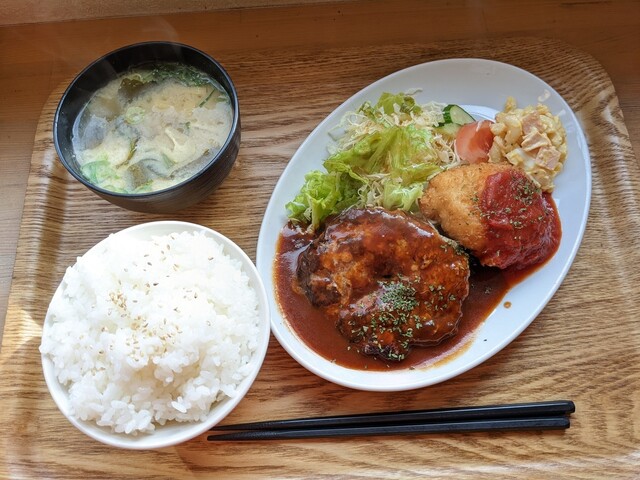
絶品ハンバーグがおすすめ!
食べログ
キッチンかりんや
3.2
(Tabelog's review)

Nearby Hotels

Kyoto Yamashina Hotel Sanraku
京都府
4.5
¥4,000~/person
Insight Court Yamashina
京都府
4
¥1,900~/person
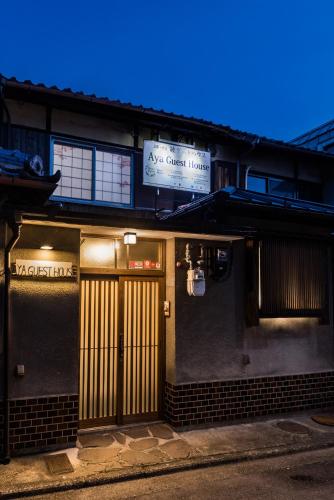
Kyoto Aya Guest House
京都府
2
¥3,400~/person
UU Inn Fushimi Kyoto
京都府
3.7
¥2,095~/person
Urban Hotel Kyoto
京都府
3.9
¥3,000~/person
Inari Ohan
京都府
4.6
¥7,140~/person
See more

Nearby Activities

【休日1600】安全安心な室内公園・1日遊び放題フリーチケット ピュアキッズ伏見桃山
京都府
¥1,600~/人
【平日1300・初回利用専用】1日遊び放題フリーチケット ピュアキッズ伏見桃山
京都府
¥1,630~/人
【休日1600・初回利用専用】1日遊び放題フリーチケット ピュアキッズ伏見桃山
京都府
¥1,930~/人
【平日1300】安全安心な室内公園・1日遊び放題フリーチケット ピュアキッズ伏見桃山
京都府
¥1,300~/人
【京都・築100年の古民家で日本文化体験】懐石料理をご堪能&食後は抹茶体験をお楽しみください(4名様以上)
京都府
¥12,000~/人
【京都府・宇治市・茶道体験】日本文化教室 資格のある茶道家による稽古
京都府
¥3,900~/人
See more

Nearby Restaurants

食べログ
ル・クロ スゥ ル スリジェ
¥1,000~¥1,999
-
3.3
(Tabelog's review)
食べログ
醐山料理 雨月茶屋 本店
¥1,000~¥1,999
-
3.4
(Tabelog's review)
食べログ
甘味 手打ち蕎麦 しも村
¥1,000~¥1,999
-
3.2
(Tabelog's review)
食べログ
秀吉珈琲
~¥999
~¥999
3.1
(Tabelog's review)
食べログ
阿闍梨寮 寿庵
-
~¥999
3.3
(Tabelog's review)
食べログ
パンフルート
~¥999
-
3.2
(Tabelog's review)
Explore the City
伏見・山科
京都府
4.6
アプリアイコン AIでかんたん!旅行プランが作れる
App Storeでダウンロード Google Playでダウンロード
  • Terms of Use
  • Privacy Policy
  • Company Information
AVA Travel's logo
Login
Sign up
  • Hokkaido
  • Aomori
  • Akita
  • Iwate
  • Miyagi
  • Yamagata
  • Fukushima
  • Tochigi
  • Gunma
  • Ibaraki
  • Saitama
  • Kanagawa
  • Chiba
  • Tokyo
  • Yamanashi
  • Niigata
  • Nagano
  • Shizuoka
  • Aichi
  • Gifu
  • Mie
  • Ishikawa
  • Toyama
  • Fukui
  • Hyogo
  • Wakayama
  • Nara
  • Kyoto
  • Shiga
  • Osaka
  • Okayama
  • Hiroshima
  • Yamaguchi
  • Tottori
  • Shimane
  • Ehime
  • Kagawa
  • Kochi
  • Tokushima
  • Oita
  • Nagasaki
  • Fukuoka
  • Kumamoto
  • Miyazaki
  • Saga
  • Kagoshima
  • Okinawa
  • Sapporo
  • Otaru, Yoichi, & Niseko
  • Hakodate
  • Hirosaki
  • Towada & Okuinse
  • Aomori City Area
  • Tsugaru
  • Morioka
  • Miyagi Zao & Shiroishi
  • Sendai
  • Yamagata, Zao, & Tendo
  • Aizu & Kitakata
  • Utsunomiya
  • Nasu & Shiobara
  • Nikko & Kinugawa
  • Takasaki & Maebashi
  • Shibukawa & Ikaho
  • Kusatsu & Shiga Kogen
  • Oze & Numata
  • Tomioka & Shimonita
  • Kawagoe & Higashimatsuyama
  • Omiya, Urawa, & Kounosu
  • Chichibu & Nagatoro
  • Yokohama
  • Kamakura
  • Motomachi & Chinatown
  • Enoshima & Shonan
  • Hakone
  • Tateyama & Minamiboso
  • Kujukuri
  • Chiba, Urayasu, & Makuhari
  • Kisarazu & Kimitsu
  • Izu Islands & Ogasawara
  • Shibuya, Harajuku, & Omotesando
  • Shinjuku
  • Asakusa & Skytree
  • Lake Kawaguchi & Fujiyoshida
  • Yuzawa, Tsunan, & Tokamachi
  • Nagaoka, Sanjo, & Kashiwazaki
  • Karuizawa
  • Matsumoto, Kamikochi & Shiojiri
  • Nozawa Onsen & Shiga Kogen
  • Izu
  • Gotemba, Fuji & Fujinomiya
  • Atami
  • Nagoya
  • Gero (Gero Onsen)
  • Hida, Takayama, & Shirakawa-go
  • Ise, Shima, and Toba
  • Kanazawa
  • Kobe & Arima (Arima Onsen)
  • Awaji Island
  • Himeji & Ako
  • Nara, Tenri, & Horyuji
  • Uji
  • Gion & Higashiyama
  • Kyoto Station & Kawaramachi
  • Fushimi & Yamashina
  • Arashiyama & Takao
  • Nagahama & Maibara
  • Hikone & Omihachiman
  • Shinsaibashi, Namba, & Tennoji
  • Osaka Bay Area
  • Okayama, Ushimado, & Bizen
  • Kurashiki
  • Himeji
  • Miyajima & Hiroshima City
  • Takehara & Mihara
  • Onomichi
  • Shimonoseki & Sumijima
  • Izumo & Iwami Ginzan
  • Uwajima & Ozu
  • Imabari
  • Matsuyama & Dogo
  • Niihama, Saijo, & Mount Ishizuchi
  • Shimanami
  • Shimanto & Ashizuri
  • Oboke, Ohboke, & Iya Valley
  • Naruto & Tokushima City Area
  • Oita City, Saiki, & Usuki
  • Yufuin
  • Beppu
  • Iki, Tsushima & Goto Islands
  • Itoshima
  • Hakata, Tenjin & Dazaifu
  • Kitakyushu, Moji & Kokura
  • Aso & Kurokawa (Kurokawa Onsen)
  • Kumamoto, Yamaga & Kikuchi
  • Miyazaki, Miyakonojo, & Nichinan
  • Takachiho, Nobeoka, & Hyuga
  • Amami & Yoron
  • Yakushima
  • Ibusuki, Chiran & Makurazaki
  • Kagoshima, Sakurajima & Kirishima
  • Onna Village & Central Okinawa
  • Kumejima & Kerama
  • Miyakojima
  • Iriomote Island, Taketomi Island, & Kohama Island
  • Ishigaki Island
  • Naha & Southern Okinawa
  • Utoro Onsen
  • Tokachigawa Onsen
  • Jozankei Onsen
  • Toyako Onsen
  • Noboribetsu Onsen
  • Yukawa Onsen
  • Sukayu Onsen
  • Nyuto Onsen
  • Higashiyama Onsen
  • Shiobara Onsen
  • Kinugawa Onsen
  • Nikko Onsen
  • Yugawara Onsen
  • Hakoneyumoto Onsen
  • Owakudani Onsen
  • Gero Onsen
  • Nibukawa Onsen
  • Ureshino Onsen
  • Yufuin Onsen
  • Beppu Onsen
  • Kurokawa Onsen
  • Jigoku Onsen
  • Ibusuki Onsen

Copyright (c) AVA Intelligence Inc. All Rights Reserved.