AVA Travelのロゴ
日本語
日本語
English
中文繁體
TOPページスポット一覧関西和歌山県高野山・九度山Kongobu-ji Temple
TOP
1/3
すべての写真

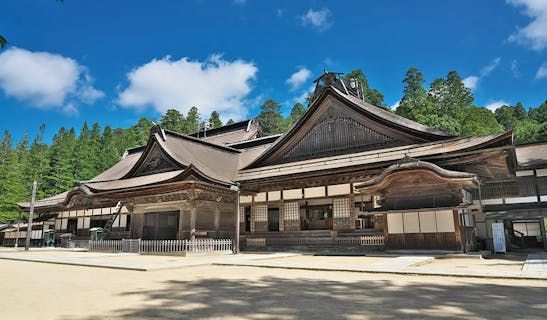
Kongobu-ji Temple

和歌山県
4.5
このエリアの観光情報
general.prefecture.
Head temple of the Koyasan Shingon sect
This is a sacred site of Japanese Buddhism with over 1200 years of history, possessing both vastness and elegance. There are many attractions such as the largest stone garden in Japan, "Banryutei," and Fusuma-e paintings by the Kano school. Visitors can also experience Ajikan meditation and copying sutras.

特徴・楽しみ方

定番 歴史

見どころ

ポイント 1

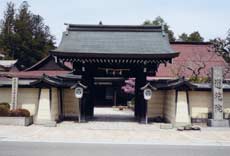
Feel the Weight of History and Sacred Atmosphere at the Main Gate

Kongobu-ji Temple Feel the Weight of History and Sacred Atmosphere at the Main Gate
The main gate of Kongobuji Temple is the first gate you pass through when heading from the Kongobuji Temple front parking lot to the temple grounds. It was once a sacred gate that only allowed the emperor, imperial family, and high-ranking officials of Koyasan to pass through. Considering its history and prestige, you can visit with a dignified feeling and a straight back. The main gate was built in 1593, during the Bunroku era, and is the oldest building in Kongobuji Temple. There is a small door on the right side of the entrance that is still used by ordinary monks. As you pass through the main gate, you will feel the weight of history and a sacred atmosphere. Please come and experience the splendor and solemn atmosphere of Kongobuji Temple by passing through the main gate.
ポイント 2

Don't Miss the Magnificent Sliding Door Paintings!

Kongobu-ji Temple Don't Miss the Magnificent Sliding Door Paintings!
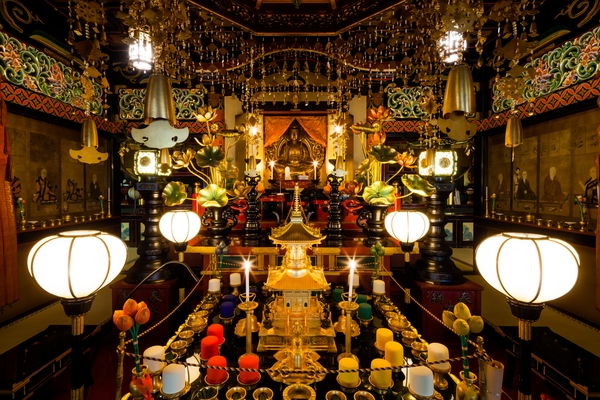
At Kongobuji Temple's Daidokoro and Mochibukuro, you can't miss the magnificent sliding door paintings. In the Daidokoro, there are paintings of a flock of cranes and pine trees, said to be the work of Saito Toshimune, a disciple of Kumo Togai who was active in the early Edo period. These paintings are located in a place where important rituals and services such as the Joraku-e in February and the Bussho-e in April are held. In addition, the Ume no Ma features a painting of a plum tree and flowing water by Kano Tan'yu Saishin, while the Yanagi no Ma features a painting of a willow and a heron by Yamamoto Tansai, both of which have an overwhelming presence. In particular, the Yanagi no Ma is also known as the "Hideyoshi Hachijuji Jibun no Ma," as it is the place where Hideyoshi committed suicide, and is a place of interest for lovers of the Warring States period. Furthermore, the Irori no Ma and the Cha no Ma feature shoji screens painted by Hiroshi Senju, a Japanese painter who is active worldwide, which were dedicated and made available to the public in 2020. These sliding door paintings are valuable works of art that allow you to feel the history and culture of Kongobuji Temple. When you visit, be sure not to miss them and enjoy their beauty!
ポイント 3

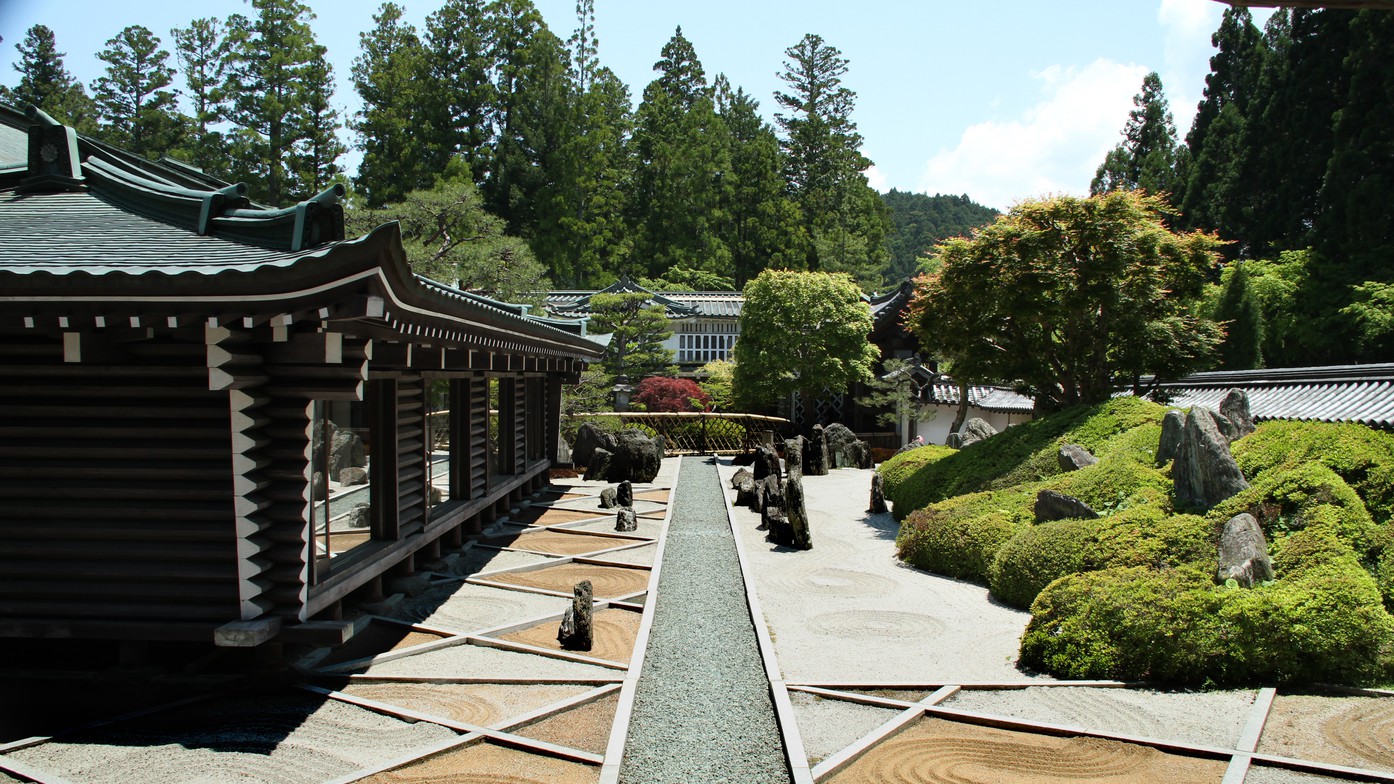
The Banryu-tei Garden, the Largest Garden in Japan

Kongobu-ji Temple The Banryu-tei Garden, the Largest Garden in Japan
The Banryu-tei Garden at Kongobu-ji Temple is a 2,340 square meter stone garden that spreads to the north of the Shinbetsuden Hall, and is the largest garden in Japan. This garden was created during the 1150th anniversary of the death of Kobo Daishi, and in the autumn, it delights visitors as a famous spot for autumn leaves. The Banryu-tei Garden is characterized by the expression of a sea of clouds using Kyoto's Shirakawa sand. On top of this sea of clouds, male and female dragons made of granite from Shikoku float. When viewed from the separate hall, the female and male dragons facing each other in the foreground create a design that seems to be guarding the inner hall. The Banryu-tei Garden impresses visitors with its magnificent scale and beautiful expression of dragons. The presence of the dragons and the beauty of the entire garden are in harmony, allowing you to calm your mind in the serene atmosphere. When visiting Kongobu-ji Temple, be sure to visit the Banryu-tei Garden and enjoy its powerful scenery!
ポイント 4

Newbetsuden: A Place of Hospitality for Visitors

Kongobu-ji Temple Newbetsuden: A Place of Hospitality for Visitors
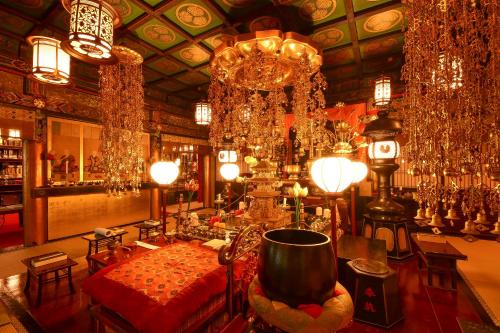
Newbetsuden is a building connected to the main hall of Kongobuji Temple by a corridor. It was newly established as a reception area for many visitors during the 1150th anniversary of the death of Kobo Daishi and the Great Memorial Service in 1984. The building consists of two rooms, one with 91 tatami mats and the other with 78 tatami mats, which can be combined into a large hall of 169 tatami mats by removing the partitions. Normally, it can be used as a resting place where you can relax and have tea. Buddhist sermons are also held by the priests from time to time, allowing you to listen to the sermon while calming your mind. Newbetsuden functions as a place of hospitality for visitors to Kongobuji Temple. With its spacious and calm atmosphere, it is used as a place to heal the fatigue of visitors. When you visit, why not take a break at Newbetsuden and spend some time relaxing your mind and body?
ポイント 5

Enjoy the Beautiful Scenery of the Four Seasons in the Courtyard!

Kongobu-ji Temple Enjoy the Beautiful Scenery of the Four Seasons in the Courtyard!
The courtyard of Kongobuji Temple is located in front of the Upper Hall and is a garden where you can enjoy the beautiful scenery of Mount Koya in all four seasons. This garden was created during the Edo period and six types of trees (cedar, cypress, pine, oak, birch, and fir) symbolizing Mount Koya are planted around the pond. In spring, the rhododendrons bloom beautifully, and in early summer, the cries of the Moriaogaeru, a natural monument, echo throughout the garden. In autumn, the garden is dyed red with autumn leaves, and in winter, it becomes a silver world covered in snow. The courtyard, which shows a different expression in each season, never bores visitors and allows them to enjoy the beautiful scenery. The courtyard is a place of tranquility and elegance, where you can calm your mind away from the hustle and bustle of everyday life. You can immerse yourself in the mysterious atmosphere of Mount Koya while watching the garden change with the seasons. Please take a peaceful moment in the courtyard when you visit!
もっとみる

Sightseeing

Kongobu-ji Temple A Temple Founded by Kukai as a Dojo for Zen Meditation!
A Temple Founded by Kukai as a Dojo for Zen Meditation!
Kongobuji Temple, along with Kumano Sanzan and Yoshino-Omine, is registered as a World Heritage Site under the name "Sacred Sites and Pilgrimage Routes in the Kii Mountain Range." It is particularly famous as Koyasan in Wakayama Prefecture and was founded by Kukai, the founder of Shingon Buddhism, as a dojo for Zen meditation in the early Heian period. Originally, Kongobuji Temple was positioned as the head temple of Koyasan Shingon Buddhism and was synonymous with Koyasan as a whole. Koyasan is referred to as an "inner sanctum of one mountain," and the idea is that the entire Koyasan is a temple. Even today, the term "head temple Kongobuji" sometimes refers not only to Kongobuji Temple but to the entire Koyasan. In other words, the mountain itself is considered to be the inner sanctum. Kongobuji Temple is located in a place surrounded by a rich natural environment and is visited by many people as a place of mountain worship. It is highly valued for its historical value, beautiful scenery, and importance as a place for Buddhist practice. Please come and experience the solemn atmosphere and miraculous scenery of Kongobuji Temple!

Access

Access from Katsuragi Nishi IC is about 50 minutes by car!
To access Kongobuji Temple by public transportation, first head to Koyasan Cable Koyasan Station. From there, take the Nankai Rinkan bus and get off at Senjuin Hashi Higashi bus stop after about 12 minutes on the Okunoin line. It's about a 5-minute walk from there. Alternatively, take a bus bound for Daimon and get off at Kongobuji-mae bus stop after about 11 minutes to arrive at Kongobuji Temple immediately. If you're traveling by car, you can reach Kongobuji Temple via Route 480 from Katsuragi Nishi IC, which takes about 27km and 50 minutes. You can also access it in about 40 minutes by car from Kinkita Katsuragi IC on the Kinki Expressway.

基本情報

住所 132 Koyasan, Koyacho, Itogun, Wakayama 648-0294
営業時間

Monday: 8:30am-5:00pm, Tuesday: 8:30am-5:00pm, Wednesday: 8:30am-5:00pm, Thursday: 8:30am-5:00pm, Friday: 8:30am-5:00pm, Saturday: 8:30am-5:00pm, Sunday: 8:30am-5:00pm

TEL 0736-56-2011
Webサイト http://www.koyasan.or.jp/
一緒に回りたい

おすすめスポット

「日本の総菩提所」と呼ばれる参拝地!
奥之院
和歌山県
4.7
歴史
高野山のシンボルであり聖地!
壇上伽藍
和歌山県
4.5
歴史
高さ50mの朱色の大塔!
根本大塔
和歌山県
4.5
歴史

周辺のホテル

和歌山県
5
¥17,556~/人
Ichijoin
和歌山県
5
¥19,950~/人
Jokiin
和歌山県
4.1
¥8,500~/人
和歌山県
4.3
¥8,450~/人
Sojiin
和歌山県
4.4
¥8,550~/人
高野山 宿坊 普門院 -Koyasan Shukubo Fumonin-
和歌山県
3.5
¥12,000~/人
もっとみる

周辺の体験

【和歌山・高野山・ナイトツアー】高野山在住の僧侶や案内人がご案内!夜の奥之院ツアー
和歌山県
¥3,780~/人
【和歌山・手作りアクセサリー】パワースポット・高野山で数珠を作ろう
和歌山県
¥4,500~/人
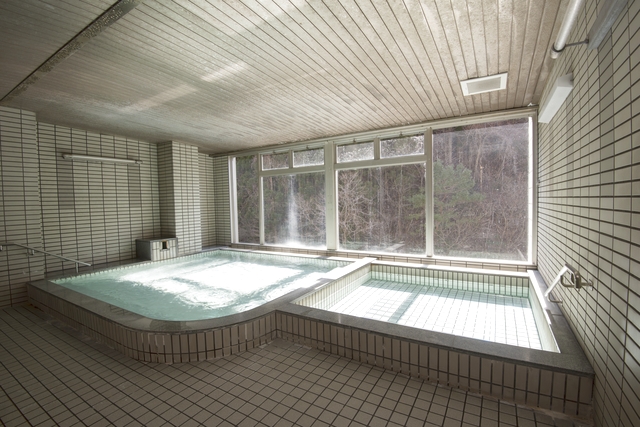
ホテルのせ川 電子前売りチケット(入浴券+タオルセット)
和歌山県
¥800~/人
【和歌山・テントサウナ】25mプールで整う!学校でテントサウナ!
和歌山県
¥10,000~/人
【奈良・五條・ラフティング】清流で思いきり遊ぼう!奈良吉野川ラフティングツアー
和歌山県
¥6,600~/人
【奈良・五條・自然体験】吉野川の大自然でととのう体験2時間!テントサウナ体験
和歌山県
¥11,000~/人
もっとみる

周辺の飲食店

食べログ
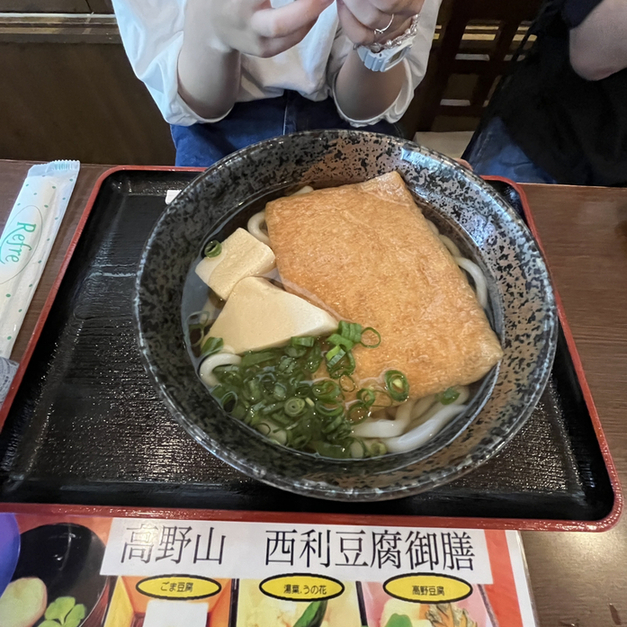
西利
¥1,000~¥1,999
-
3
(食べログの評価)
食べログ
一乗院
¥10,000~¥14,999
¥20,000~¥29,999
3.7
(食べログの評価)
食べログ
麩善 本店
-
-
3.5
(食べログの評価)
食べログ
甘党喫茶 きく
-
-
3.1
(食べログの評価)
食べログ
丸万
-
¥3,000~¥3,999
3.3
(食べログの評価)
食べログ
中央食堂・さんぼう
¥1,000~¥1,999
-
3.5
(食べログの評価)
このスポットの周辺情報
高野山・九度山
和歌山県
4.6
アプリアイコン AIでかんたん!旅行プランが作れる
App Storeでダウンロード Google Playでダウンロード
  • 利用規約
  • プライバシーポリシー
  • 会社情報
AVA Travelのロゴ
ログイン
会員登録
  • 北海道
  • 青森県
  • 秋田県
  • 岩手県
  • 宮城県
  • 山形県
  • 福島県
  • 栃木県
  • 群馬県
  • 茨城県
  • 埼玉県
  • 神奈川県
  • 千葉県
  • 東京都
  • 山梨県
  • 新潟県
  • 長野県
  • 静岡県
  • 愛知県
  • 岐阜県
  • 三重県
  • 石川県
  • 富山県
  • 福井県
  • 兵庫県
  • 和歌山県
  • 奈良県
  • 京都府
  • 滋賀県
  • 大阪府
  • 岡山県
  • 広島県
  • 山口県
  • 鳥取県
  • 島根県
  • 愛媛県
  • 香川県
  • 高知県
  • 徳島県
  • 大分県
  • 長崎県
  • 福岡県
  • 熊本県
  • 宮崎県
  • 佐賀県
  • 鹿児島県
  • 沖縄県
  • 札幌
  • 小樽・余市・ニセコ
  • 函館
  • 弘前
  • 十和田・奥入瀬
  • 青森市周辺
  • 津軽
  • 盛岡
  • 宮城蔵王・白石
  • 仙台
  • 山形・蔵王・天童
  • 会津・喜多方
  • 宇都宮
  • 那須・塩原
  • 日光・鬼怒川
  • 高崎・前橋
  • 渋川・伊香保
  • 草津・志賀高原
  • 尾瀬・沼田
  • 富岡・下仁田
  • 川越・東松山
  • 大宮・浦和・鴻巣
  • 秩父・長瀞
  • 横浜
  • 鎌倉
  • 元町・中華街
  • 江ノ島・湘南
  • 箱根
  • 館山・南房総
  • 九十九里
  • 千葉・浦安・幕張
  • 木更津・君津
  • 伊豆七島・小笠原
  • 渋谷・原宿・表参道
  • 新宿
  • 浅草・スカイツリー
  • 河口湖・富士吉田
  • 湯沢・津南・十日町
  • 長岡・三条・柏崎
  • 軽井沢
  • 松本・上高地・塩尻
  • 野沢温泉・志賀高原
  • 伊豆
  • 御殿場・富士・富士宮
  • 熱海
  • 名古屋
  • 下呂(下呂温泉)
  • 飛騨・高山・白川郷
  • 伊勢・志摩・鳥羽
  • 金沢
  • 神戸・有馬(有馬温泉)
  • 淡路島
  • 姫路・赤穂
  • 奈良・天理・法隆寺
  • 宇治
  • 祇園・東山
  • 京都駅・河原町
  • 伏見・山科
  • 嵐山・高雄
  • 長浜・米原
  • 彦根・近江八幡
  • 心斎橋・難波・天王寺
  • 大阪ベイエリア
  • 岡山・牛窓・備前
  • 倉敷
  • 蒜山・湯原温泉
  • 宮島・広島市
  • 竹原・三原
  • 尾道
  • 下関・角島
  • 出雲・石見銀山
  • 宇和島・大洲
  • 今治
  • 松山・道後
  • 新居浜・西条・石鎚山
  • しまなみ
  • 四万十・足摺
  • 大歩危・小歩危・祖谷渓
  • 鳴門・徳島市周辺
  • 大分市・佐伯・臼杵
  • 湯布院
  • 別府
  • 壱岐・対馬・五島列島
  • 糸島
  • 博多・天神・太宰府
  • 北九州・門司・小倉
  • 阿蘇・黒川(黒川温泉)
  • 熊本・山鹿・菊池
  • 宮崎・都城・日南
  • 高千穂・延岡・日向
  • 奄美・与論
  • 屋久島
  • 指宿・知覧・枕崎
  • 鹿児島・桜島・霧島
  • 恩納村・沖縄中部
  • 久米島・慶良間
  • 宮古島
  • 西表島・竹富島・小浜島
  • 石垣島
  • 那覇・沖縄南部
  • ウトロ温泉
  • 十勝川温泉
  • 定山渓温泉
  • 洞爺湖温泉
  • 登別温泉
  • 湯川温泉
  • 酸ヶ湯温泉
  • 乳頭温泉
  • 東山温泉
  • 塩原温泉
  • 鬼怒川温泉
  • 日光温泉
  • 湯河原温泉
  • 箱根湯本温泉
  • 大涌谷温泉
  • 下呂温泉
  • 鈍川温泉
  • 嬉野温泉
  • 湯布院温泉
  • 別府温泉
  • 黒川温泉
  • 地獄温泉
  • 指宿温泉

Copyright (c) AVA Intelligence Inc. All Rights Reserved.