AVA Travelのロゴ
日本語
日本語
English
中文繁體
TOPページスポット一覧東北岩手県北上・江刺Daibunehakusan Entsu Shofukuji Temple
TOP
1/3
すべての写真

Daibunehakusan Entsu Shofukuji Temple

岩手県
4.5
このエリアの観光情報
general.prefecture.
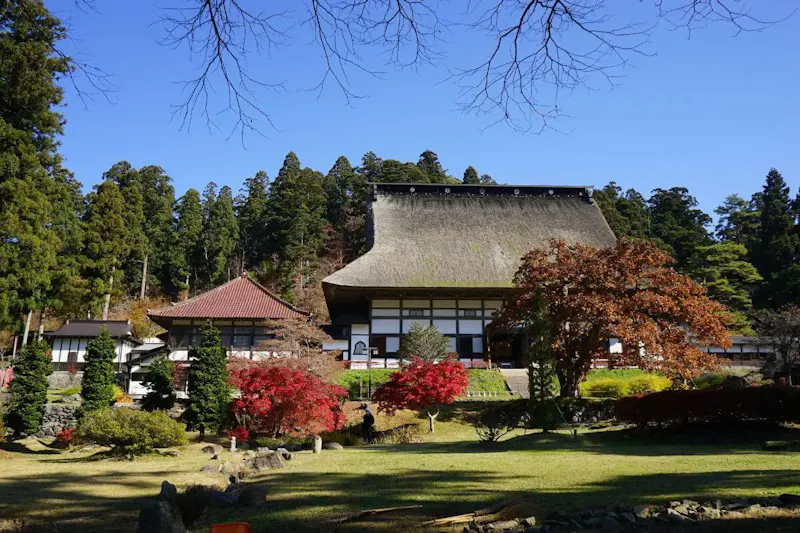
A Soto Zen temple with a distinctive huge thatched roof.
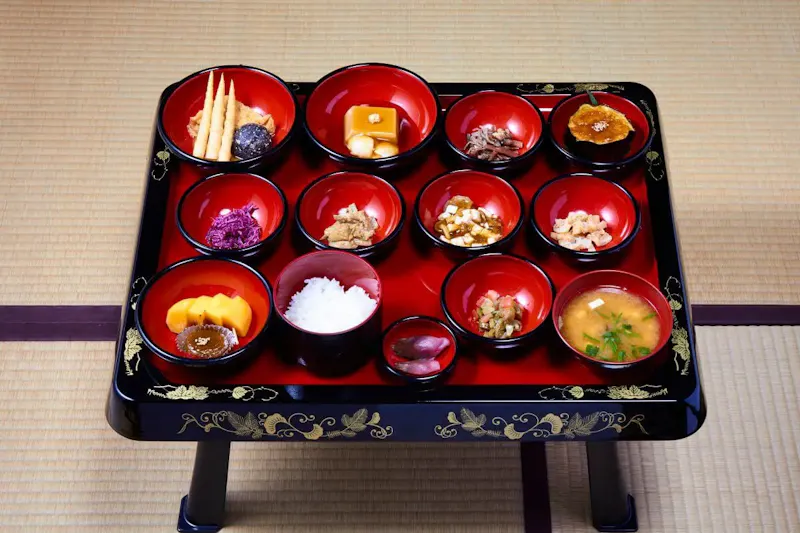
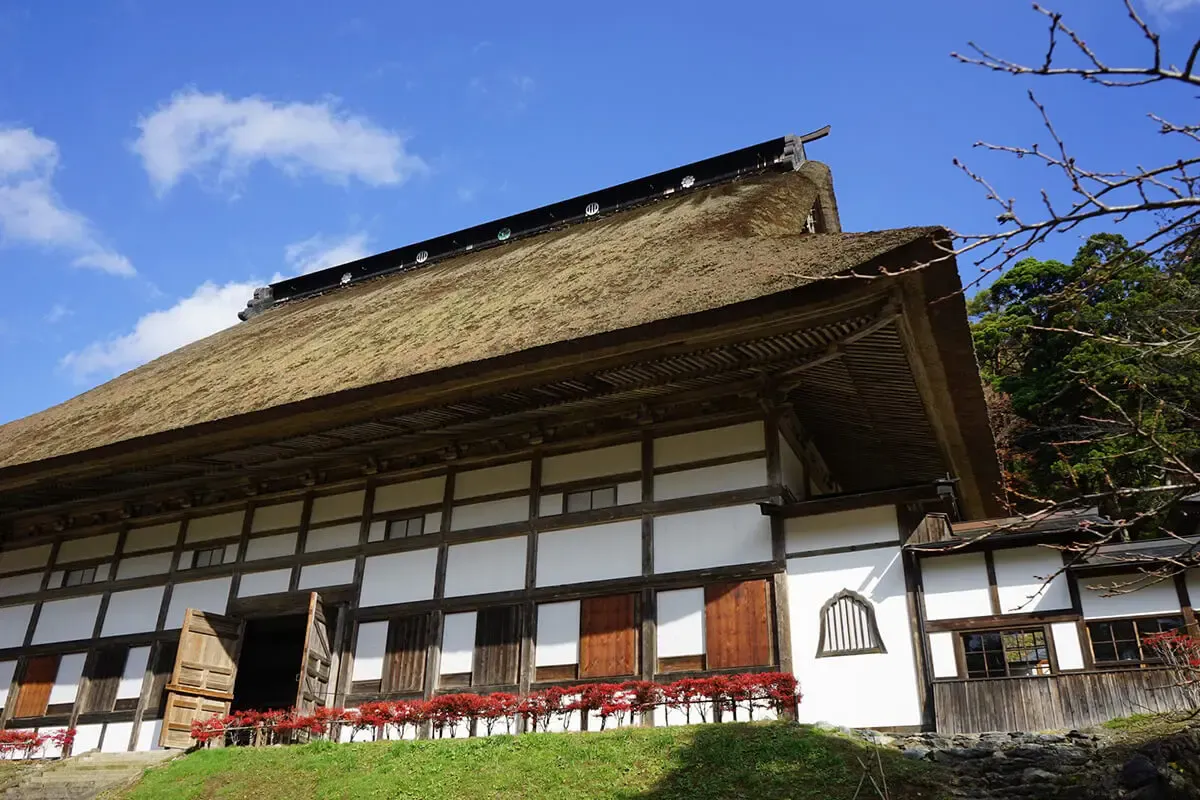
The Shofukuji Temple is a strict training ground where trainee monks from all over the country gather to undergo rigorous training. The serpentinite stone steps and the huge thatched roof of the main hall are breathtaking, and the main hall is designated as an important cultural property of the country. Shojin ryori (vegetarian cuisine) and zazen sessions are also held, offering a valuable Zen temple experience.

特徴・楽しみ方

定番 歴史

見どころ

ポイント 1

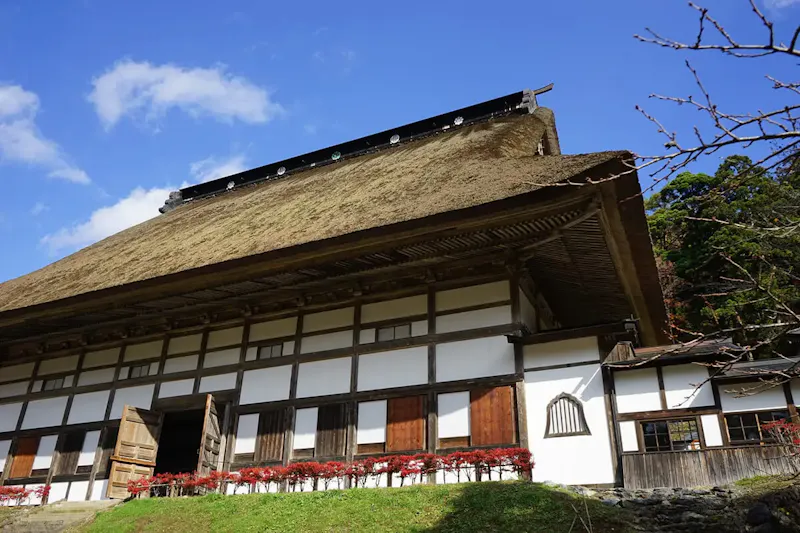
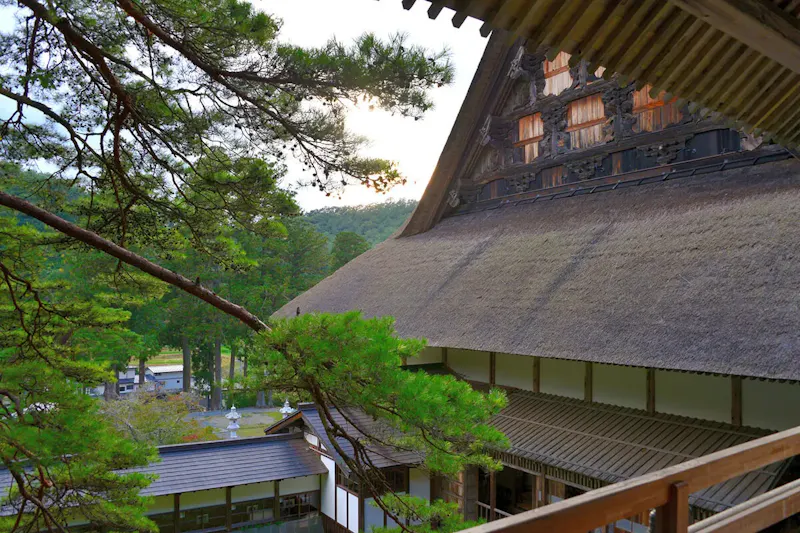
The Main Hall, Featuring Japan's Largest Thatched Roof!

Daibunehakusan Entsu Shofukuji Temple The Main Hall, Featuring Japan's Largest Thatched Roof!
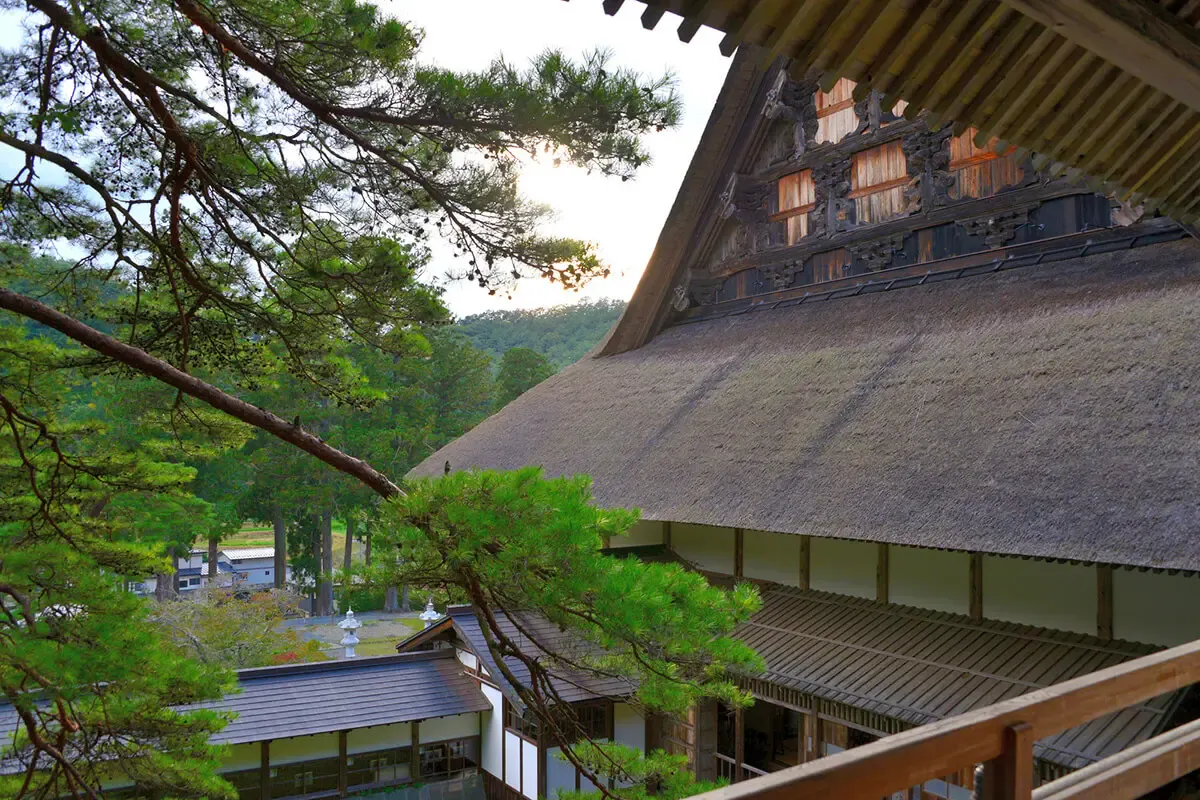
The Main Hall of Daibunenkyozan Entsuji Temple is a magnificent building with a thatched roof that is said to be the largest in Japan. The hall has an impressive scale, with a width of about 30 meters and a depth of about 21 meters, and exudes a commanding presence. The thatched roof is grand and enhances the traditional Japanese temple's dignity. The interior of the hall is also vast, with the characteristics of a modern Buddhist temple beautifully expressed. The unique atmosphere, beautiful carvings, and decorations harmonize to create a serene ambiance. In addition, there is also a large thatched building, the Kuri, which is almost as large as the Main Hall, with a width of about 33 meters and a depth of about 17 meters. These buildings symbolize the importance of Daibunenkyozan Entsuji Temple's history and status. Visitors will be charmed by the grand scale and traditional architectural style, and will be able to feel the solemnity and beauty of a Zen temple.
ポイント 2

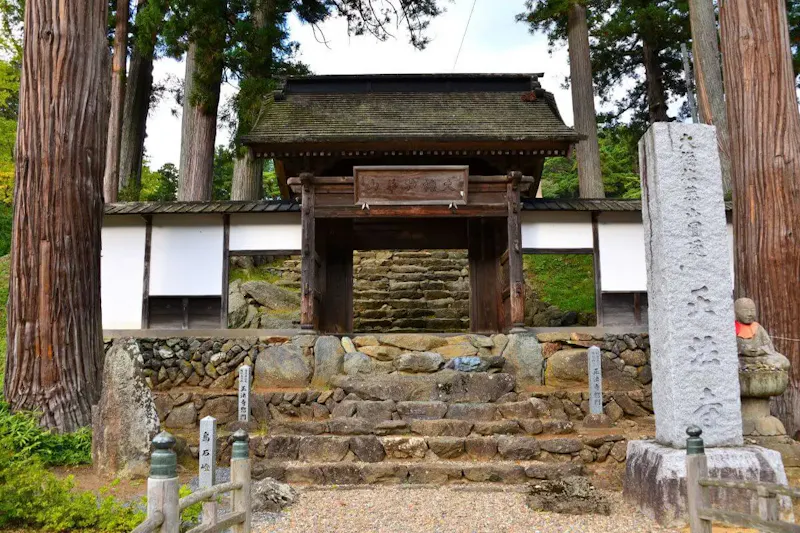
Experience the Solemn Atmosphere of the Majestic Gate with the Dignity of an Ancient Temple

Daibunehakusan Entsu Shofukuji Temple Experience the Solemn Atmosphere of the Majestic Gate with the Dignity of an Ancient Temple
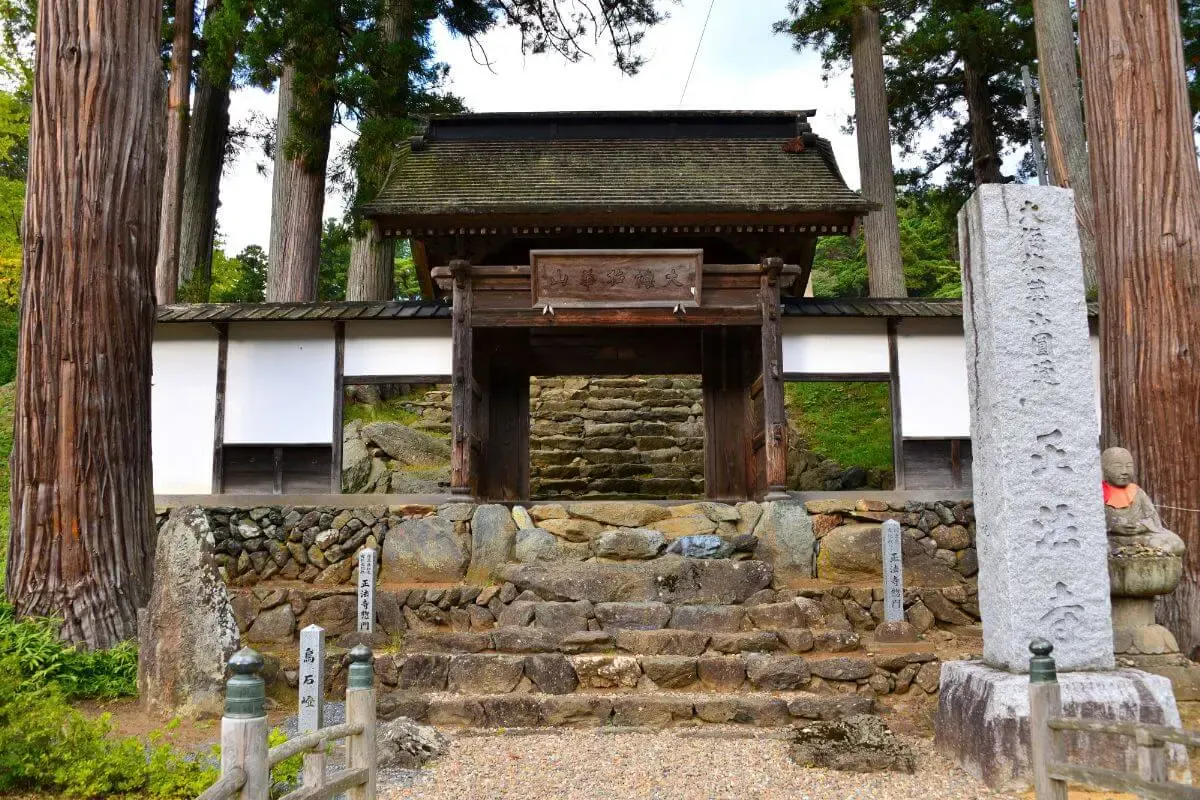
The majestic gate of Daibunehakka Sannenji Temple is an important presence that evokes the dignity of an ancient temple. This gate is the entrance to the temple and survived the fire that destroyed the temple in the 11th year of the Kansei era (1799). As a result, it has become a valuable structure that tells the story of the temple's long history. The gate is a four-legged gate with a gabled roof and is covered with tochi bark. It was built in the fifth year of the Kanbun era (1665) by a master carpenter from Sendai named Nitta Sakubei. This gate is the oldest surviving structure of its kind in Iwate Prefecture and is considered a very valuable piece of architectural history. Together with the serpentinite stone steps of the gate, it exudes an atmosphere of an ancient temple. For visitors, the moment they pass through this gate, a solemn atmosphere spreads, allowing them to feel the history and traditions of the temple.
ポイント 3

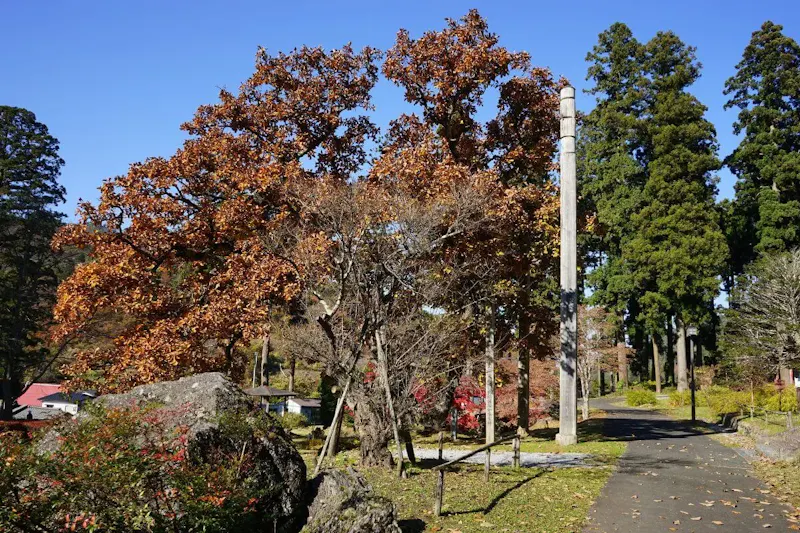
A Natural Environment Adorned with the Changing Seasons!

Daibunehakusan Entsu Shofukuji Temple A Natural Environment Adorned with the Changing Seasons!
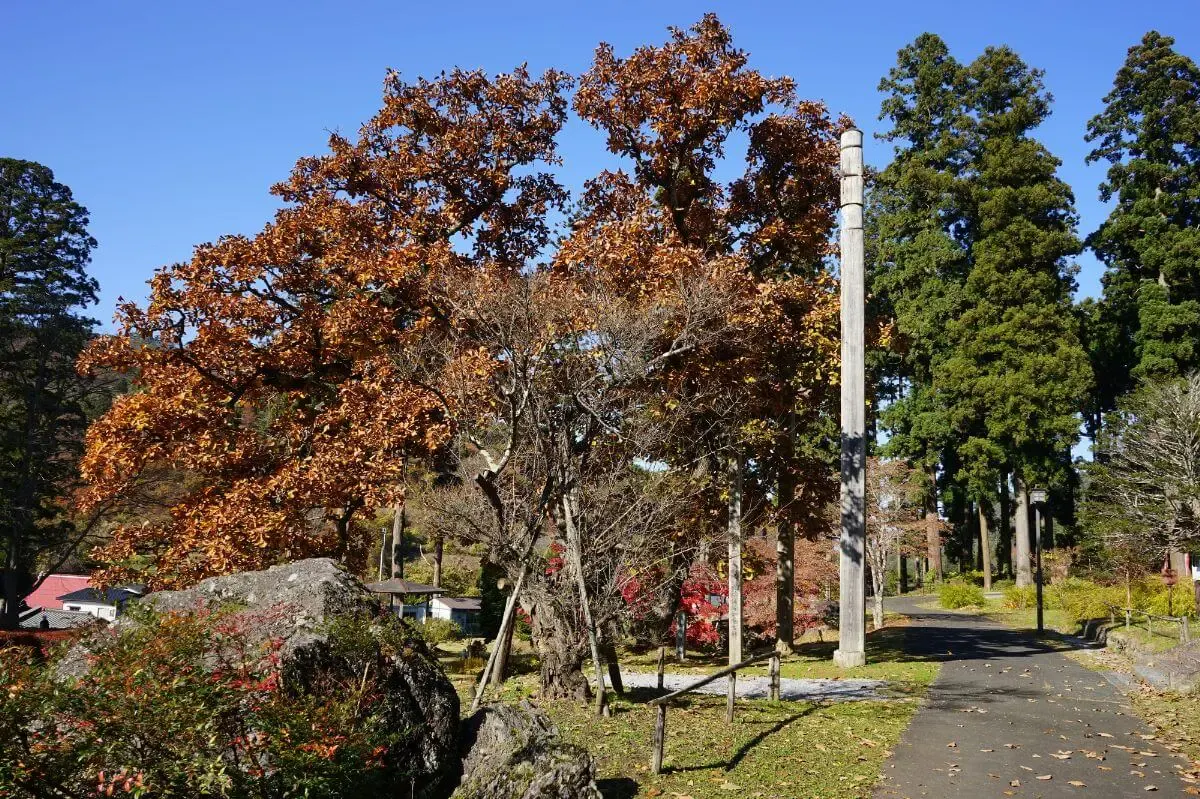
The grounds of Daibunehyakusan Engakuji Temple are blessed with a beautiful natural environment that changes with the seasons. In spring, various trees such as the blue maple and the giant cedar in the surrounding mountains and within the grounds begin to bud, spreading vivid greenery under the sunlight. You can feel the breath of new life signaling the end of the long winter. In summer, the temple grounds are surrounded by lush greenery along with the surrounding mountains. The verdant trees shine in the sunlight, creating a beautiful contrast with the large thatched roof. It's a refreshing season with a pleasant breeze blowing through. In autumn, various autumn leaves such as the ginkgo and the maple color the large thatched roof with a vivid background. The nostalgic and beautiful scenery harmonizes with the atmosphere of old-fashioned Tohoku. In winter, the snow covers the temple grounds, creating a world of white. You will be captivated by the beauty of the snowscape in the peaceful silence. Even in the severe cold, the scenery is breathtaking. The changing seasons adorn the grounds of Daibunehyakusan Engakuji Temple, providing visitors with a rich and fulfilling time.
ポイント 4

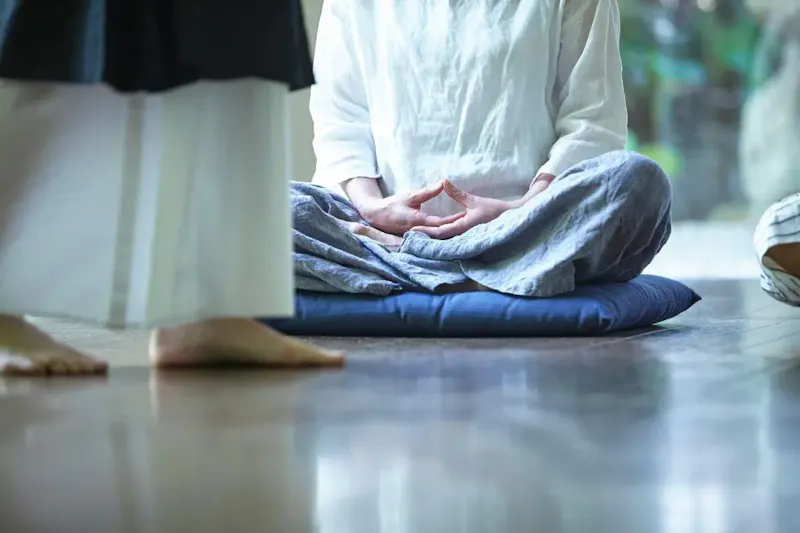
Deepen Your Inner Peace and Insight with a Zen Meditation Session!

Daibunehakusan Entsu Shofukuji Temple Deepen Your Inner Peace and Insight with a Zen Meditation Session!
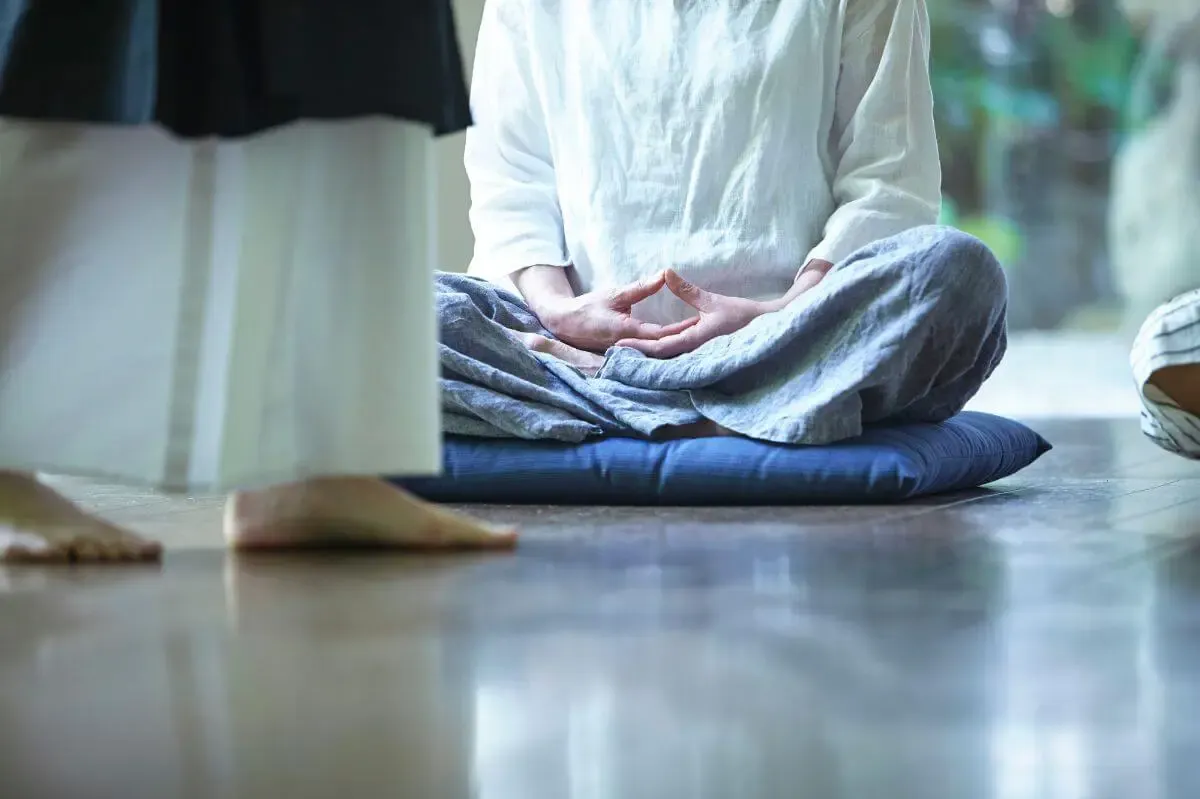
At Enpukuji Temple on Oume Nekosuka Mountain, regular Zen meditation sessions are held. These sessions offer an opportunity to step away from the hustle and bustle of daily life and clear your mind and body. Through meditation, participants seek to engage in a dialogue with themselves and encounter their true selves. During meditation, participants focus on their posture, breathing, and mental stability. They let go of any distractions from their surroundings and simply sit, accepting any thoughts or emotions that come to mind and freeing themselves from attachments to the past or future. In this state, they forget themselves and concentrate on the meditation as a pure existence. The Saturday Zen meditation session, in particular, is held at the temple and takes place on the second and fourth Saturday of every month. The participation fee is 500 yen per person, and reception begins at 1:30 pm, with the meditation session taking place from 2 pm to 4 pm. The participating monks, known as yakuryo, are responsible for assisting and guiding participants. Zen meditation sessions are a great opportunity for those who are interested in practicing meditation seriously or in Zen or Buddhism. First-timers or those who want to participate casually are also welcome. Through meditation, you can deepen your inner peace and insight!
ポイント 5

Experience the Importance of Food with Shojin Ryori!

Daibunehakusan Entsu Shofukuji Temple Experience the Importance of Food with Shojin Ryori!
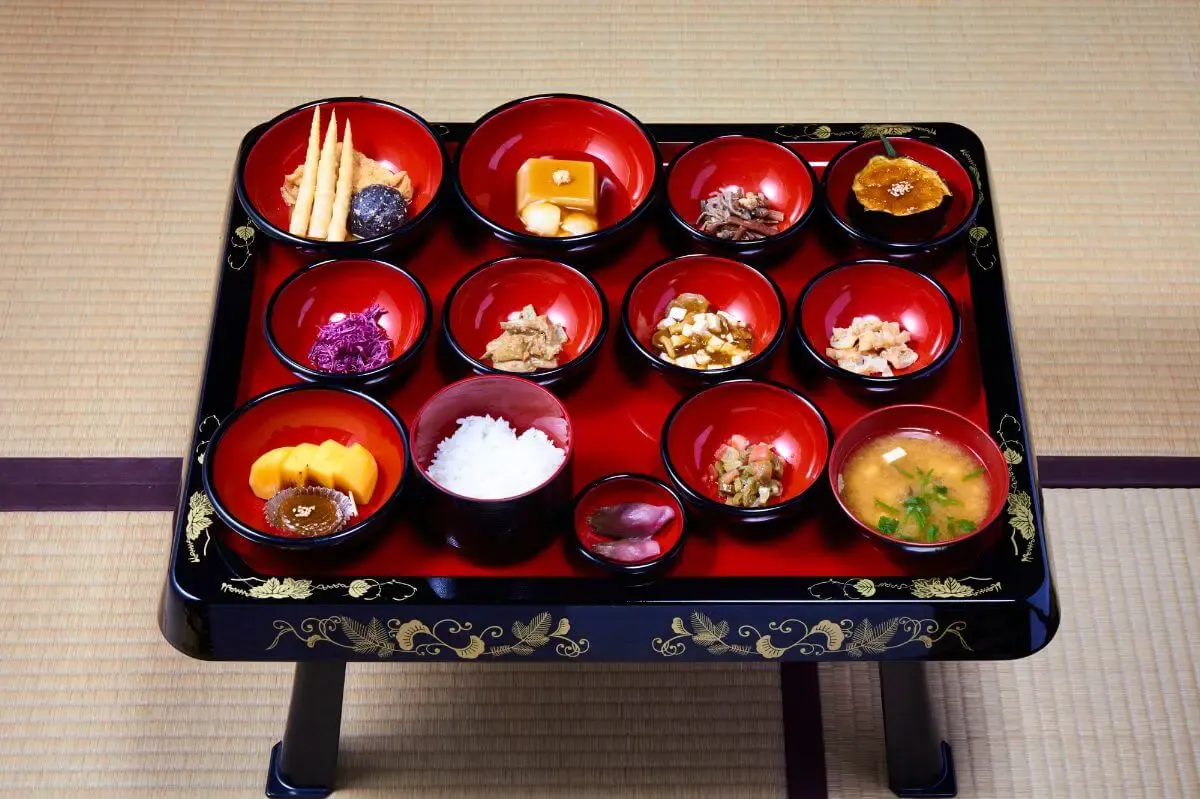
At Daibunenka Mountain Entsuji Temple, shojin ryori (Buddhist vegetarian cuisine) is served. While this mountain temple may not offer luxurious ingredients or visually stunning dishes, they provide carefully crafted dishes using seasonal ingredients without wasting any food, under the guidance of Head Priest Tenzo and practicing monks. Shojin ryori is based on Buddhist precepts and does not use animal products, instead highlighting the natural flavors of the ingredients. The dishes are made with sincerity and cooked carefully over time, offering a well-balanced meal that brings out the natural deliciousness of the ingredients. The course meal for shojin ryori is 5,000 yen per person (including shojin ryori and admission fee) and requires advanced reservation. Please call to check availability when making a reservation. Through shojin ryori, you can purify your mind and body and enjoy your meal as part of your spiritual practice.
もっとみる

Sightseeing

Daibunehakusan Entsu Shofukuji Temple A Serene Temple Where You Can Learn the Teachings of Zen
A Serene Temple Where You Can Learn the Teachings of Zen
The Daiohnenkazan Entsuushoubohji Temple, also known as the "Inner Temple of the Correct Law," is a Zen temple founded by the Zen master Mujuryu Shouji in 1348. It was once the third head temple of the Soto sect, along with Eiheiji Temple (Fukui Prefecture) and Souji Temple (Yokohama City). The temple grounds are surrounded by a solemn atmosphere, with a quiet air that seems to flow slowly. Notable features include a serpentinite stone staircase and a thatched roof on the approximately 720-tsubo main hall, the largest in Japan. The main hall, the storehouse, and the soumon gate have been designated as important cultural properties of the country. At Daiohnenkazan Entsuushoubohji Temple, you can participate in experiences such as zazen meditation and shoujin cuisine, providing a valuable opportunity to deepen your spiritual training and self-reflection at a Zen temple. For visitors, it is a place where you can learn the teachings of Zen in a serene environment and spend time exploring yourself.

Access

Take the Iwate-ken Kotsu Bus to Shofukuji Temple!
If you're accessing Daibunenkyozan Engaku Shofukuji Temple by public transportation, head to the "Chuo-dori 2-chome" bus stop, a 2-minute walk from JR Mizusawa Station, and take the Iwate-ken Kotsu Bus bound for Shofukuji Temple. After a 23-minute bus ride, get off at the "Shofukuji" bus stop and you'll arrive at the temple in no time. If you're using your own car, take National Route 4 and Route 343 via the Hiraizumi-Maesawa Interchange on the Tohoku Expressway, which is about an 8km, roughly 20-minute drive.

基本情報

住所 129 Shofukuji, Kuroishi-cho, Mizusawa, Oshu-shi, Iwate 023-0101
営業時間

N/A

TEL 0197-26-4041
Webサイト https://shoboji.net/
一緒に回りたい

おすすめスポット

平安時代の建物を再現した歴史テーマパーク
歴史公園えさし藤原の郷
岩手県
3.9
アクティビティレジャー紅葉花見子供と楽しむ歴史
茅葺民家を移築復元した野外博物館!
みちのく民俗村
岩手県
4.2
歴史文化
東北有数の桜の名所として有名な都市公園!
北上市立公園展勝地
岩手県
4.1
花見自然

周辺のホテル

cafe&GuestHouse kaziya
岩手県
4.7
¥3,630~/人
Kajiya Bekkan Ramakkoro Yamenekoyado
岩手県
3.5
¥3,850~/人
岩手県
¥6,600~/人
岩手県
¥4,200~/人
岩手県
3.4
¥3,500~/人
岩手県
4.6
¥3,000~/人
もっとみる

周辺の体験

【岩手・一関・平泉・手びねり体験】家族や友達と楽しめる陶芸体験!茶碗やお皿など1~2個
岩手県
¥2,000~/人
【岩手・一関・平泉・絵付け体験】パステルで簡単・かわいい!素焼きのお皿に陶芸絵付け体験!
岩手県
¥2,000~/人
【岩手・一関で宙吹き体験】世界に1つだけのオリジナルガラス作りを楽しもう!
岩手県
¥2,200~/人
【岩手・夏油高原・SUP】神秘的なエメラルドグリーンの湖を探訪!秘境SUPツアー
岩手県
¥6,600~/人
【岩手・田瀬湖・カヤック】小学1年生から体験可能!2人乗りカヤック体験
岩手県
¥6,600~/人
【10%割引】岩手サファリパーク クーポン(入園料)
岩手県
¥2,430~/人
もっとみる

周辺の飲食店

食べログ
江刺ふるさと市場
~¥999
-
3.1
(食べログの評価)
食べログ
カフェ&リビング ウチダ
¥1,000~¥1,999
-
3.1
(食べログの評価)
食べログ
吉兆寿司
-
-
3.1
(食べログの評価)
食べログ
力食堂
~¥999
-
3
(食べログの評価)
食べログ
日本料理 新茶家
¥10,000~¥14,999
¥20,000~¥29,999
4.2
(食べログの評価)
食べログ
えぴや
-
-
3
(食べログの評価)
このスポットの周辺情報
北上・江刺
岩手県
4
アプリアイコン AIでかんたん!旅行プランが作れる
App Storeでダウンロード Google Playでダウンロード
  • 利用規約
  • プライバシーポリシー
  • 会社情報
AVA Travelのロゴ
ログイン
会員登録
  • 北海道
  • 青森県
  • 秋田県
  • 岩手県
  • 宮城県
  • 山形県
  • 福島県
  • 栃木県
  • 群馬県
  • 茨城県
  • 埼玉県
  • 神奈川県
  • 千葉県
  • 東京都
  • 山梨県
  • 新潟県
  • 長野県
  • 静岡県
  • 愛知県
  • 岐阜県
  • 三重県
  • 石川県
  • 富山県
  • 福井県
  • 兵庫県
  • 和歌山県
  • 奈良県
  • 京都府
  • 滋賀県
  • 大阪府
  • 岡山県
  • 広島県
  • 山口県
  • 鳥取県
  • 島根県
  • 愛媛県
  • 香川県
  • 高知県
  • 徳島県
  • 大分県
  • 長崎県
  • 福岡県
  • 熊本県
  • 宮崎県
  • 佐賀県
  • 鹿児島県
  • 沖縄県
  • 札幌
  • 小樽・余市・ニセコ
  • 函館
  • 弘前
  • 十和田・奥入瀬
  • 青森市周辺
  • 津軽
  • 盛岡
  • 宮城蔵王・白石
  • 仙台
  • 山形・蔵王・天童
  • 会津・喜多方
  • 宇都宮
  • 那須・塩原
  • 日光・鬼怒川
  • 高崎・前橋
  • 渋川・伊香保
  • 草津・志賀高原
  • 尾瀬・沼田
  • 富岡・下仁田
  • 川越・東松山
  • 大宮・浦和・鴻巣
  • 秩父・長瀞
  • 横浜
  • 鎌倉
  • 元町・中華街
  • 江ノ島・湘南
  • 箱根
  • 館山・南房総
  • 九十九里
  • 千葉・浦安・幕張
  • 木更津・君津
  • 伊豆七島・小笠原
  • 渋谷・原宿・表参道
  • 新宿
  • 浅草・スカイツリー
  • 河口湖・富士吉田
  • 湯沢・津南・十日町
  • 長岡・三条・柏崎
  • 軽井沢
  • 松本・上高地・塩尻
  • 野沢温泉・志賀高原
  • 伊豆
  • 御殿場・富士・富士宮
  • 熱海
  • 名古屋
  • 下呂(下呂温泉)
  • 飛騨・高山・白川郷
  • 伊勢・志摩・鳥羽
  • 金沢
  • 神戸・有馬(有馬温泉)
  • 淡路島
  • 姫路・赤穂
  • 奈良・天理・法隆寺
  • 宇治
  • 祇園・東山
  • 京都駅・河原町
  • 伏見・山科
  • 嵐山・高雄
  • 長浜・米原
  • 彦根・近江八幡
  • 心斎橋・難波・天王寺
  • 大阪ベイエリア
  • 岡山・牛窓・備前
  • 倉敷
  • 蒜山・湯原温泉
  • 宮島・広島市
  • 竹原・三原
  • 尾道
  • 下関・角島
  • 出雲・石見銀山
  • 宇和島・大洲
  • 今治
  • 松山・道後
  • 新居浜・西条・石鎚山
  • しまなみ
  • 四万十・足摺
  • 大歩危・小歩危・祖谷渓
  • 鳴門・徳島市周辺
  • 大分市・佐伯・臼杵
  • 湯布院
  • 別府
  • 壱岐・対馬・五島列島
  • 糸島
  • 博多・天神・太宰府
  • 北九州・門司・小倉
  • 阿蘇・黒川(黒川温泉)
  • 熊本・山鹿・菊池
  • 宮崎・都城・日南
  • 高千穂・延岡・日向
  • 奄美・与論
  • 屋久島
  • 指宿・知覧・枕崎
  • 鹿児島・桜島・霧島
  • 恩納村・沖縄中部
  • 久米島・慶良間
  • 宮古島
  • 西表島・竹富島・小浜島
  • 石垣島
  • 那覇・沖縄南部
  • ウトロ温泉
  • 十勝川温泉
  • 定山渓温泉
  • 洞爺湖温泉
  • 登別温泉
  • 湯川温泉
  • 酸ヶ湯温泉
  • 乳頭温泉
  • 東山温泉
  • 塩原温泉
  • 鬼怒川温泉
  • 日光温泉
  • 湯河原温泉
  • 箱根湯本温泉
  • 大涌谷温泉
  • 下呂温泉
  • 鈍川温泉
  • 嬉野温泉
  • 湯布院温泉
  • 別府温泉
  • 黒川温泉
  • 地獄温泉
  • 指宿温泉

Copyright (c) AVA Intelligence Inc. All Rights Reserved.